
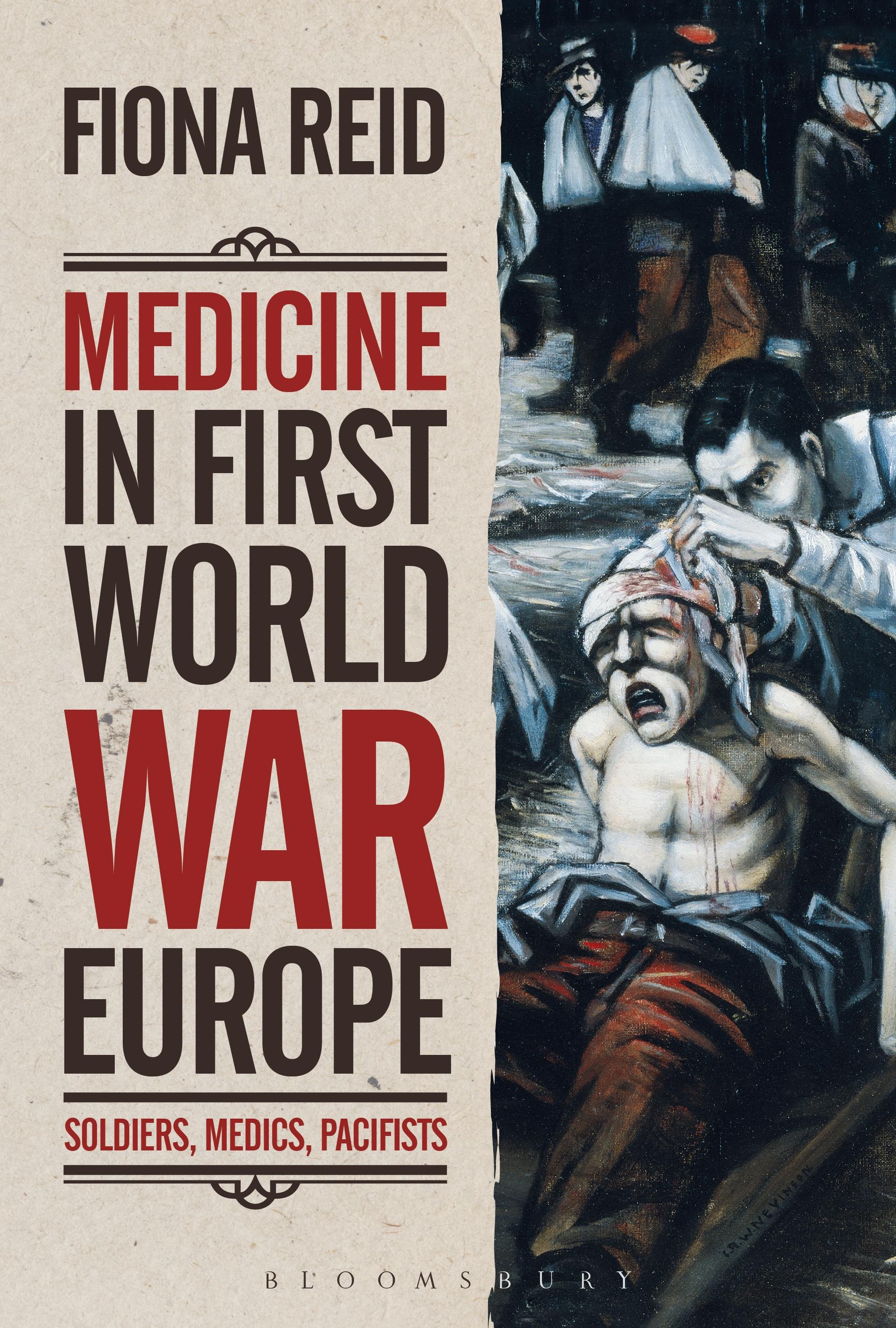
The casualty rates of the First World War were unprecedented: approximately 10 million combatants were wounded from Britain, France and Germany alone. In consequence, military-medical services expanded and the war ensured that medical professionals became firmly embedded within the armed services. In a situation of total war civilians on the home front came into more contact than before with medical professionals, and even pacifists played a significant medical role.
Medicine in First World War Europe re-visits the casualty clearing stations and the hospitals of the First World War, and tells the stories of those who were most directly involved: doctors, nurses, wounded men and their families. Fiona Reid explains how military medicine interacts with the concerns, the cultures and the behaviours of the civilian world, treating the history of wartime military medicine as an integral part of the wider social and cultural history of the First World War.
Medicine in First World War Europe re-visits the casualty clearing stations and the hospitals of the First World War, and tells the stories of those who were most directly involved: doctors, nurses, wounded men and their families. Fiona Reid explains how military medicine interacts with the concerns, the cultures and the behaviours of the civilian world, treating the history of wartime military medicine as an integral part of the wider social and cultural history of the First World War.
Paga facilmente con carta, Klarna, Apple Pay o Google Pay. Non sei soddisfatto? Hai sempre 14 giorni per il rimborso. Leggi di più nei nostri termini. Per qualsiasi domanda, scrivici a hello@memmo.org.
Memmo rende lo studio più facile, ovunque tu sia nel mondo. Qui trovi i tuoi libri di testo e strumenti di studio intelligenti, tutto in un unico posto: riassunti, quiz, podcast e flashcard. E poi c'è Ted, il tuo compagno di studio che risponde a ogni tua domanda. Oltre 50.000 studenti studiano già qui: è stato creato per aiutarti a imparare più velocemente e a stressarti meno.