
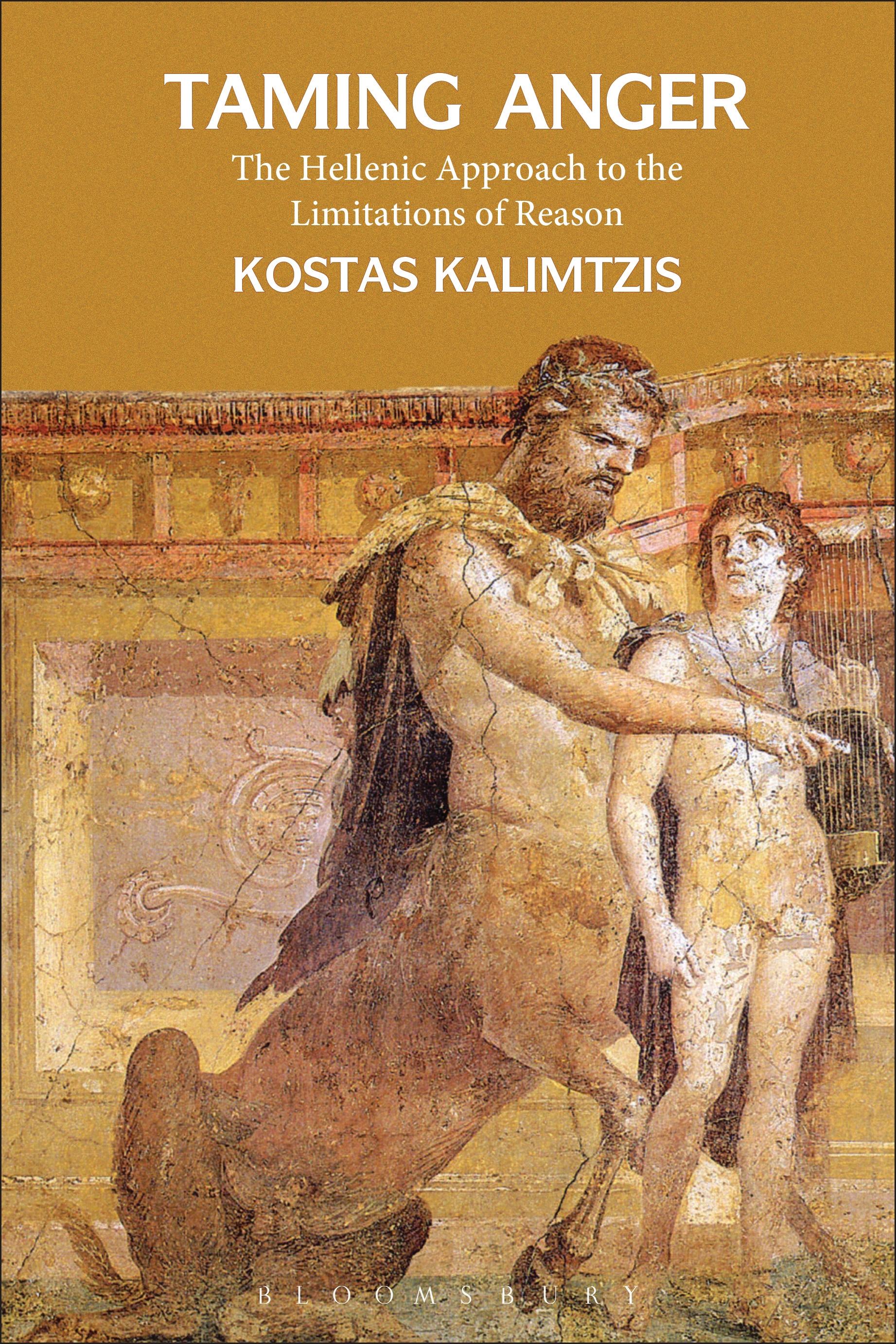
From Homer to Aristotle, understanding anger and harnessing its power was at the core of Hellenic civilization. Homer created the framework for philosophical inquiries into anger, one that persisted until it was overturned by Stoicism and Christianity. Plato saw anger as the guardian of justice and Aristotle conceived of it as bound to friendship. Yet both showed that anger can become a guardian of injustice and a defender of our psychological abnormalities. Plato claimed that reason is a tertiary factor in controlling anger and Aristotle argued that non-cognitive powers can issue commands for anger's arousal - findings that shed light as to why cognitive therapeutic approaches often prove to be ineffective. Both proposed nurturing the thumos, the receptacle of anger and the seat of self-esteem. Aristotle's view of public anger as an early warning sign of social dissolution continues to be relevant to this day. In this carefully argued study, Kostas Kalimtzis examines the theories of anger in the context of the ancient world with an eye to their implications for the modern predicament.
Paga facilmente con carta, Klarna, Apple Pay o Google Pay. Non sei soddisfatto? Hai sempre 14 giorni per il rimborso. Leggi di più nei nostri termini. Per qualsiasi domanda, scrivici a hello@memmo.org.
Memmo rende lo studio più facile, ovunque tu sia nel mondo. Qui trovi i tuoi libri di testo e strumenti di studio intelligenti, tutto in un unico posto: riassunti, quiz, podcast e flashcard. E poi c'è Ted, il tuo compagno di studio che risponde a ogni tua domanda. Oltre 50.000 studenti studiano già qui: è stato creato per aiutarti a imparare più velocemente e a stressarti meno.