
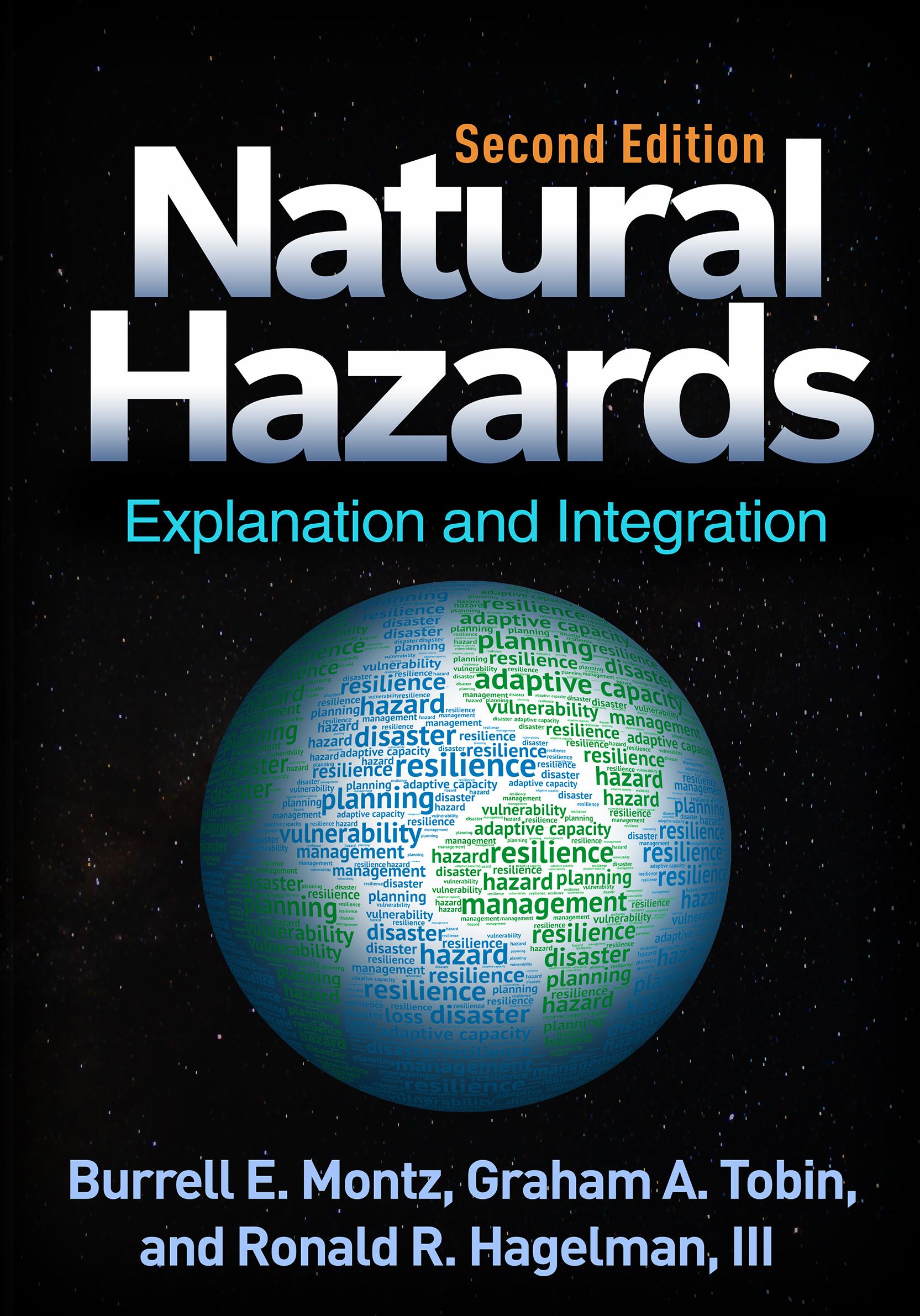
What can we learn from the spatial patterns of disasters? What human and structural factors need to be addressed to explain hazard vulnerability? As populations grow and the climate warms, how can natural hazards be mitigated? Thoroughly revised and updated, and now with a more global perspective, the second edition of this accessible text provides an integrated framework for understanding and managing natural hazards. Numerous case studies from around the world illustrate the complexities of extreme geophysical events and highlight their physical, social, political, and economic dimensions. The text identifies essential principles for tackling the fundamental causes of differential vulnerabilities that perpetuate human distress, and for promoting recovery and resilience.
New to This Edition
*New frameworks for understanding human resilience and adaptive capacity in recovery, dynamics of risk and uncertainty, and more.
*Chapter on spatial and temporal aspects of hazards.
*Discussions of cutting-edge topics, such as chronic disasters, controversies in international aid, and how hazards affect regions differentially.
*Many new case studies, including Hurricanes Katrina and Charley, Superstorm Sandy, the 2011 Japan tsunami, Ecuador's chronic volcanic hazard, and others.
*Reflects 20 years of research advances across the physical and social sciences, development trends, new technologies, and ongoing global climate change.
New to This Edition
*New frameworks for understanding human resilience and adaptive capacity in recovery, dynamics of risk and uncertainty, and more.
*Chapter on spatial and temporal aspects of hazards.
*Discussions of cutting-edge topics, such as chronic disasters, controversies in international aid, and how hazards affect regions differentially.
*Many new case studies, including Hurricanes Katrina and Charley, Superstorm Sandy, the 2011 Japan tsunami, Ecuador's chronic volcanic hazard, and others.
*Reflects 20 years of research advances across the physical and social sciences, development trends, new technologies, and ongoing global climate change.
Paga facilmente con carta, Klarna, Apple Pay o Google Pay. Non sei soddisfatto? Hai sempre 14 giorni per il rimborso. Leggi di più nei nostri termini. Per qualsiasi domanda, scrivici a hello@memmo.org.
Memmo rende lo studio più facile, ovunque tu sia nel mondo. Qui trovi i tuoi libri di testo e strumenti di studio intelligenti, tutto in un unico posto: riassunti, quiz, podcast e flashcard. E poi c'è Ted, il tuo compagno di studio che risponde a ogni tua domanda. Oltre 50.000 studenti studiano già qui: è stato creato per aiutarti a imparare più velocemente e a stressarti meno.
Potrebbe interessarti anche
Acquista il libro0