
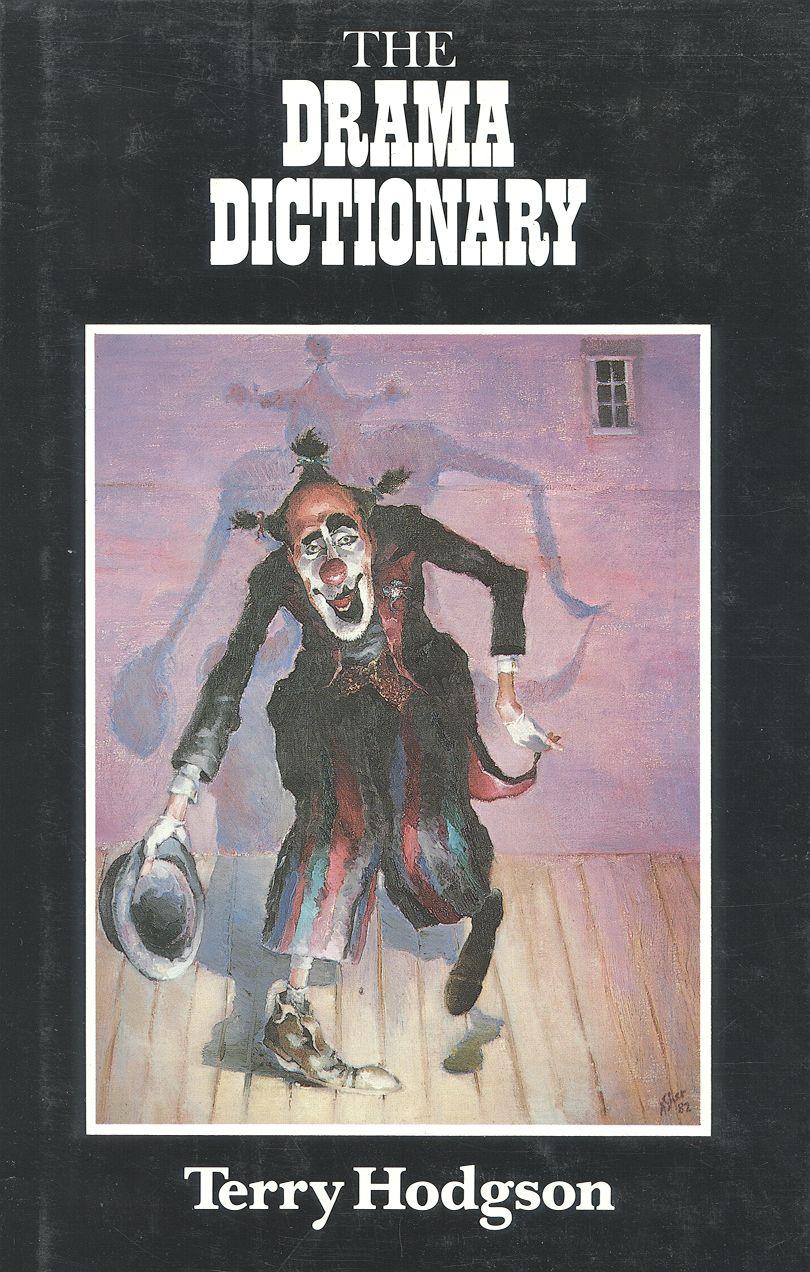
This comprehensive reference work is designed to be a single source to which readers may turn for guidance on dramatic theory and practice. It therefore concentrates on critical and technical concepts and terms rather than on theatre history or biography.
The book contains some 1300 entries varying in length from a few words to several hundred. The terms included relate to the forms of drama (e.g. epic, mime, farce, comedy of manners, tragi-comedy, etc.); to different kinds of stage (thrust, picture-frame, arena, etc.); to technical stage terms (tabs, proscenium arch, sightlines, etc.); to acting terms, including colloquialisms (fluff, corpse-as well as duologue, soliloquy, cross below, upstage, etc.) They also include the critical terms of important theoreticians (e.g. superobjective, magic 'if', throughline, alienation, montage) and the obvious foreign terms (hamartia, peripeteia, etc.).
Dramatic movements and styles are described (naturalism, expressionism, neo-classical, Jacobean, etc.), together with terms relating to costume (e.g. buskins), character types (of, say, the Commedia dell'Arte) and dramatic structure (climax, curtain, pace and tempo, episode, chorus, etc.).
The entries are fully cross-referenced, and are supported by ample suggestions for further reading and a selection of line drawings illustrating key points in the text.
The book contains some 1300 entries varying in length from a few words to several hundred. The terms included relate to the forms of drama (e.g. epic, mime, farce, comedy of manners, tragi-comedy, etc.); to different kinds of stage (thrust, picture-frame, arena, etc.); to technical stage terms (tabs, proscenium arch, sightlines, etc.); to acting terms, including colloquialisms (fluff, corpse-as well as duologue, soliloquy, cross below, upstage, etc.) They also include the critical terms of important theoreticians (e.g. superobjective, magic 'if', throughline, alienation, montage) and the obvious foreign terms (hamartia, peripeteia, etc.).
Dramatic movements and styles are described (naturalism, expressionism, neo-classical, Jacobean, etc.), together with terms relating to costume (e.g. buskins), character types (of, say, the Commedia dell'Arte) and dramatic structure (climax, curtain, pace and tempo, episode, chorus, etc.).
The entries are fully cross-referenced, and are supported by ample suggestions for further reading and a selection of line drawings illustrating key points in the text.
Paga facilmente con carta, Klarna, Apple Pay o Google Pay. Non sei soddisfatto? Hai sempre 14 giorni per il rimborso. Leggi di più nei nostri termini. Per qualsiasi domanda, scrivici a hello@memmo.org.
Memmo rende lo studio più facile, ovunque tu sia nel mondo. Qui trovi i tuoi libri di testo e strumenti di studio intelligenti, tutto in un unico posto: riassunti, quiz, podcast e flashcard. E poi c'è Ted, il tuo compagno di studio che risponde a ogni tua domanda. Oltre 50.000 studenti studiano già qui: è stato creato per aiutarti a imparare più velocemente e a stressarti meno.