
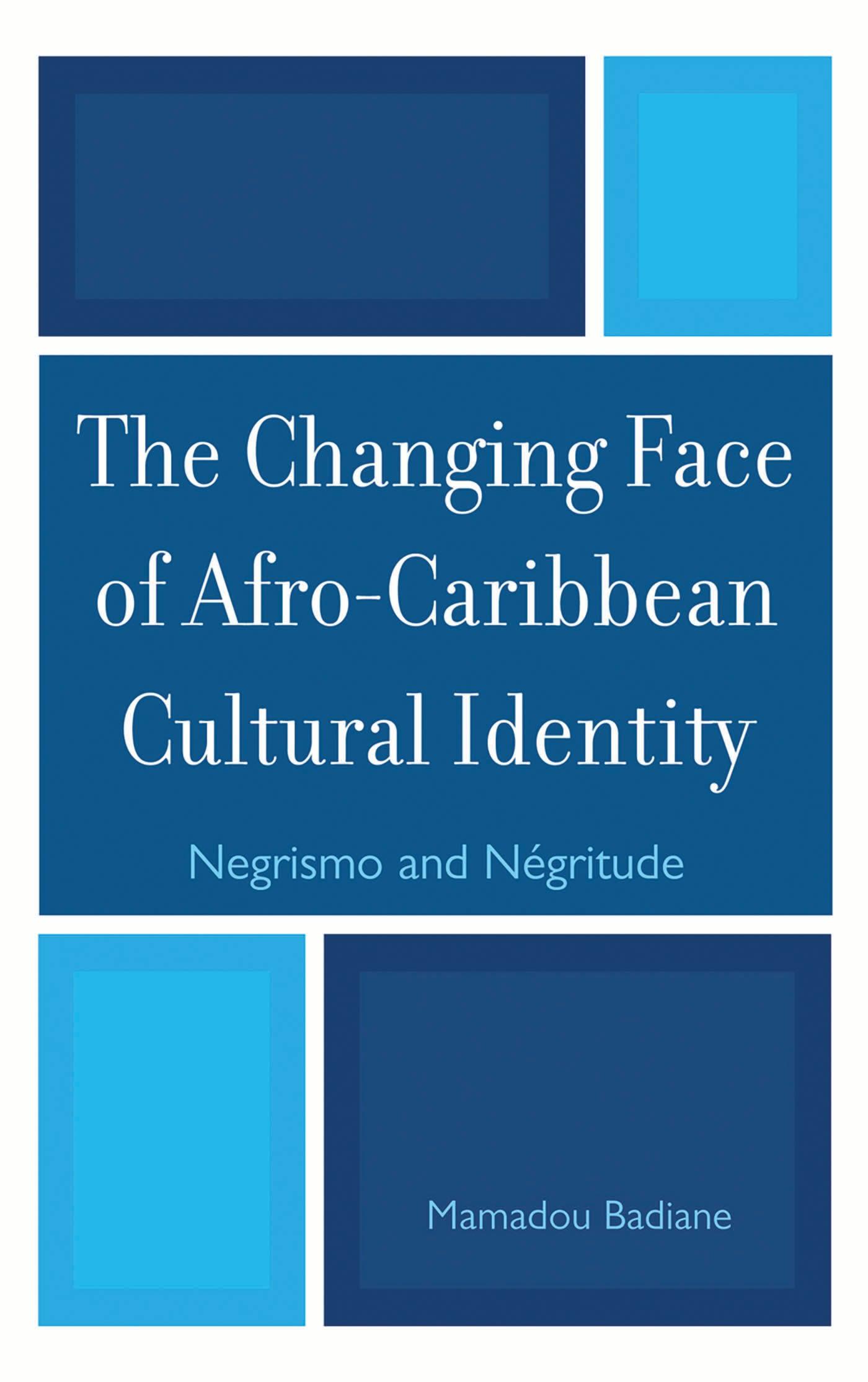
The Changing Face of Afro-Caribbean Cultural Identity: Negrismo and Négritude looks primarily at Negrismo and Négritude, two literary movements that appeared in the Francophone and Hispanic Caribbean as well as in Africa at the beginning of the twentieth century. It draws on speeches and manifestos, and use cultural studies to contextualize ideas. It poses the bases of both movements in the Caribbean and in Africa, and lays out the literary antecedents that influenced or shaped both movements.
This book examines the search for cultural identity through the poetry of Nicolas Guillén, Manuel del Cabral, and Palés Matos. This search is extended to the Négritude movement through the poems of Léopold Senghor, Léon-Gontran Damas, and Aimé Césaire. Mamadou Badiane further discusses the under-represented Négritude women writers who were silenced by their male counterparts during the first half of the twentieth century.
Ultimately, this is a book on Caribbean cultural identity that shows it in a slippery and fluctuating zone. By demonstrating that while the founders of the Négritude movement both identified themselves as descendants of Africans and were proud to proclaim their African heritage, the members of the Antillanité and Créolité movements see themselves as a product of miscegenation between different cultures.
This book examines the search for cultural identity through the poetry of Nicolas Guillén, Manuel del Cabral, and Palés Matos. This search is extended to the Négritude movement through the poems of Léopold Senghor, Léon-Gontran Damas, and Aimé Césaire. Mamadou Badiane further discusses the under-represented Négritude women writers who were silenced by their male counterparts during the first half of the twentieth century.
Ultimately, this is a book on Caribbean cultural identity that shows it in a slippery and fluctuating zone. By demonstrating that while the founders of the Négritude movement both identified themselves as descendants of Africans and were proud to proclaim their African heritage, the members of the Antillanité and Créolité movements see themselves as a product of miscegenation between different cultures.
Paga facilmente con carta, Klarna, Apple Pay o Google Pay. Non sei soddisfatto? Hai sempre 14 giorni per il rimborso. Leggi di più nei nostri termini. Per qualsiasi domanda, scrivici a hello@memmo.org.
Memmo rende lo studio più facile, ovunque tu sia nel mondo. Qui trovi i tuoi libri di testo e strumenti di studio intelligenti, tutto in un unico posto: riassunti, quiz, podcast e flashcard. E poi c'è Ted, il tuo compagno di studio che risponde a ogni tua domanda. Oltre 50.000 studenti studiano già qui: è stato creato per aiutarti a imparare più velocemente e a stressarti meno.