
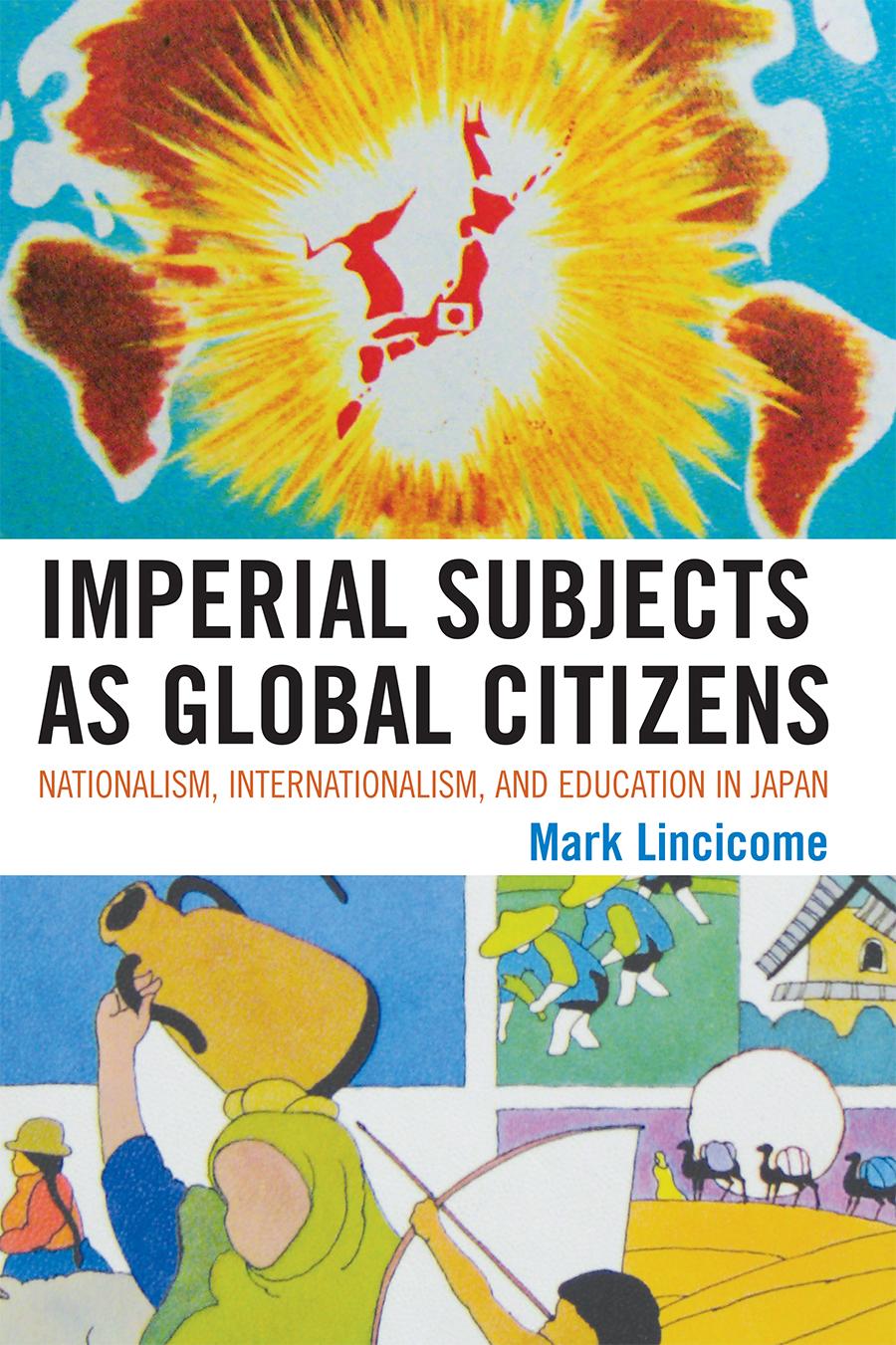
Lincicome offers a new perspective on Japanese educational debates and policy reforms that have taken place under the guise of internationalization since the mid-1980s. By contextualizing these developments within a historical framework spanning the entire twentieth century, he challenges the argument put forward by education officials, conservative politicians, and their supporters in the academy and the business world that history offers no guide for addressing the educational challenges that face contemporary Japan.
Combining diachronic and synchronic approaches, Lincicome analyzes repeated attempts throughout the twentieth century to “internationalize education” (/kyoiku no kokusaika/) in Japan. This comparison reveals important similarities that transcend educational policy to encompass Japanese conceptions of individual, national, and international identity; relations between the individual, the nation, the state, and the international community; and the type of education best suited to negotiating multiple identities among the next generation of Japanese subject-citizens.
Combining diachronic and synchronic approaches, Lincicome analyzes repeated attempts throughout the twentieth century to “internationalize education” (/kyoiku no kokusaika/) in Japan. This comparison reveals important similarities that transcend educational policy to encompass Japanese conceptions of individual, national, and international identity; relations between the individual, the nation, the state, and the international community; and the type of education best suited to negotiating multiple identities among the next generation of Japanese subject-citizens.
Paga facilmente con carta, Klarna, Apple Pay o Google Pay. Non sei soddisfatto? Hai sempre 14 giorni per il rimborso. Leggi di più nei nostri termini. Per qualsiasi domanda, scrivici a hello@memmo.org.
Memmo rende lo studio più facile, ovunque tu sia nel mondo. Qui trovi i tuoi libri di testo e strumenti di studio intelligenti, tutto in un unico posto: riassunti, quiz, podcast e flashcard. E poi c'è Ted, il tuo compagno di studio che risponde a ogni tua domanda. Oltre 50.000 studenti studiano già qui: è stato creato per aiutarti a imparare più velocemente e a stressarti meno.