
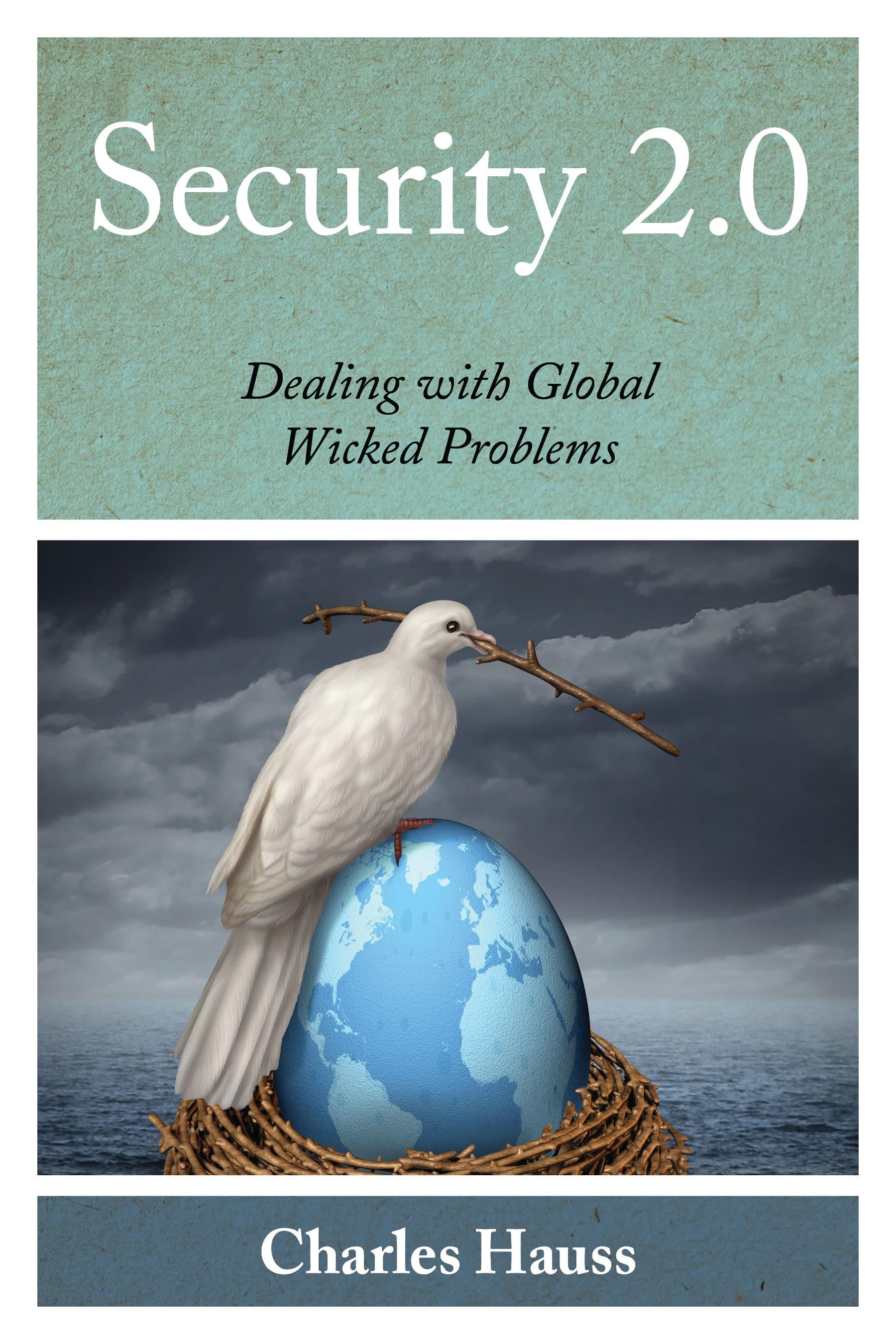
Today, international security issues are slowly being reconsidered through the lens of human security, which refers to a combination of political, economic, social, nutritional, environmental, physical health, and personal safety issues. When first mentioned in 1994, the concept of human security represented a significant first step in understanding that security dilemmas could no longer be seen as purely geopolitical phenomena that revolve around the nation-state.
This book explains the progress made toward human security since then and the steps that remain to be taken to achieve it fully. It begins by addressing how the nation-state is both the source and the solution of security problems in the world before demonstrating how the meaning of security itself is being reconsidered and traditional approaches are being challenged. Building on the concept of human security, the book looks at how we are slowly moving toward large-scale political and social change. It argues that it is time for a “security 2.0” approach, different from the traditional models of national security.
Thus Security 2.0 addresses new challenges and their political responses, pointing toward alternatives to what is referred to as “permanent war.” It highlights such themes as cooperation, the multi-dimensionality of security issues, and the continuing pressures towards democratization, global markets, and multilevel governance and how these contribute today to make a safer world. Further, it shows how environmental threats, global corporations, identity issues, and international regimes such as the EU, are also fostering a fundamental rethinking of the concept of security. Including a variety of perspectives, and written in a jargon-free, accessible manner, the work will provide students with new insights on conflict processes and international security.
This book explains the progress made toward human security since then and the steps that remain to be taken to achieve it fully. It begins by addressing how the nation-state is both the source and the solution of security problems in the world before demonstrating how the meaning of security itself is being reconsidered and traditional approaches are being challenged. Building on the concept of human security, the book looks at how we are slowly moving toward large-scale political and social change. It argues that it is time for a “security 2.0” approach, different from the traditional models of national security.
Thus Security 2.0 addresses new challenges and their political responses, pointing toward alternatives to what is referred to as “permanent war.” It highlights such themes as cooperation, the multi-dimensionality of security issues, and the continuing pressures towards democratization, global markets, and multilevel governance and how these contribute today to make a safer world. Further, it shows how environmental threats, global corporations, identity issues, and international regimes such as the EU, are also fostering a fundamental rethinking of the concept of security. Including a variety of perspectives, and written in a jargon-free, accessible manner, the work will provide students with new insights on conflict processes and international security.
Paga facilmente con carta, Klarna, Apple Pay o Google Pay. Non sei soddisfatto? Hai sempre 14 giorni per il rimborso. Leggi di più nei nostri termini. Per qualsiasi domanda, scrivici a hello@memmo.org.
Memmo rende lo studio più facile, ovunque tu sia nel mondo. Qui trovi i tuoi libri di testo e strumenti di studio intelligenti, tutto in un unico posto: riassunti, quiz, podcast e flashcard. E poi c'è Ted, il tuo compagno di studio che risponde a ogni tua domanda. Oltre 50.000 studenti studiano già qui: è stato creato per aiutarti a imparare più velocemente e a stressarti meno.