
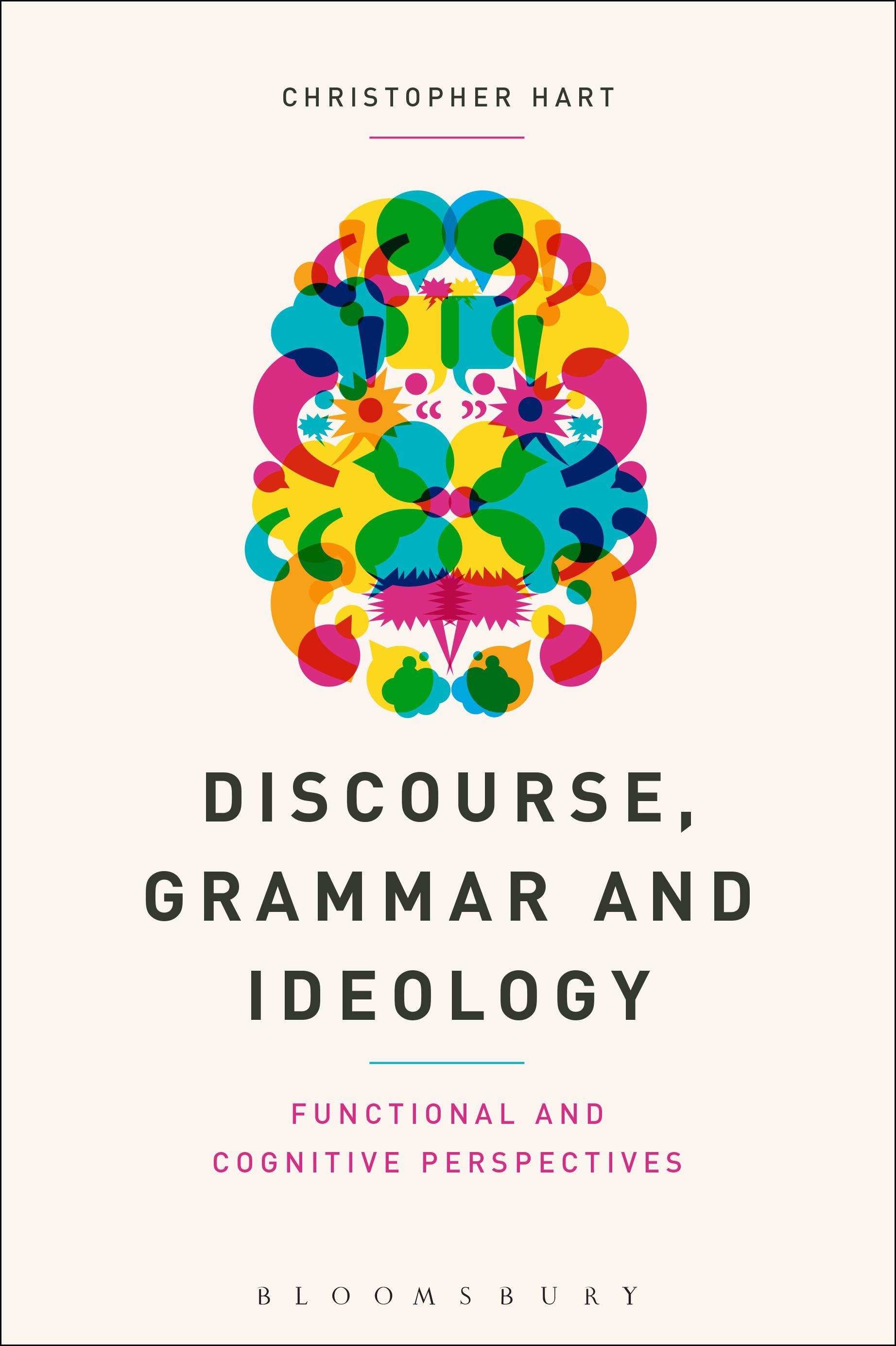
Researchers in critical discourse analysis (CDA) have often pointed to grammar as a locus of ideology in discourse. This book illustrates the role that grammars as models of language (and image) can play in revealing ideological properties of texts and discourse in social and political contexts.
The book takes the reader through three distinct grammatical frameworks – functional grammar, multimodal grammar and cognitive grammar. Using examples taken from a range of discourses relating to globalisation, including discourses of immigration, war, corporate practice and political protests, the book demonstrates the individual utility and the interconnectedness of these models inside CDA. A key argument advanced is that the cognitive processes necessarily involved in making sense of language are based in visual experience. This position offers new ways of understanding the ideological effects of grammatical choices in texts and suggests a reassessment of the relationship between linguistic and multimodal grammars in CDA.
The book will appeal to students and researchers interested in CDA and the relationship between discourse, cognition and social action.
The book takes the reader through three distinct grammatical frameworks – functional grammar, multimodal grammar and cognitive grammar. Using examples taken from a range of discourses relating to globalisation, including discourses of immigration, war, corporate practice and political protests, the book demonstrates the individual utility and the interconnectedness of these models inside CDA. A key argument advanced is that the cognitive processes necessarily involved in making sense of language are based in visual experience. This position offers new ways of understanding the ideological effects of grammatical choices in texts and suggests a reassessment of the relationship between linguistic and multimodal grammars in CDA.
The book will appeal to students and researchers interested in CDA and the relationship between discourse, cognition and social action.
Paga facilmente con carta, Klarna, Apple Pay o Google Pay. Non sei soddisfatto? Hai sempre 14 giorni per il rimborso. Leggi di più nei nostri termini. Per qualsiasi domanda, scrivici a hello@memmo.org.
Memmo rende lo studio più facile, ovunque tu sia nel mondo. Qui trovi i tuoi libri di testo e strumenti di studio intelligenti, tutto in un unico posto: riassunti, quiz, podcast e flashcard. E poi c'è Ted, il tuo compagno di studio che risponde a ogni tua domanda. Oltre 50.000 studenti studiano già qui: è stato creato per aiutarti a imparare più velocemente e a stressarti meno.