
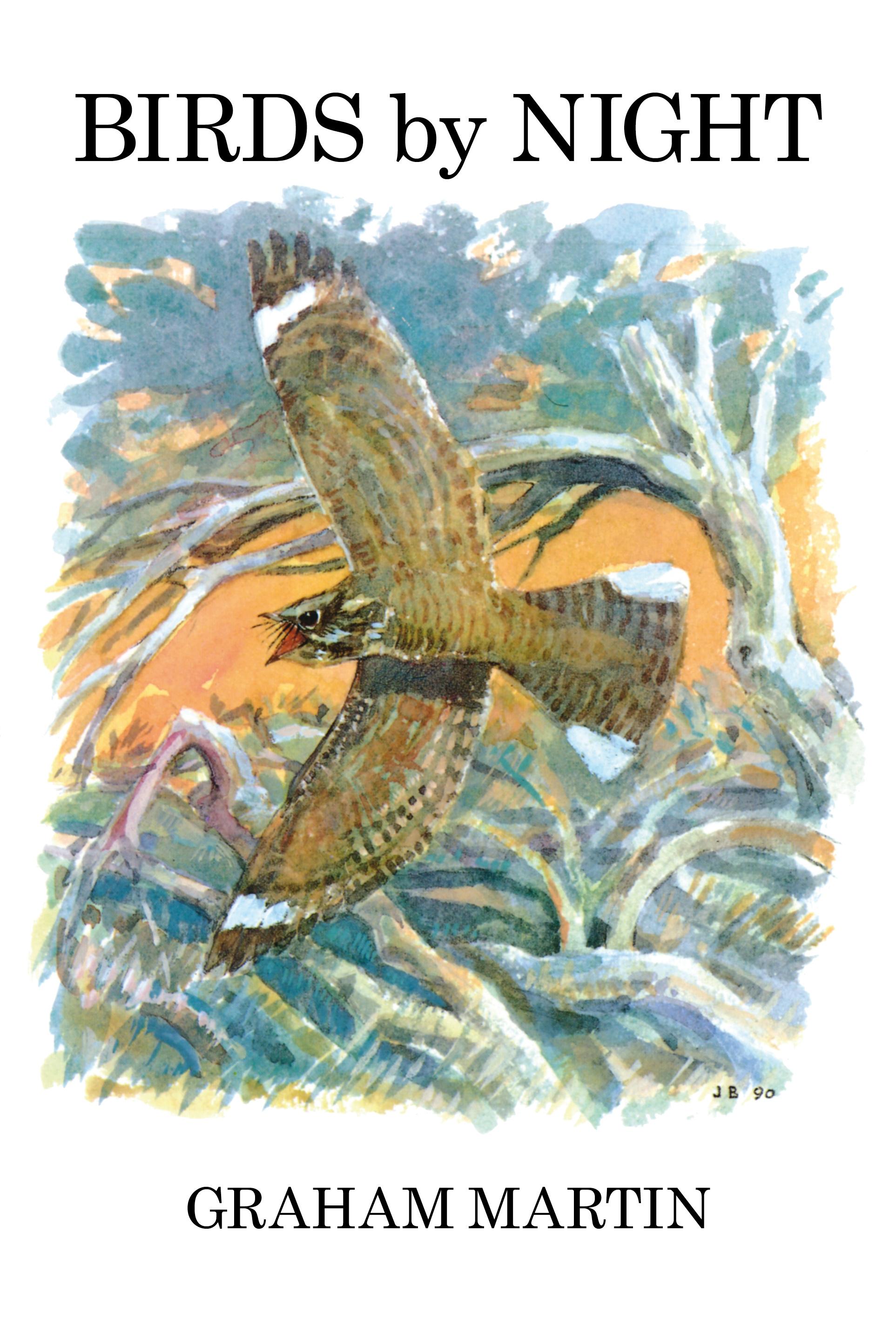
This book examines many examples of the nocturnal behaviour of birds.
For many people, watching and studying birds is exclusively a day time activity. However, for many birds twilight and night time are not a barrier to useful activity. It is true that very few birds are exclusively nocturnal, but many birds which are active by day also conduct limited, and often crucial, activities after dusk.
Examples range from the occasional night feeding of wildfowl and shorebirds to the night singing and night migration of certain passerines, and from the location of nest sites by sea birds to the nocturnal foraging of owls and nightjars. The special cases of flightless nocturnal birds and those birds which dwell in lightless caves are also considered.
Throughout, this survey considers not only what it is that birds do at night but also discusses how these nocturnal activities are possible. It brings together studies in field ornithology, sensory science, ecology and physics and involves comparisons of the sensory capacities of other animals, including man. It is shown how the senses of hearing, smell and touch, as well as vision, play a crucial role in many of the night time activities of birds.
However, these senses are not always adequate for fully explaining how nocturnal behaviours are executed. To achieve this we must look at the complex of relationships between behavioural and sensory adaptations and the particular environments which birds inhabit from dusk to dawn.
For many people, watching and studying birds is exclusively a day time activity. However, for many birds twilight and night time are not a barrier to useful activity. It is true that very few birds are exclusively nocturnal, but many birds which are active by day also conduct limited, and often crucial, activities after dusk.
Examples range from the occasional night feeding of wildfowl and shorebirds to the night singing and night migration of certain passerines, and from the location of nest sites by sea birds to the nocturnal foraging of owls and nightjars. The special cases of flightless nocturnal birds and those birds which dwell in lightless caves are also considered.
Throughout, this survey considers not only what it is that birds do at night but also discusses how these nocturnal activities are possible. It brings together studies in field ornithology, sensory science, ecology and physics and involves comparisons of the sensory capacities of other animals, including man. It is shown how the senses of hearing, smell and touch, as well as vision, play a crucial role in many of the night time activities of birds.
However, these senses are not always adequate for fully explaining how nocturnal behaviours are executed. To achieve this we must look at the complex of relationships between behavioural and sensory adaptations and the particular environments which birds inhabit from dusk to dawn.
Paga facilmente con carta, Klarna, Apple Pay o Google Pay. Non sei soddisfatto? Hai sempre 14 giorni per il rimborso. Leggi di più nei nostri termini. Per qualsiasi domanda, scrivici a hello@memmo.org.
Memmo rende lo studio più facile, ovunque tu sia nel mondo. Qui trovi i tuoi libri di testo e strumenti di studio intelligenti, tutto in un unico posto: riassunti, quiz, podcast e flashcard. E poi c'è Ted, il tuo compagno di studio che risponde a ogni tua domanda. Oltre 50.000 studenti studiano già qui: è stato creato per aiutarti a imparare più velocemente e a stressarti meno.