
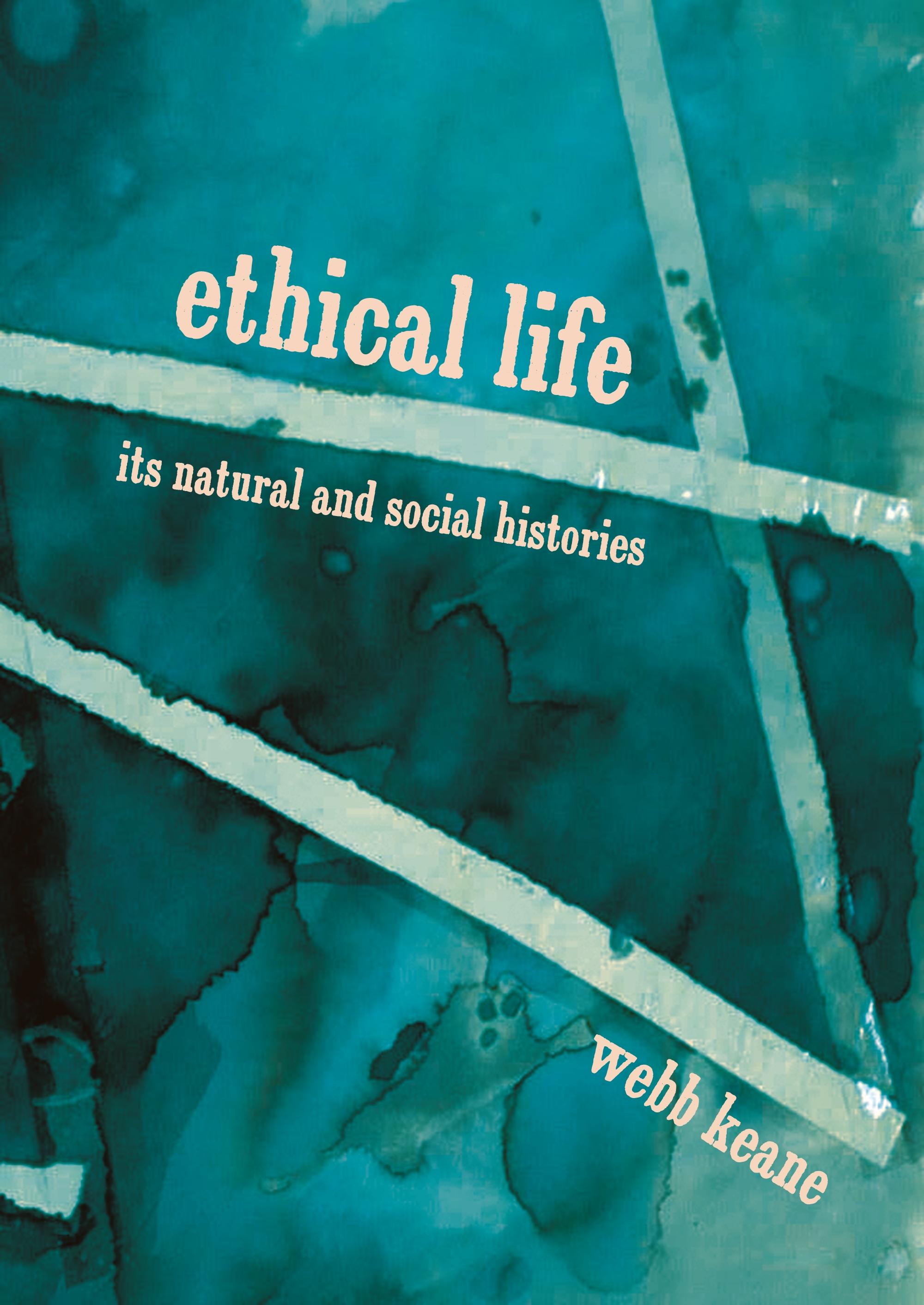
The human propensity to take an ethical stance toward oneself and others is found in every known society, yet we also know that values taken for granted in one society can contradict those in another. Does ethical life arise from human nature itself? Is it a universal human trait? Or is it a product of one's cultural and historical context? Webb Keane offers a new approach to the empirical study of ethical life that reconciles these questions, showing how ethics arise at the intersection of human biology and social dynamics.
Drawing on the latest findings in psychology, conversational interaction, ethnography, and history, Ethical Life takes readers from inner city America to Samoa and the Inuit Arctic to reveal how we are creatures of our biology as well as our history—and how our ethical lives are contingent on both. Keane looks at Melanesian theories of mind and the training of Buddhist monks, and discusses important social causes such as the British abolitionist movement and American feminism. He explores how styles of child rearing, notions of the person, and moral codes in different communities elaborate on certain basic human tendencies while suppressing or ignoring others.
Certain to provoke debate, Ethical Life presents an entirely new way of thinking about ethics, morals, and the factors that shape them.
Paga facilmente con carta, Klarna, Apple Pay o Google Pay. Non sei soddisfatto? Hai sempre 14 giorni per il rimborso. Leggi di più nei nostri termini. Per qualsiasi domanda, scrivici a hello@memmo.org.
Memmo rende lo studio più facile, ovunque tu sia nel mondo. Qui trovi i tuoi libri di testo e strumenti di studio intelligenti, tutto in un unico posto: riassunti, quiz, podcast e flashcard. E poi c'è Ted, il tuo compagno di studio che risponde a ogni tua domanda. Oltre 50.000 studenti studiano già qui: è stato creato per aiutarti a imparare più velocemente e a stressarti meno.