
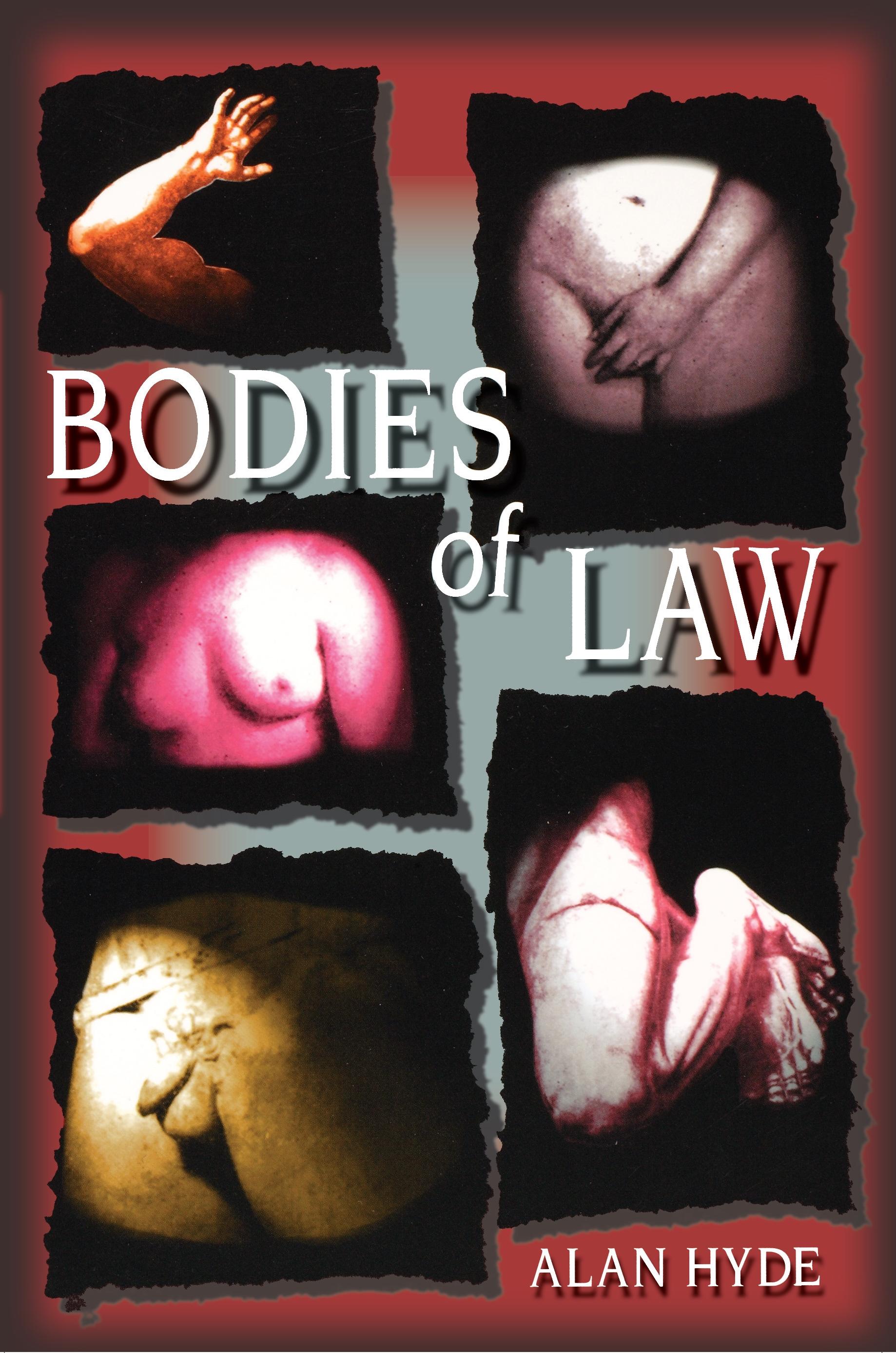
The most basic assertions about our bodies--that they are ours and distinguish us from each other, that they are private and have boundaries, races, and genders--are all political theories, constructed in legal texts for political purposes. So argues Alan Hyde in this first account of the body in legal thought. Hyde demonstrates that none of the constructions of the body in legal texts are universal truths that rest solely on body experience. Drawing on an array of fascinating case material, he shows that legal texts can construct all kinds of bodies, including those that are not owned at all, that are just like other bodies, that are public, open, and accessible to others. Further, the language, images, and metaphors of the body in legal texts can often convince us of positions to which we would not assent as a matter of political theory.
Through analysis of legal texts, Hyde shows, for example, how law's words construct the vagina as the most searchable body part; the penis as entirely under mental control; the bone marrow that need not be shared with a half-sibling who will die without it; and urine that must be surrendered for drug testing in rituals of national purification. This book will interest anyone concerned with cultural studies, gender studies, ethnic studies, and political theory, or anyone who has heard the phrase "body constructed in discourse" and wants to see, step by step, exactly how this is done.
Paga facilmente con carta, Klarna, Apple Pay o Google Pay. Non sei soddisfatto? Hai sempre 14 giorni per il rimborso. Leggi di più nei nostri termini. Per qualsiasi domanda, scrivici a hello@memmo.org.
Memmo rende lo studio più facile, ovunque tu sia nel mondo. Qui trovi i tuoi libri di testo e strumenti di studio intelligenti, tutto in un unico posto: riassunti, quiz, podcast e flashcard. E poi c'è Ted, il tuo compagno di studio che risponde a ogni tua domanda. Oltre 50.000 studenti studiano già qui: è stato creato per aiutarti a imparare più velocemente e a stressarti meno.