
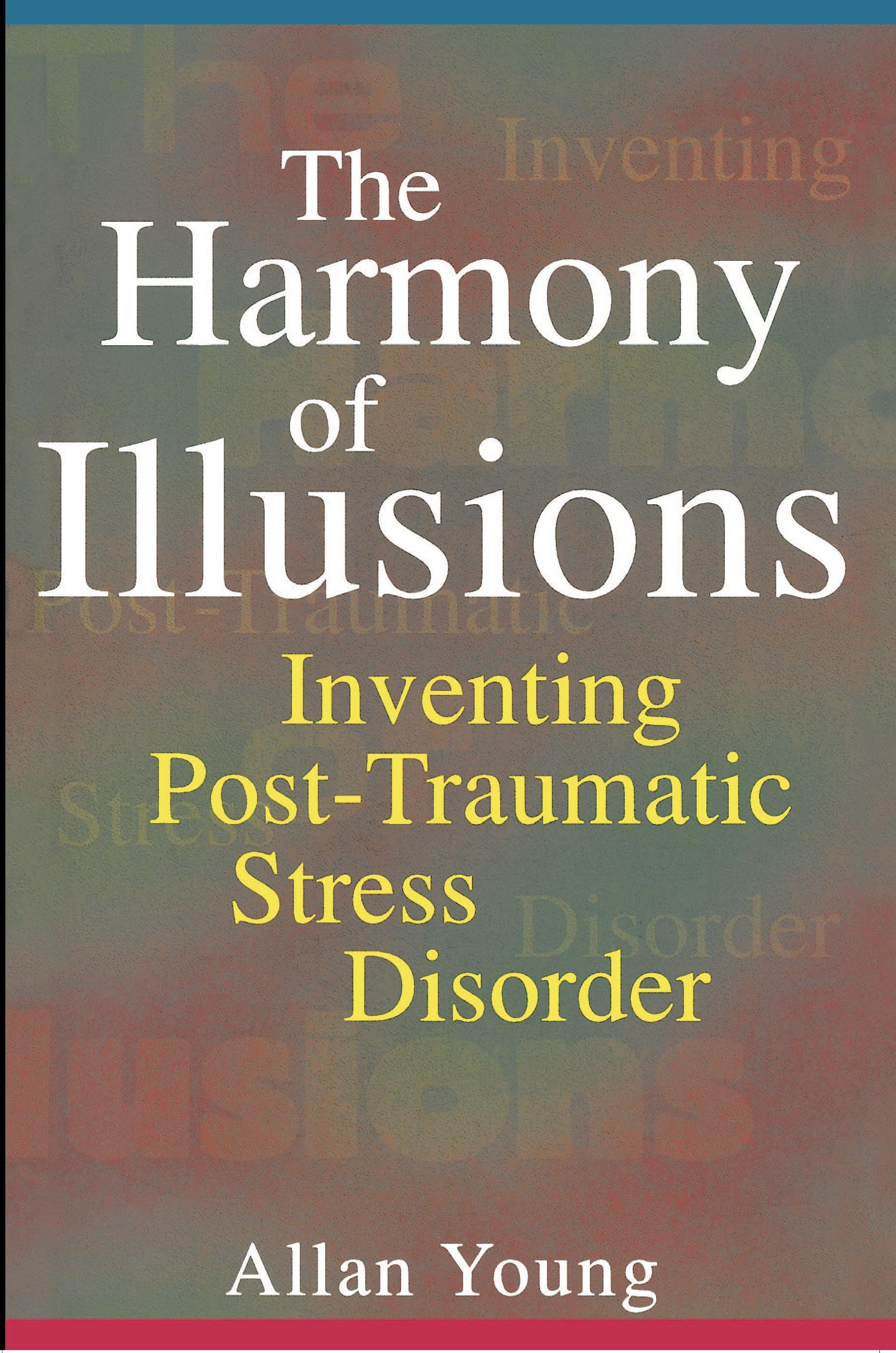
As far back as we know, there have been individuals incapacitated by memories that have filled them with sadness and remorse, fright and horror, or a sense of irreparable loss. Only recently, however, have people tormented with such recollections been diagnosed as suffering from "post-traumatic stress disorder." Here Allan Young traces this malady, particularly as it is suffered by Vietnam veterans, to its beginnings in the emergence of ideas about the unconscious mind and to earlier manifestations of traumatic memory like shell shock or traumatic hysteria. In Young's view, PTSD is not a timeless or universal phenomenon newly discovered. Rather, it is a "harmony of illusions," a cultural product gradually put together by the practices, technologies, and narratives with which it is diagnosed, studied, and treated and by the various interests, institutions, and moral arguments mobilizing these efforts.
This book is part history and part ethnography, and it includes a detailed account of everyday life in the treatment of Vietnam veterans with PTSD. To illustrate his points, Young presents a number of fascinating transcripts of the group therapy and diagnostic sessions that he observed firsthand over a period of two years. Through his comments and the transcripts themselves, the reader becomes familiar with the individual hospital personnel and clients and their struggle to make sense of life after a tragic war. One observes that everyone on the unit is heavily invested in the PTSD diagnosis: boundaries between therapist and patient are as unclear as were the distinctions between victim and victimizer in the jungles of Southeast Asia.
Paga facilmente con carta, Klarna, Apple Pay o Google Pay. Non sei soddisfatto? Hai sempre 14 giorni per il rimborso. Leggi di più nei nostri termini. Per qualsiasi domanda, scrivici a hello@memmo.org.
Memmo rende lo studio più facile, ovunque tu sia nel mondo. Qui trovi i tuoi libri di testo e strumenti di studio intelligenti, tutto in un unico posto: riassunti, quiz, podcast e flashcard. E poi c'è Ted, il tuo compagno di studio che risponde a ogni tua domanda. Oltre 50.000 studenti studiano già qui: è stato creato per aiutarti a imparare più velocemente e a stressarti meno.