
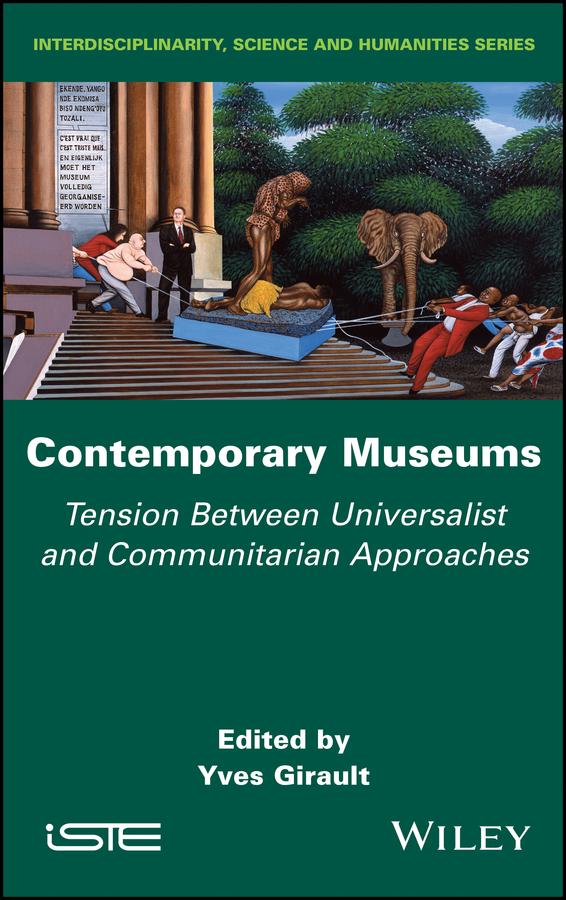
At the center of current debates surrounding the social function of museums, questions concerning museum activities and the participation of both inhabitants and the public arise. In 2019, these questions were the subject of many heated debates at the 34th General Assembly of ICOM in Kyoto, which intended to propose a new definition of the museum. As the representations of the tensions between Universalist and Communitarian approaches are not only largely dependent on the historical and socio-political contexts of the various countries concerned, a generational angle must also be considered. It thus seems totally anachronistic to try to defend a dichotomous vision that is far too simplistic.
At the heart of these current events and international issues, this collective work studies, in an international context, the values, actions and discourses advocated for participating in processes such as collection, selection, conservation and interpretation of heritage elements linked to the territories, resources, knowledge and know-how of various communities. The analysis of the tensions and asymmetries of power between various groups of actors – politicians, managers, scientists, visitors, representatives of local or diasporic populations, among others – particularly in the context of decolonization policies of museums, is also a major part of this book.
Paga facilmente con carta, Klarna, Apple Pay o Google Pay. Non sei soddisfatto? Hai sempre 14 giorni per il rimborso. Leggi di più nei nostri termini. Per qualsiasi domanda, scrivici a hello@memmo.org.
Memmo rende lo studio più facile, ovunque tu sia nel mondo. Qui trovi i tuoi libri di testo e strumenti di studio intelligenti, tutto in un unico posto: riassunti, quiz, podcast e flashcard. E poi c'è Ted, il tuo compagno di studio che risponde a ogni tua domanda. Oltre 50.000 studenti studiano già qui: è stato creato per aiutarti a imparare più velocemente e a stressarti meno.