
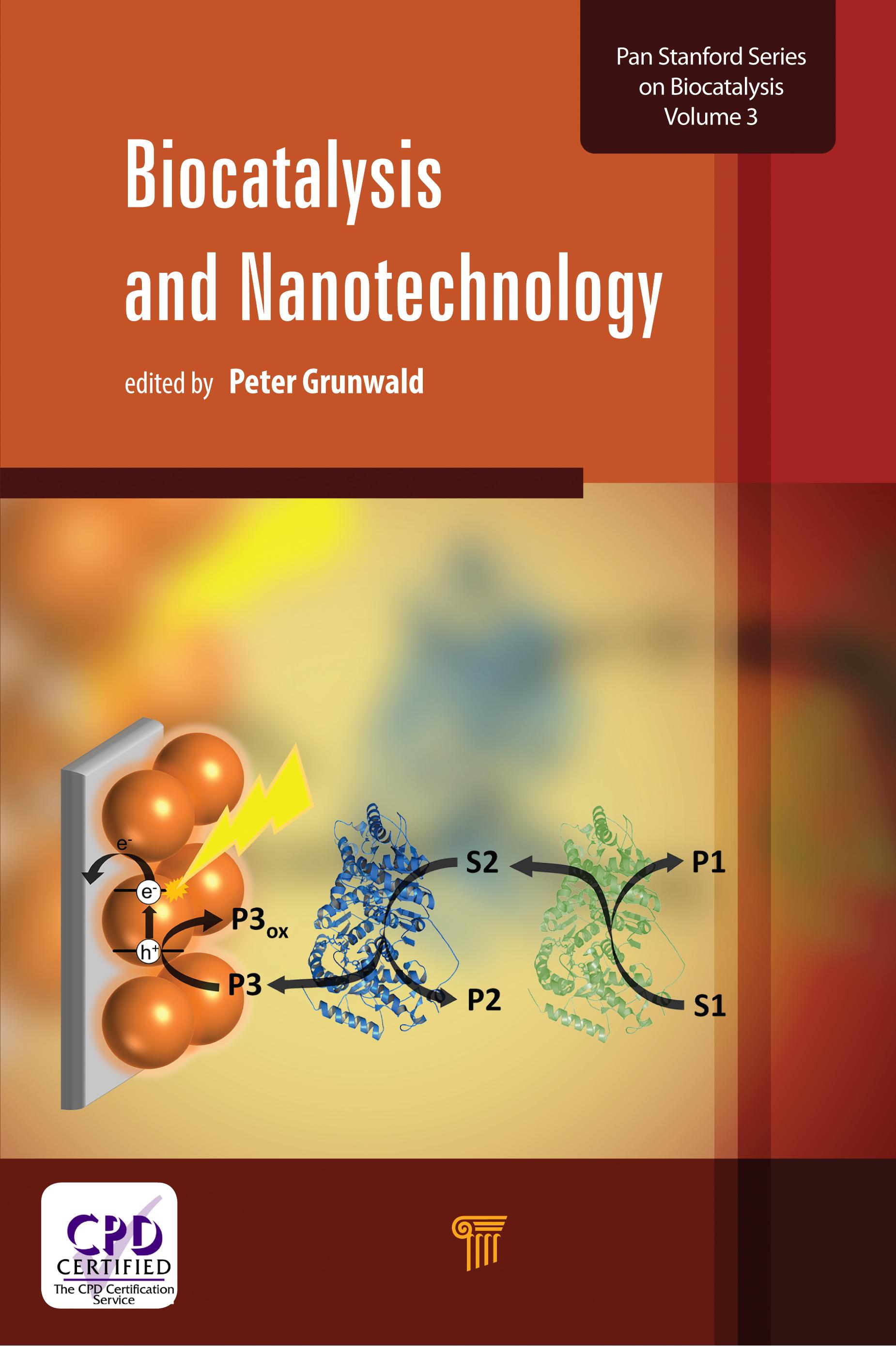
Nanobiocatalysis has rapidly developed into a subarea of enzyme biotechnology. It combines the advances in nanotechnology that have generated nanoscale materials of different sizes, shapes, and physicochemical properties, and the excellent characteristics of biocatalysts into an innovative technology. This book provides an overview of the various relations between nanotechnology and biocatalysis. It discusses the fabrication and application of nanomaterials for the immobilization of enzymes used in the sustainable production of goods and chemicals. Nanosupports have several advantages compared with bulk solid materials because of their high surface area, which results in a significantly reduced mass transfer limitation and comparatively high enzyme loading. These characteristics are also of great use for applications in the fields of enzymatic biosensors, biofuel cells, bioelectronics, and photoelectrochemical analyte detection, where conductive nanomaterials improve the rate of electron transfer. The book also presents an overview of nanotoxicology and covers nanostructured enzyme catalysis in organic solvents and its potential application for biodiesel production, probing of enzymatic activity, and identification of enzyme functions of inorganic nanoparticles as enzyme mimics.
Paga facilmente con carta, Klarna, Apple Pay o Google Pay. Non sei soddisfatto? Hai sempre 14 giorni per il rimborso. Leggi di più nei nostri termini. Per qualsiasi domanda, scrivici a hello@memmo.org.
Memmo rende lo studio più facile, ovunque tu sia nel mondo. Qui trovi i tuoi libri di testo e strumenti di studio intelligenti, tutto in un unico posto: riassunti, quiz, podcast e flashcard. E poi c'è Ted, il tuo compagno di studio che risponde a ogni tua domanda. Oltre 50.000 studenti studiano già qui: è stato creato per aiutarti a imparare più velocemente e a stressarti meno.