
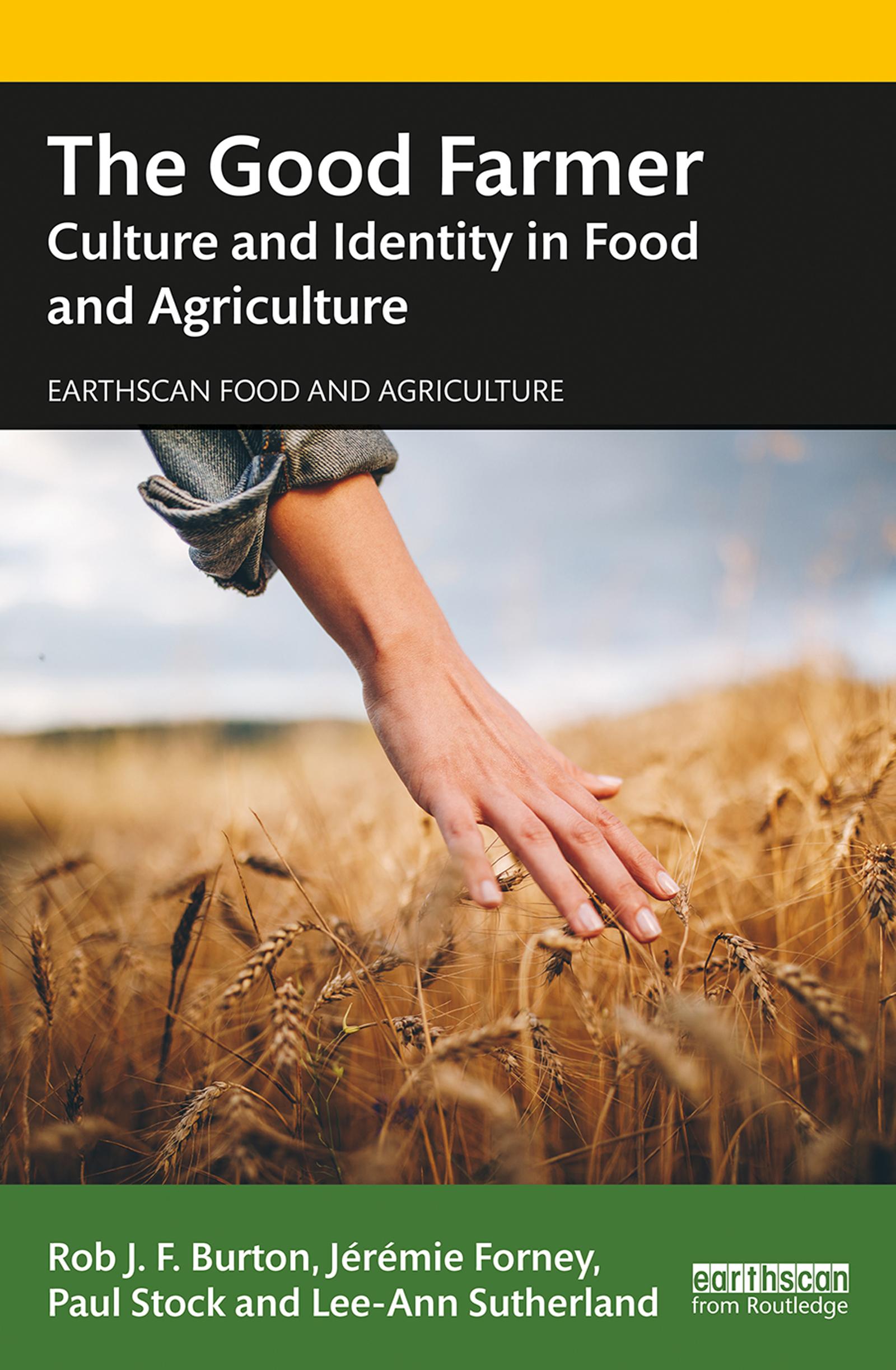
Developed by leading authors in the field, this book offers a cohesive and definitive theorisation of the concept of the 'good farmer', integrating historical analysis, critique of contemporary applications of good farming concepts, and new case studies, providing a springboard for future research.
The concept of the good farmer has emerged in recent years as part of a move away from attitude and economic-based understandings of farm decision-making towards a deeper understanding of culture and symbolism in agriculture. The Good Farmer shows why agricultural production is socially and culturally, as well as economically, important. It explores the history of the concept and its position in contemporary theory, as well as its use and meaning in a variety of different contexts, including landscape, environment, gender, society, and as a tool for resistance. By exploring the idea of the good farmer, it reveals the often-unforeseen assumptions implicit in food and agricultural policy that draw on culture, identity, and presumed notions of what is 'good'. The book concludes by considering the potential of the good farmer concept for addressing future, emerging issues in agriculture.
This book will be of interest to students and scholars of food and agriculture and rural development, as well as professionals and policymakers involved in the food and agricultural industry.
Paga facilmente con carta, Klarna, Apple Pay o Google Pay. Non sei soddisfatto? Hai sempre 14 giorni per il rimborso. Leggi di più nei nostri termini. Per qualsiasi domanda, scrivici a hello@memmo.org.
Memmo rende lo studio più facile, ovunque tu sia nel mondo. Qui trovi i tuoi libri di testo e strumenti di studio intelligenti, tutto in un unico posto: riassunti, quiz, podcast e flashcard. E poi c'è Ted, il tuo compagno di studio che risponde a ogni tua domanda. Oltre 50.000 studenti studiano già qui: è stato creato per aiutarti a imparare più velocemente e a stressarti meno.