
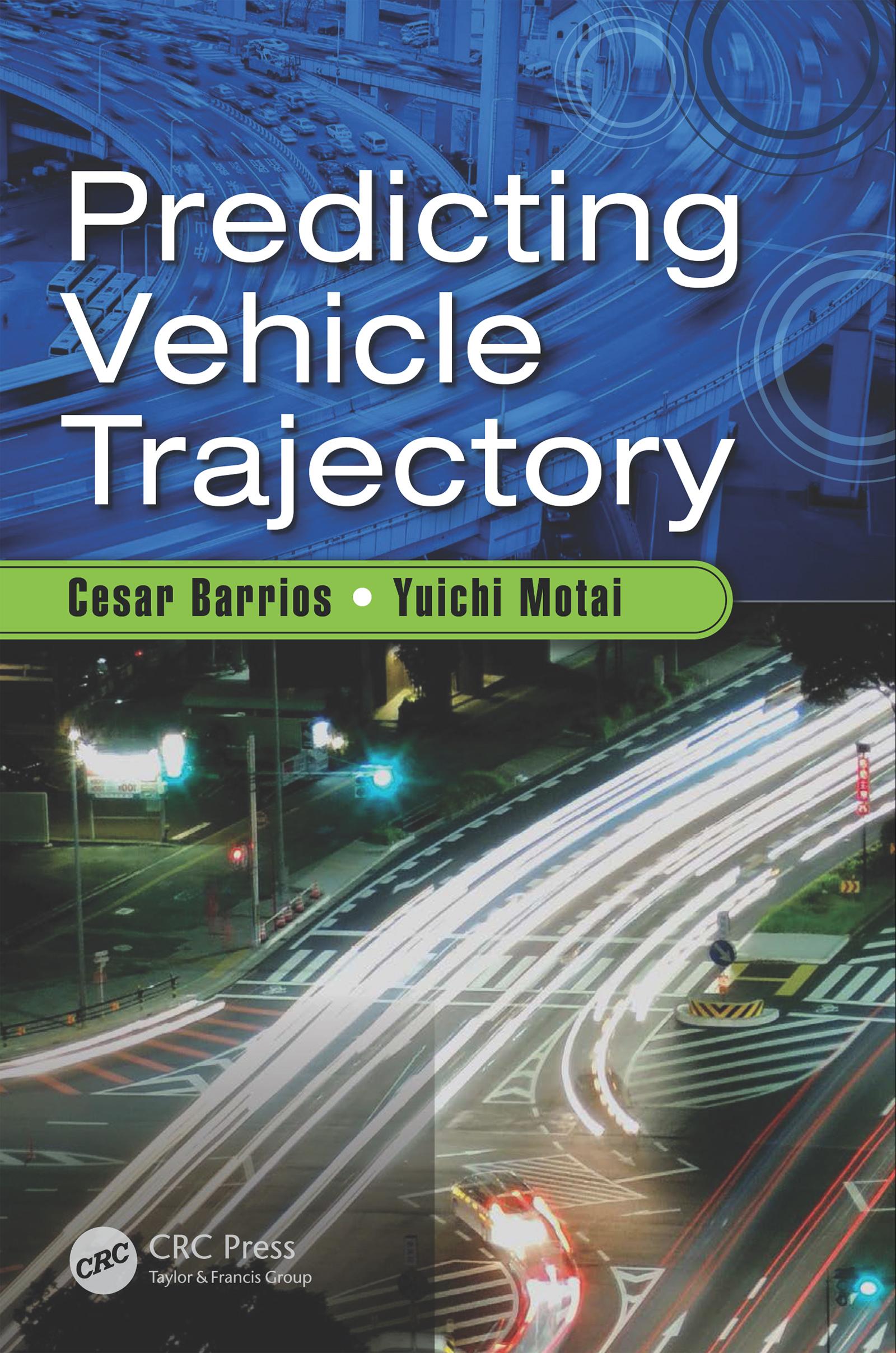
This book concentrates on improving the prediction of a vehicle’s future trajectory, particularly on non-straight paths. Having an accurate prediction of where a vehicle is heading is crucial for the system to reliably determine possible path intersections of more than one vehicle at the same time. The US DOT will be mandating that all vehicle manufacturers begin implementing V2V and V2I systems, so very soon collision avoidance systems will no longer rely on line of sight sensors, but instead will be able to take into account another vehicle’s spatial movements to determine if the future trajectories of the vehicles will intersect at the same time. Furthermore, the book introduces the reader to some improvements when predicting the future trajectory of a vehicle and presents a novel temporary solution on how to speed up the implementation of such V2V collision avoidance systems. Additionally, it evaluates whether smartphones can be used for trajectory predictions, in an attempt to populate a V2V collision avoidance system faster than a vehicle manufacturer can.
Paga facilmente con carta, Klarna, Apple Pay o Google Pay. Non sei soddisfatto? Hai sempre 14 giorni per il rimborso. Leggi di più nei nostri termini. Per qualsiasi domanda, scrivici a hello@memmo.org.
Memmo rende lo studio più facile, ovunque tu sia nel mondo. Qui trovi i tuoi libri di testo e strumenti di studio intelligenti, tutto in un unico posto: riassunti, quiz, podcast e flashcard. E poi c'è Ted, il tuo compagno di studio che risponde a ogni tua domanda. Oltre 50.000 studenti studiano già qui: è stato creato per aiutarti a imparare più velocemente e a stressarti meno.