
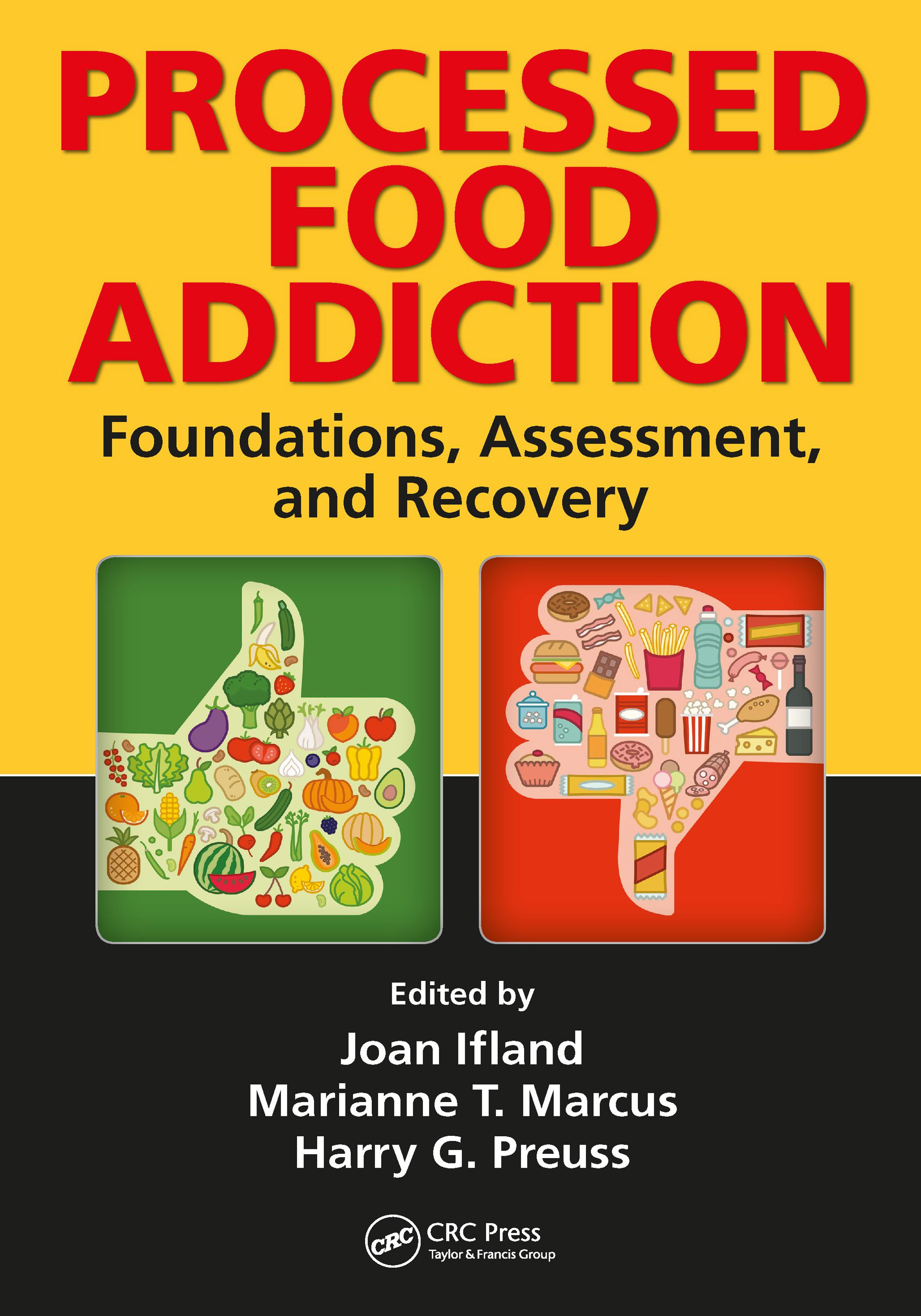
Obesity and eating disorders have stubbornly refused to respond to treatment since the 1990’s. This book organizes the evidence for a possible answer, i.e., that the problem could be one of addiction to processed foods. In a Processed Food Addiction (PFA) model, concepts of abstinence, cue-avoidance, acceptance of lapses, and consequences all play a role in long-term recovery. Application of these concepts could provide new tools to health professionals and significantly improve outcomes.
This book describes PFA recovery concepts in detail. The material bridges the research into practical steps that health professionals can employ in their practices. It contains an evidence-based chapter on concepts of abstinence from processed foods. It rigorously describes PFA pathology according to the DSM 5 Addiction Diagnostic Criteria. It applies the Addiction Severity Index to PFA so that health practitioners can orient themselves to diagnosing and assessing PFA. It contains ground-breaking insight into how to approach PFA in children.
Because the book is evidence-based, practitioners can gain the confidence to put the controversy about food addiction to rest. Practitioners can begin to identify and effectively help their clients who are addicted to processed foods. This is a breakthrough volume in a field that could benefit from new approaches.
Paga facilmente con carta, Klarna, Apple Pay o Google Pay. Non sei soddisfatto? Hai sempre 14 giorni per il rimborso. Leggi di più nei nostri termini. Per qualsiasi domanda, scrivici a hello@memmo.org.
Memmo rende lo studio più facile, ovunque tu sia nel mondo. Qui trovi i tuoi libri di testo e strumenti di studio intelligenti, tutto in un unico posto: riassunti, quiz, podcast e flashcard. E poi c'è Ted, il tuo compagno di studio che risponde a ogni tua domanda. Oltre 50.000 studenti studiano già qui: è stato creato per aiutarti a imparare più velocemente e a stressarti meno.