
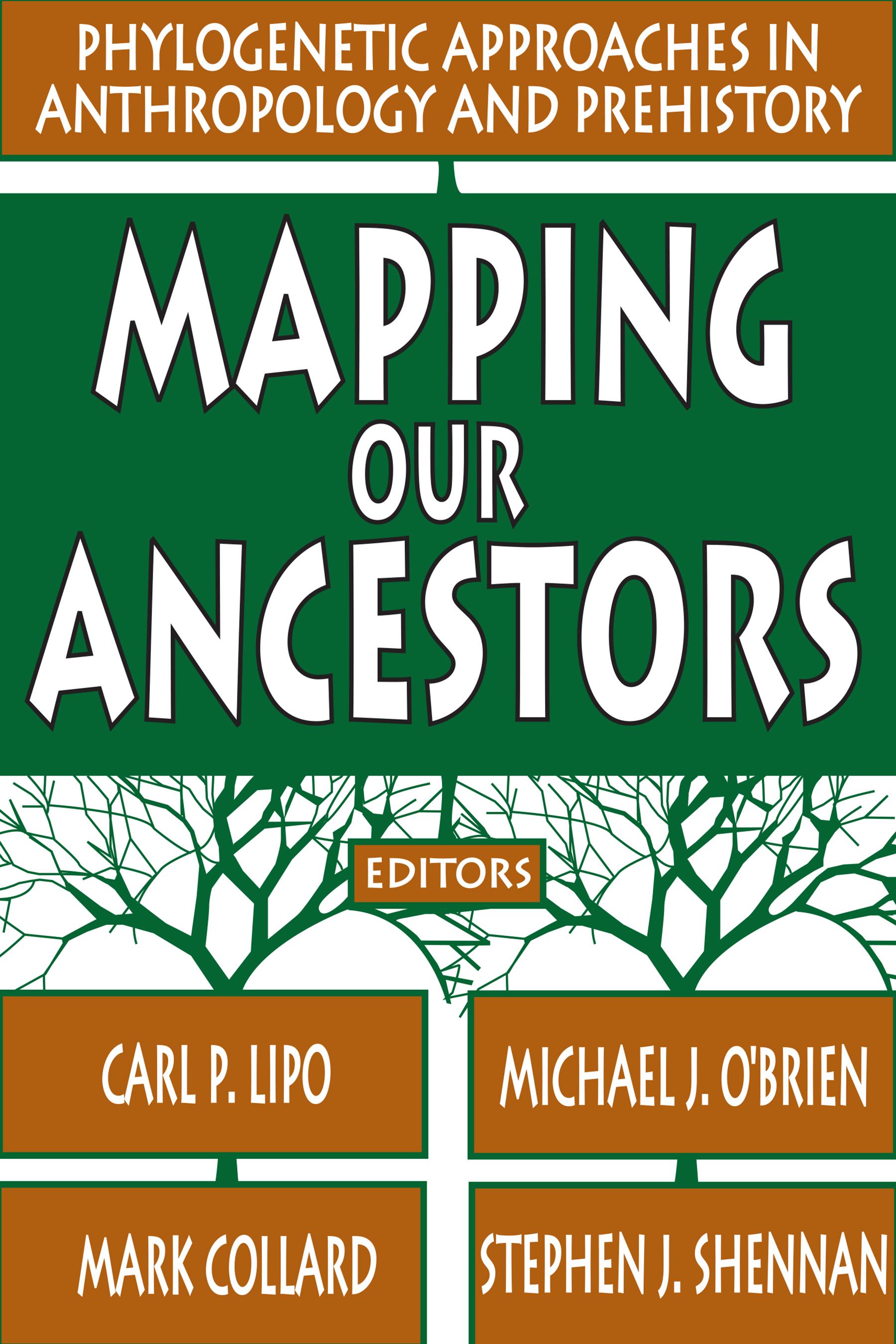
Much of what we are comes from our ancestors. Through cultural and biological inheritance mechanisms, our genetic composition, instructions for constructing artifacts, the structure and content of languages, and rules for behavior are passed from parents to children and from individual to individual. Mapping Our Ancestors demonstrates how various genealogical or "phylogenetic" methods can be used both to answer questions about human history and to build evolutionary explanations for the shape of history.
Anthropologists are increasingly turning to quantitative phylogenetic methods. These methods depend on the transmission of information regardless of mode and as such are applicable to many anthropological questions. In this way, phylogenetic approaches have the potential for building bridges among the various subdisciplines of anthropology; an exciting prospect indeed. The structure of Mapping Our Ancestors reflects the editors' goal of developing a common understanding of the methods and conditions under which ancestral relations can be derived in a range of data classes of interest to anthropologists. Specifically, this volume explores the degree to which patterns of ancestry can be determined from artifactual, genetic, linguistic, and behavioral data and how processes such as selection, transmission, and geography impact the results of phylogenetic analyses.
Mapping Our Ancestors provides a solid demonstration of the potential of phylogenetic methods for studying the evolutionary history of human populations using a variety of data sources and thus helps explain how cultural material, language, and biology came to be as they are.
Paga facilmente con carta, Klarna, Apple Pay o Google Pay. Non sei soddisfatto? Hai sempre 14 giorni per il rimborso. Leggi di più nei nostri termini. Per qualsiasi domanda, scrivici a hello@memmo.org.
Memmo rende lo studio più facile, ovunque tu sia nel mondo. Qui trovi i tuoi libri di testo e strumenti di studio intelligenti, tutto in un unico posto: riassunti, quiz, podcast e flashcard. E poi c'è Ted, il tuo compagno di studio che risponde a ogni tua domanda. Oltre 50.000 studenti studiano già qui: è stato creato per aiutarti a imparare più velocemente e a stressarti meno.