
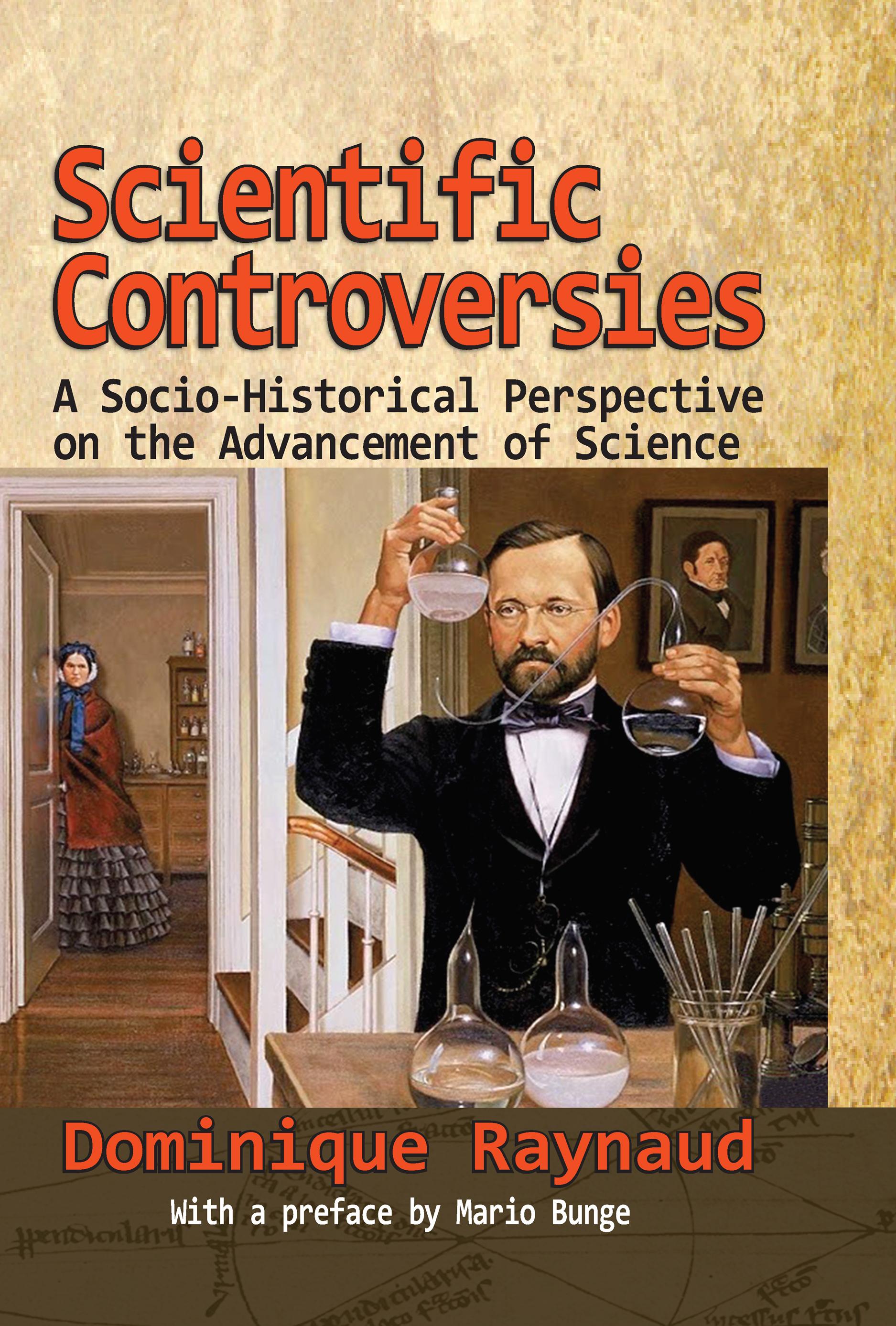
In Scientific Controversies, Dominque Raynaud shows how organized debates in the sciences help us establish or verify our knowledge of the world. If debates focus on form, scientific controversies are akin to public debates that can be understood within the framework of theories of conflict. If they focus on content, then such controversies have to do with a specific activity and address the nature of science itself. Understanding the major focus of a scientific controversy is a first step toward understanding these debates and assessing their merits.Controversies of unique socio-historic context, disciplines, and characteristics are examined: Pasteur's germ theory and Pouchet's theory of spontaneous generation; vitalism advocated at Montpellier versus experimental medicine in Paris; the science of optics about the propagation of visual rays; the origins of relativism (the Duhem-Quine problem). Touching on the work of Boudon, Popper, and others, Raynaud puts forward an incrementalist theory about the advancement of science through scientific controversies.The debates Raynaud has selected share in common their pivotal importance to the history of the sciences. By understanding the role of controversy, we better understand the functioning of science and the stakes of the contemporary scientific debates.
Paga facilmente con carta, Klarna, Apple Pay o Google Pay. Non sei soddisfatto? Hai sempre 14 giorni per il rimborso. Leggi di più nei nostri termini. Per qualsiasi domanda, scrivici a hello@memmo.org.
Memmo rende lo studio più facile, ovunque tu sia nel mondo. Qui trovi i tuoi libri di testo e strumenti di studio intelligenti, tutto in un unico posto: riassunti, quiz, podcast e flashcard. E poi c'è Ted, il tuo compagno di studio che risponde a ogni tua domanda. Oltre 50.000 studenti studiano già qui: è stato creato per aiutarti a imparare più velocemente e a stressarti meno.
Potrebbe interessarti anche
Acquista il libro0