
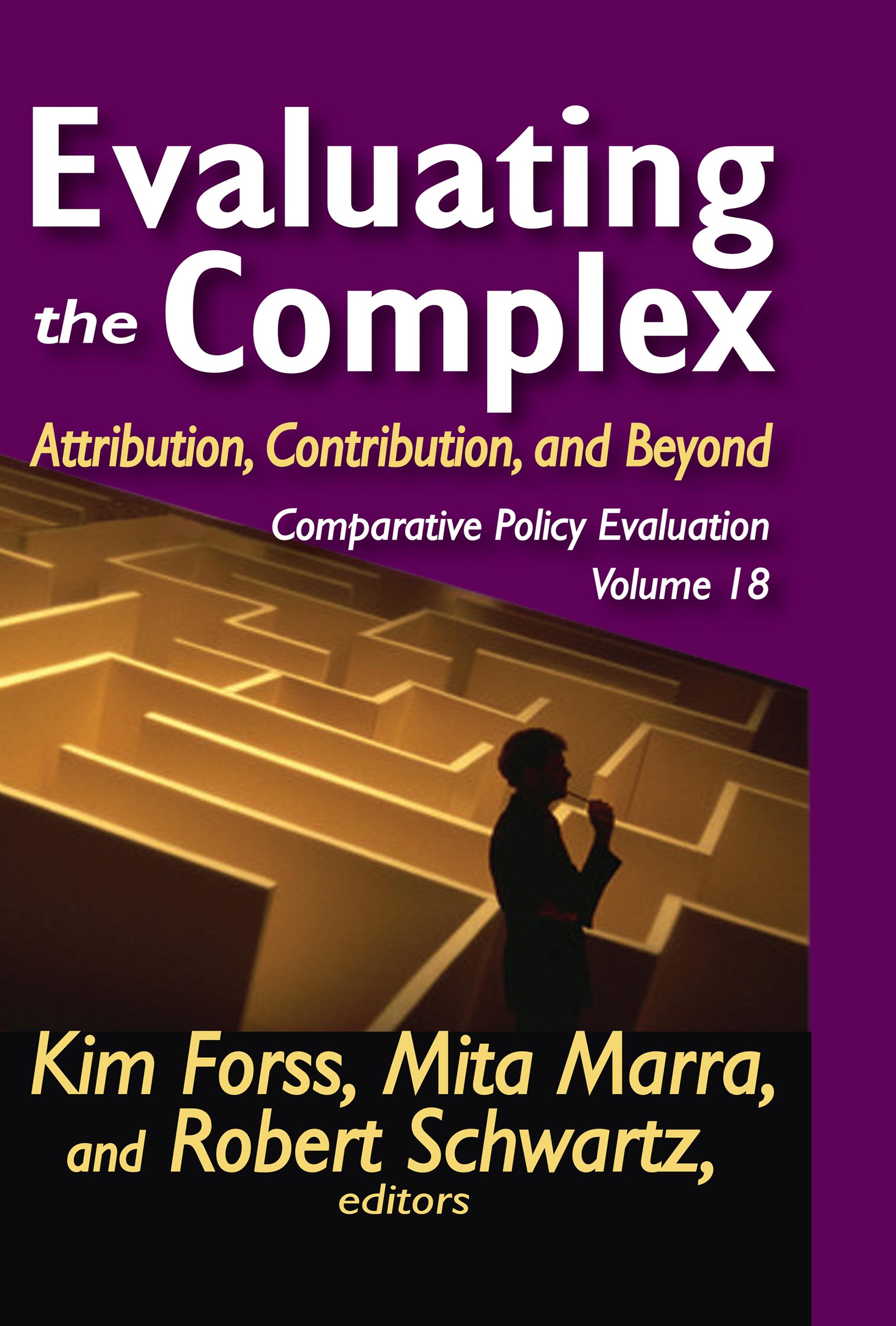
In the economic atmosphere following the crisis of 2008, not only have governments reacted by creating more complex policy initiatives, but they have also promised that all of these initiatives will be evaluated. Due to the complexity of many of the initiatives, the ways of evaluating are becoming equally complex.
The book begins with a theoretical and conceptual explanation of the process and shows how this translates into the practice of evaluation. The chapters cover a wide variety of subjects, such as poverty, homelessness, smoking prevention, HIV/AIDS, and child labor. The use of case studies sheds light on the conceptual ideas at work in organizations addressing some of the world's largest and most varied problems.
The evaluation process seeks a balance between order and chaos. The interaction of four elements—simplicity, inventiveness, flexibility, and specificity—allows complex patterns to emerge. The case studies illustrate this framework and provide a number of examples of practical management of complexity, in light of contingency theories of the evaluation process itself. These theories in turn match the complexity of evaluated policies, strategies, and programs. The evaluation process is examined for its impact on policy outcomes and choices.
Paga facilmente con carta, Klarna, Apple Pay o Google Pay. Non sei soddisfatto? Hai sempre 14 giorni per il rimborso. Leggi di più nei nostri termini. Per qualsiasi domanda, scrivici a hello@memmo.org.
Memmo rende lo studio più facile, ovunque tu sia nel mondo. Qui trovi i tuoi libri di testo e strumenti di studio intelligenti, tutto in un unico posto: riassunti, quiz, podcast e flashcard. E poi c'è Ted, il tuo compagno di studio che risponde a ogni tua domanda. Oltre 50.000 studenti studiano già qui: è stato creato per aiutarti a imparare più velocemente e a stressarti meno.