
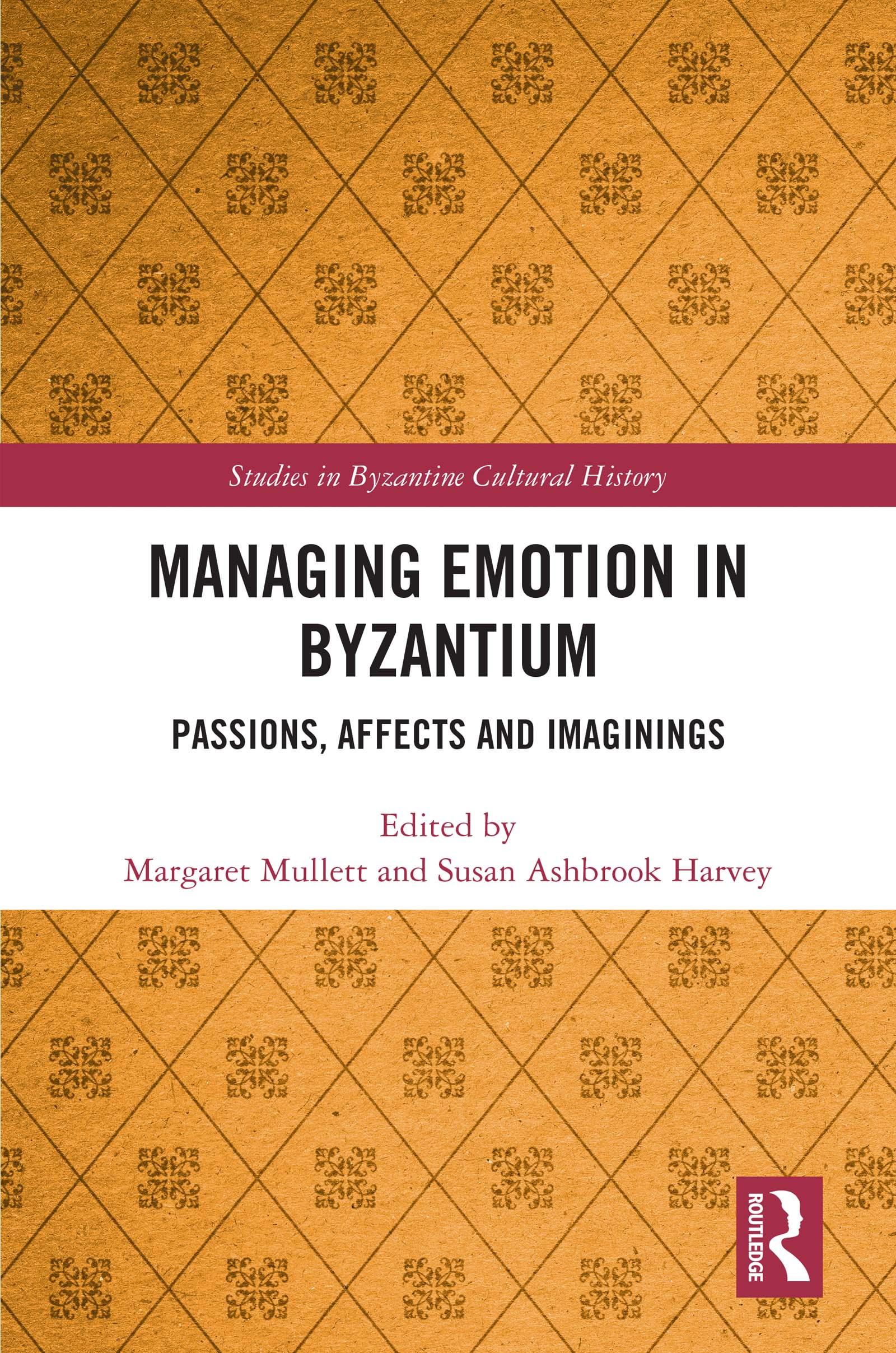
Byzantinists entered the study of emotion with Henry Maguire’s ground-breaking article on sorrow, published in 1977. Since then, classicists and western medievalists have developed new ways of understanding how emotional communities work and where the ancients’ concepts of emotion differ from our own, and Byzantinists have begun to consider emotions other than sorrow. It is time to look at what is distinctive about Byzantine emotion.
This volume is the first to look at the constellation of Byzantine emotions. Originating at an international colloquium at Dumbarton Oaks, these papers address issues such as power, gender, rhetoric, or asceticism in Byzantine society through the lens of a single emotion or cluster of emotions. Contributors focus not only on the construction of emotions with respect to perception and cognition but also explore how emotions were communicated and exchanged across broad (multi)linguistic, political and social boundaries. Priorities are twofold: to arrive at an understanding of what the Byzantines thought of as emotions and to comprehend how theory shaped their appraisal of reality.
Managing Emotion in Byzantium will appeal to researchers and students alike interested in Byzantine perceptions of emotion, Byzantine Culture, and medieval perceptions of emotion.
Paga facilmente con carta, Klarna, Apple Pay o Google Pay. Non sei soddisfatto? Hai sempre 14 giorni per il rimborso. Leggi di più nei nostri termini. Per qualsiasi domanda, scrivici a hello@memmo.org.
Memmo rende lo studio più facile, ovunque tu sia nel mondo. Qui trovi i tuoi libri di testo e strumenti di studio intelligenti, tutto in un unico posto: riassunti, quiz, podcast e flashcard. E poi c'è Ted, il tuo compagno di studio che risponde a ogni tua domanda. Oltre 50.000 studenti studiano già qui: è stato creato per aiutarti a imparare più velocemente e a stressarti meno.