
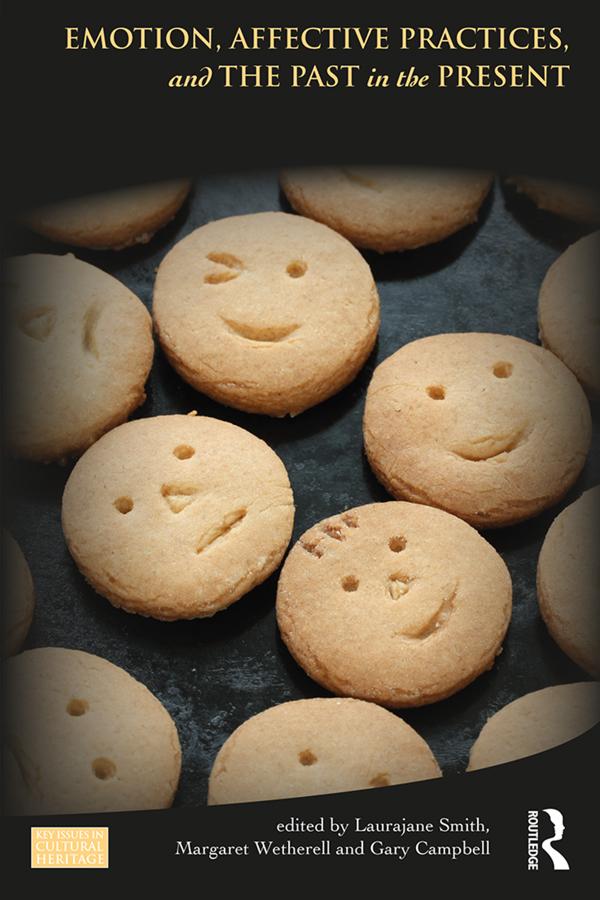
Emotion, Affective Practices, and the Past in the Present is a response to debates in the humanities and social sciences about the use of emotion. This timely and unique book explores the ways emotion is embroiled and used in contemporary engagements with the past, particularly in contexts such as heritage sites, museums, commemorations, political rhetoric and ideology, debates over issues of social memory, and touristic uses of heritage sites.
Including contributions from academics and practitioners in a range of countries, the book reviews significant and conflicting academic debates on the nature and expression of affect and emotion. As a whole, the book makes an argument for a pragmatic understanding of affect and, in doing so, outlines Wetherell’s concept of affective practice, a concept utilised in most of the chapters in this book. Since debates about affect and emotion can often be confusing and abstract, the book aims to clarify these debates and, through the use of case studies, draw out their implications for theory and practice within heritage and museum studies.
Emotion, Affective Practices, and the Past in the Present should be essential reading for students, academics, and professionals in the fields of heritage and museum studies. The book will also be of interest to those in other disciplines, such as social psychology, education, archaeology, tourism studies, cultural studies, media studies, anthropology, sociology, and history.
Paga facilmente con carta, Klarna, Apple Pay o Google Pay. Non sei soddisfatto? Hai sempre 14 giorni per il rimborso. Leggi di più nei nostri termini. Per qualsiasi domanda, scrivici a hello@memmo.org.
Memmo rende lo studio più facile, ovunque tu sia nel mondo. Qui trovi i tuoi libri di testo e strumenti di studio intelligenti, tutto in un unico posto: riassunti, quiz, podcast e flashcard. E poi c'è Ted, il tuo compagno di studio che risponde a ogni tua domanda. Oltre 50.000 studenti studiano già qui: è stato creato per aiutarti a imparare più velocemente e a stressarti meno.