
Prima di Memmo, i miei appunti erano sparsi tra mille PDF. Ora uno spazio di lavoro raccoglie tutto in un unico posto, e vedo esattamente cosa mi resta da studiare.
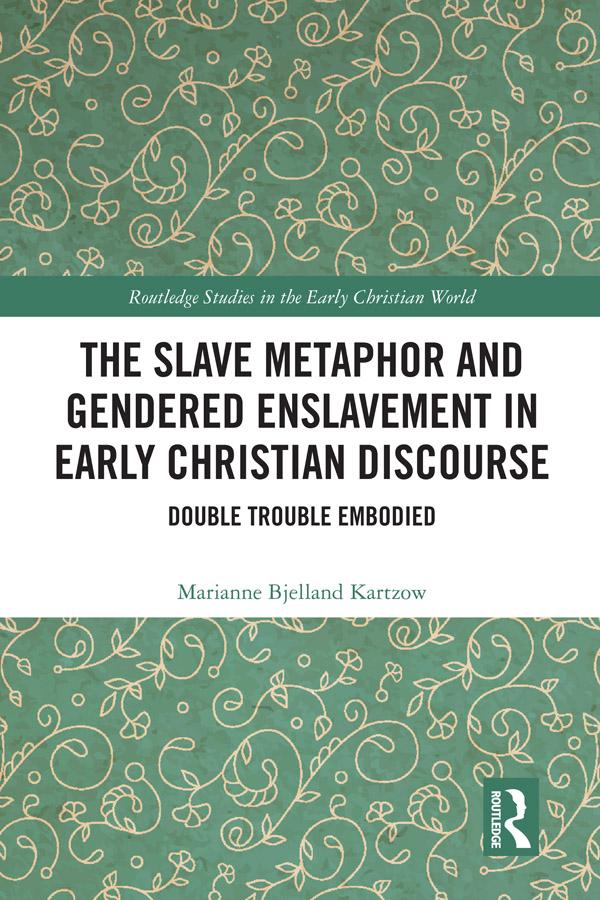
The Slave Metaphor and Gendered Enslavement in Early Christian Discourse adds new knowledge to the ongoing discussion of slavery in early Christian discourse. Kartzow argues that the complex tension between metaphor and social reality in early Christian discourse is undertheorized. A metaphor can be so much more than an innocent thought figure; it involves bodies, relationships, life stories, and memory in complex ways. The slavery metaphor is troubling since it makes theology of a social institution that is profoundly troubling. This study rethinks the potential meaning of the slavery metaphor in early Christian discourse by use of a variety of texts, read with a whole set of theoretical tools taken from metaphor theory and intersectional gender studies, in particular. It also takes seriously the contemporary context of modern slavery, where slavery has re-appeared as a term to name trafficking, gendered violence, and inhuman power systems.
Prima di Memmo, i miei appunti erano sparsi tra mille PDF. Ora uno spazio di lavoro raccoglie tutto in un unico posto, e vedo esattamente cosa mi resta da studiare.
I riassunti di Memmo sono oro puro prima degli esami. Non devo rileggere 800 pagine due settimane prima, solo le parti importanti.
La chat AI mi ha salvato più di una volta la sera prima di un esame. Continuo a chiedere finché non capisco, senza aspettare risposte da un gruppo di studio.
I quiz colpiscono esattamente ciò che devo sapere. Memmo tiene traccia di dove mi blocco, così mi esercito solo su ciò che conta davvero.
Le flashcard con ripetizione spaziata sono magia pura. Memmo sa quando sto per dimenticare qualcosa e me lo ripropone.
I podcast AI sono i miei preferiti. Li ascolto mentre vado a scuola e ripasso senza stare davanti al computer.