
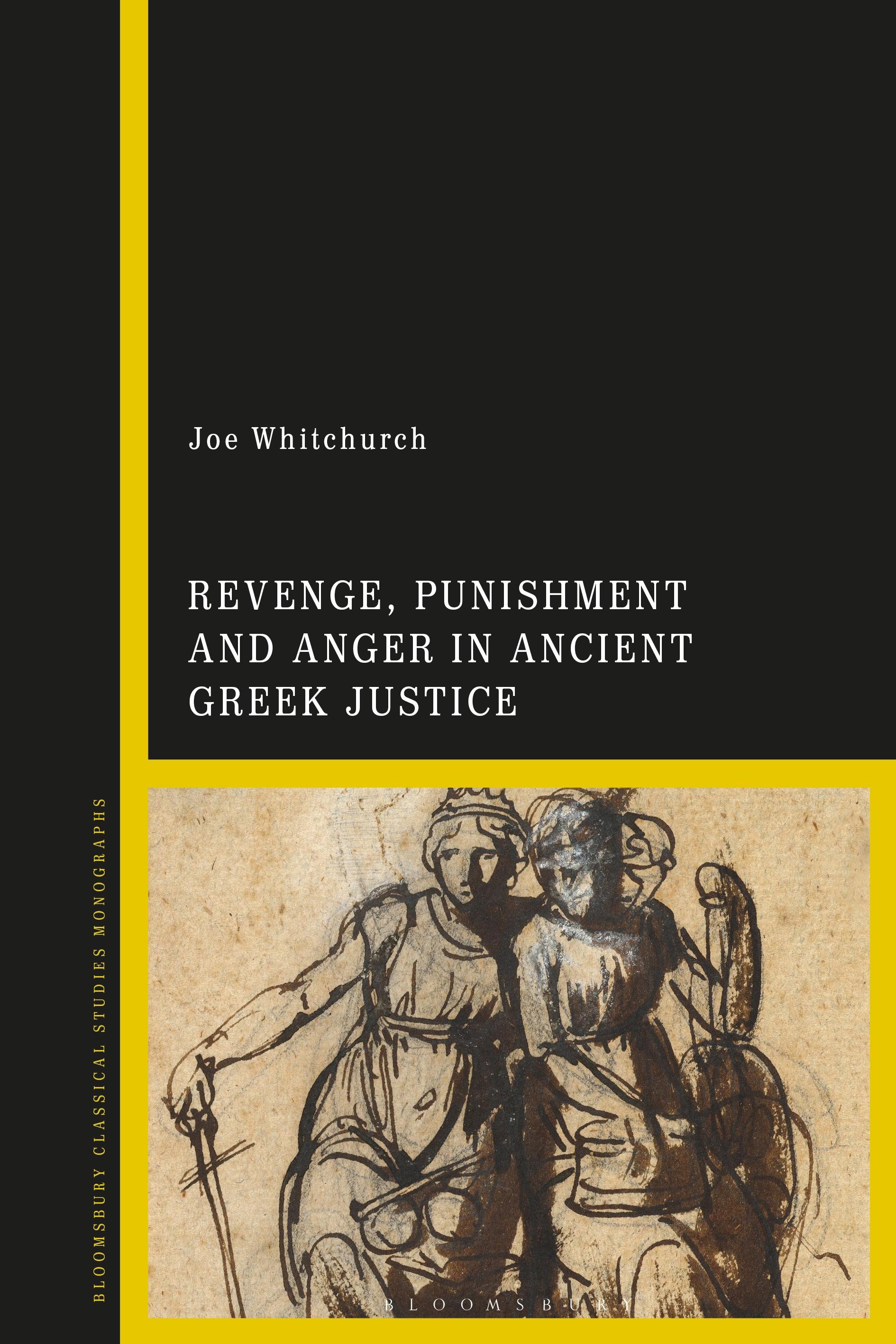
Anger was the engine of justice in the ancient Greek world. It drove quests for vengeance which resulted in a variety of consequences, often harmful not only for the relevant actors but also for the wider communities in which they lived.
From as early as the seventh century BCE, Greek communities had developed more or less formal means of imposing restrictions on this behaviour in the form of courts. However, this did not necessarily mean a less angry or vengeful society so much as one where anger and revenge were subject to public sanction and sometimes put to public use.
By the fifth and fourth centuries, the Athenian polis had developed a considerably more sophisticated system for the administration of justice, encompassing a variety of laws, courts, and procedures. In essence, the justice it meted out was built on the same emotional foundations as that seen in Homer. Jurors gave licence to or restrained the anger of plaintiffs in private cases, and they punished according to the anger they themselves felt in public ones. The growing state in ancient Greek poleis did not bring about a transition away from angry private revenge to emotionless public punishment. Rather, anger came increasingly to move into the public sphere, the emotional driver of an early state that defended its community, and even itself, through its vengeful acts of punishment.
From as early as the seventh century BCE, Greek communities had developed more or less formal means of imposing restrictions on this behaviour in the form of courts. However, this did not necessarily mean a less angry or vengeful society so much as one where anger and revenge were subject to public sanction and sometimes put to public use.
By the fifth and fourth centuries, the Athenian polis had developed a considerably more sophisticated system for the administration of justice, encompassing a variety of laws, courts, and procedures. In essence, the justice it meted out was built on the same emotional foundations as that seen in Homer. Jurors gave licence to or restrained the anger of plaintiffs in private cases, and they punished according to the anger they themselves felt in public ones. The growing state in ancient Greek poleis did not bring about a transition away from angry private revenge to emotionless public punishment. Rather, anger came increasingly to move into the public sphere, the emotional driver of an early state that defended its community, and even itself, through its vengeful acts of punishment.
Paga facilmente con carta, Klarna, Apple Pay o Google Pay. Non sei soddisfatto? Hai sempre 14 giorni per il rimborso. Leggi di più nei nostri termini. Per qualsiasi domanda, scrivici a hello@memmo.org.
Memmo rende lo studio più facile, ovunque tu sia nel mondo. Qui trovi i tuoi libri di testo e strumenti di studio intelligenti, tutto in un unico posto: riassunti, quiz, podcast e flashcard. E poi c'è Ted, il tuo compagno di studio che risponde a ogni tua domanda. Oltre 50.000 studenti studiano già qui: è stato creato per aiutarti a imparare più velocemente e a stressarti meno.