
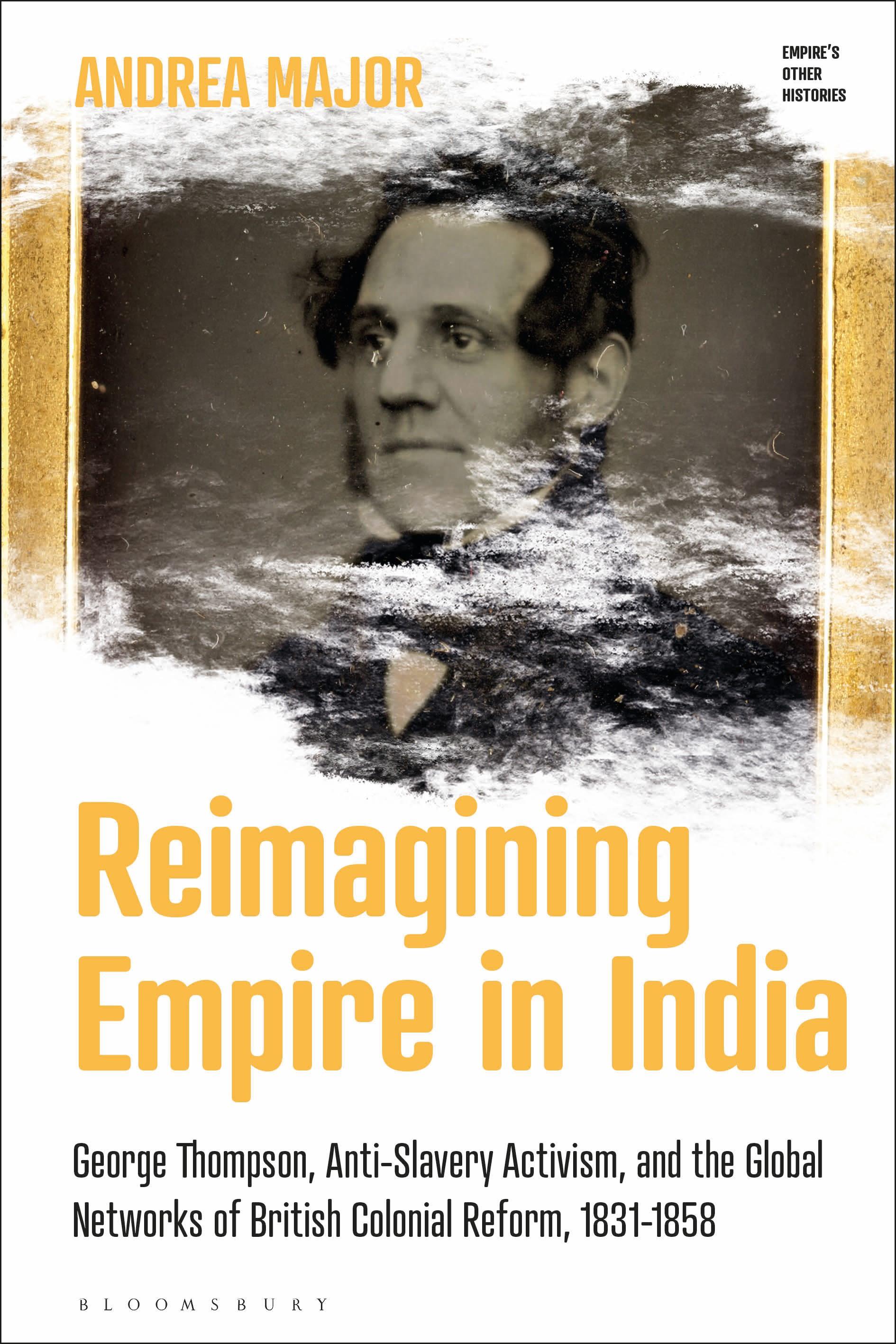
This book explores debates about East India Company colonialism that took place on the lecture circuits of Britain, in the meeting houses of Calcutta, and at the Mughal court in Delhi in the late 1830s and 1840s. In the decades that followed the Emancipation Act (1833) British abolitionists and colonial philanthropists turned their attention to conditions across the empire, sometimes collaborating with colonised groups to challenge the impositions and iniquities of British colonial rule and sometimes prescribing their own vision of how an imperial relationship should look.
This book uses the travels, experiences, and activism of anti-slavery lecturer and East India reformer George Thompson as a starting point for a wider exploration and reassessment of the ways in which Company rule in India was challenged in the decades before the Indian Uprising of 1857. An important organiser in the campaign for East India reform as the main spokesperson for the Aborigines Protection Society and a champion of the causes of Indian rulers such as Pratap Singh and Bahadur Shah Zafar, Thompson was also a flawed character. As a paid agent, he was remunerated for his activism and accusations of pecuniary self-interest were never far away. His story therefore offers important insights into the limitations of early anti-colonial sentiment, and the problems of cosmopolitan collaboration in colonial contexts. By exploring early Victorian debates about India's commercial potential, role in the imperial labour market, and place within an increasingly interconnected post-emancipation empire, the book seeks to contextualise evolving ideas regarding Britain's humanitarian responsibilities towards her 'fellow subjects in the East', and how these connected with, and were superseded by, nascent forms of Indian anti-colonialism, political protest, and civic activism.
This book uses the travels, experiences, and activism of anti-slavery lecturer and East India reformer George Thompson as a starting point for a wider exploration and reassessment of the ways in which Company rule in India was challenged in the decades before the Indian Uprising of 1857. An important organiser in the campaign for East India reform as the main spokesperson for the Aborigines Protection Society and a champion of the causes of Indian rulers such as Pratap Singh and Bahadur Shah Zafar, Thompson was also a flawed character. As a paid agent, he was remunerated for his activism and accusations of pecuniary self-interest were never far away. His story therefore offers important insights into the limitations of early anti-colonial sentiment, and the problems of cosmopolitan collaboration in colonial contexts. By exploring early Victorian debates about India's commercial potential, role in the imperial labour market, and place within an increasingly interconnected post-emancipation empire, the book seeks to contextualise evolving ideas regarding Britain's humanitarian responsibilities towards her 'fellow subjects in the East', and how these connected with, and were superseded by, nascent forms of Indian anti-colonialism, political protest, and civic activism.
Pagine: 280
Categoria: Kultur-, Genus- & Postkoloniala studier
e-ISBN: 9781350451117
Peso di spedizione: 1.2 kg
Spedito in: 1-2 giorni
Paga facilmente con carta, Klarna, Apple Pay o Google Pay. Non sei soddisfatto? Hai sempre 14 giorni per il rimborso. Leggi di più nei nostri termini. Per qualsiasi domanda, scrivici a hello@memmo.org.
Memmo rende lo studio più facile, ovunque tu sia nel mondo. Qui trovi i tuoi libri di testo e strumenti di studio intelligenti, tutto in un unico posto: riassunti, quiz, podcast e flashcard. E poi c'è Ted, il tuo compagno di studio che risponde a ogni tua domanda. Oltre 50.000 studenti studiano già qui: è stato creato per aiutarti a imparare più velocemente e a stressarti meno.