
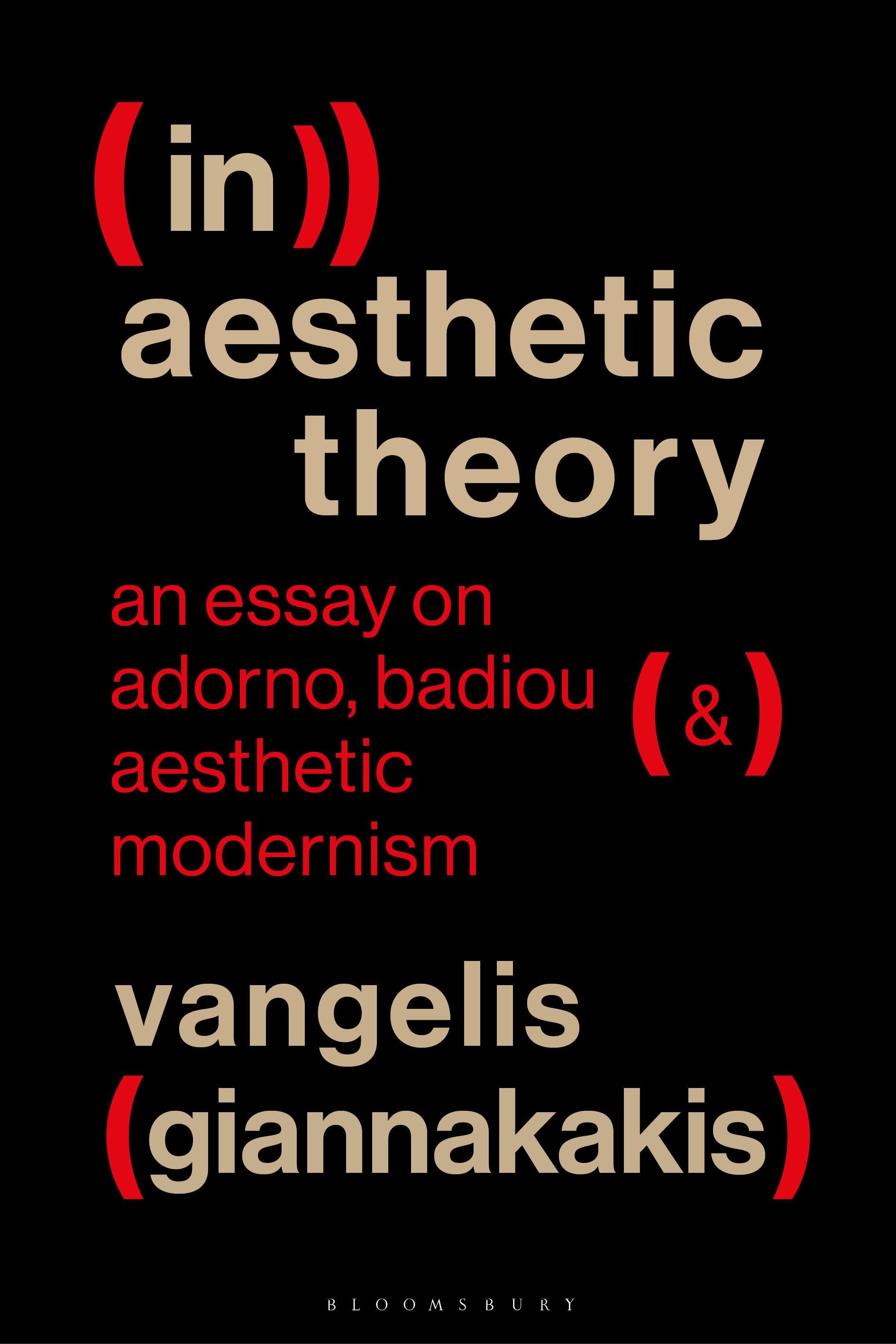
A reckoning with the radicalisation of modernist aesthetics that took hold in the mid-twentieth century, (In)aesthetic Theory illuminates the limits of aesthetic presentation by bringing Theodor Adorno and Alain Badiou's divergent philosophies of art into critical proximity.
Both theorists uncover moments in which art ceases to represent and begins to insist – where its truth is not stated outright but intimated in a gesture beyond the world as given. Their respective frameworks suggest that aesthetic experience can open an affective breach in which the reifying impulse of cognition is negated, and that which otherwise eludes the regime of established appearances is encountered obliquely. This shared structural insight anchors this book's central hypothesis: that art's power to produce truth lies precisely in this zone of interruption, of failure, of withdrawal, and vanishing intensity.
Combining original theory with historically grounded comparative commentary, the text reflects on presence and absence, history and memory, politics and art, entropy and decay. With it, Vangelis Giannakakis offers a vitally current interpretation of aesthetic modernism.
Both theorists uncover moments in which art ceases to represent and begins to insist – where its truth is not stated outright but intimated in a gesture beyond the world as given. Their respective frameworks suggest that aesthetic experience can open an affective breach in which the reifying impulse of cognition is negated, and that which otherwise eludes the regime of established appearances is encountered obliquely. This shared structural insight anchors this book's central hypothesis: that art's power to produce truth lies precisely in this zone of interruption, of failure, of withdrawal, and vanishing intensity.
Combining original theory with historically grounded comparative commentary, the text reflects on presence and absence, history and memory, politics and art, entropy and decay. With it, Vangelis Giannakakis offers a vitally current interpretation of aesthetic modernism.
Paga facilmente con carta, Klarna, Apple Pay o Google Pay. Non sei soddisfatto? Hai sempre 14 giorni per il rimborso. Leggi di più nei nostri termini. Per qualsiasi domanda, scrivici a hello@memmo.org.
Memmo rende lo studio più facile, ovunque tu sia nel mondo. Qui trovi i tuoi libri di testo e strumenti di studio intelligenti, tutto in un unico posto: riassunti, quiz, podcast e flashcard. E poi c'è Ted, il tuo compagno di studio che risponde a ogni tua domanda. Oltre 50.000 studenti studiano già qui: è stato creato per aiutarti a imparare più velocemente e a stressarti meno.