
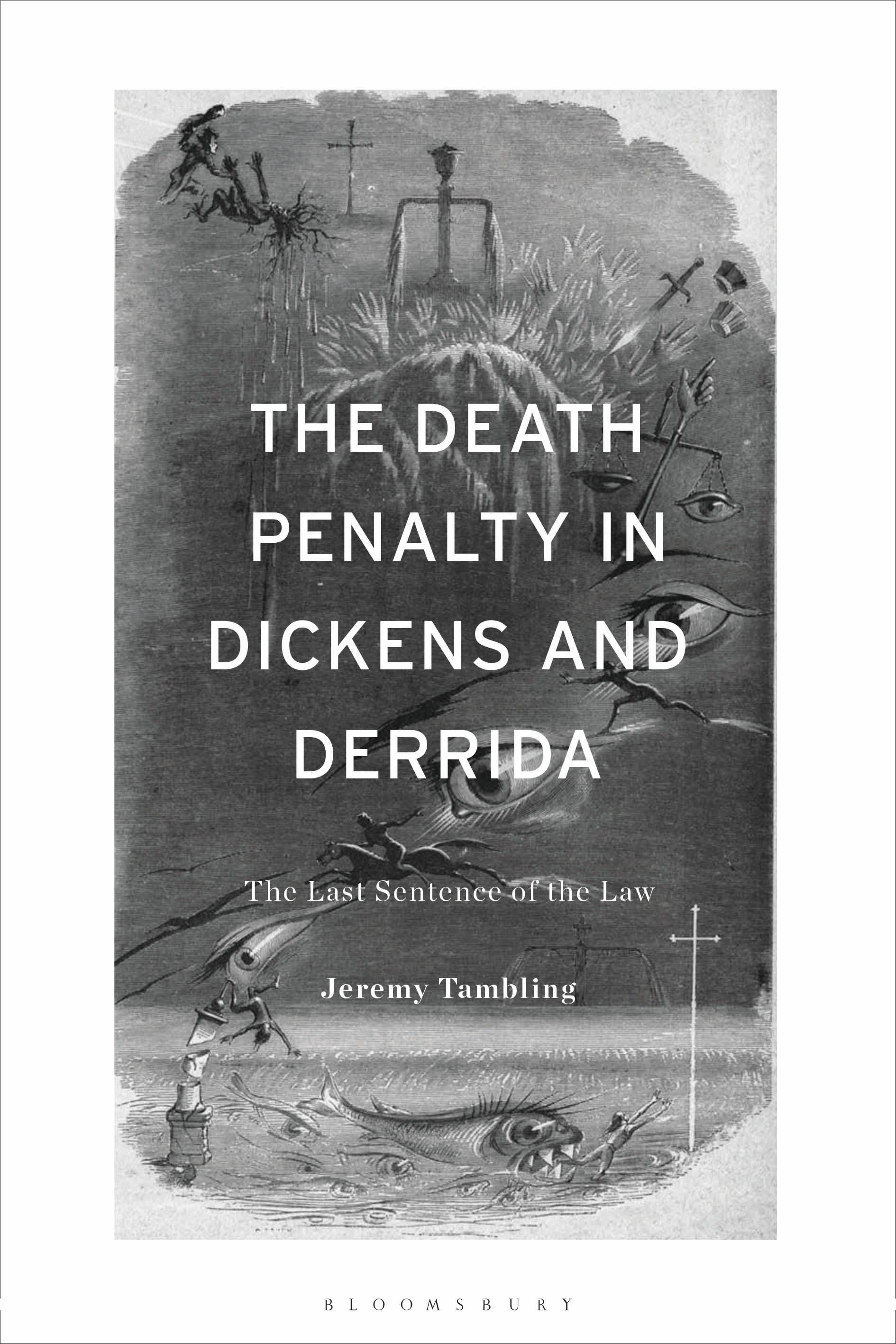
In the nineteenth century, Charles Dickens backed the cause of abolition of the death penalty and wrote comprehensively about it, in public letters and in his novels. At the end of the twentieth century, Jacques Derrida ran two years of seminars on the subject, which were published posthumously. What the novelist and the philosopher of deconstruction discussed independently, this book brings into comparison.
Tambling examines crime and punishment in Dickens's novels Barnaby Rudge, A Tale of Two Cities, Oliver Twist and Bleak House and explores those who influenced Dickens's work, including Hogarth, Fielding, Godwin and Edgar Allen Poe. This book also looks at those who influenced Derrida – Freud, Nietzsche, Foucault and Blanchot – and considers Derrida's study on terrorism and the USA as the only major democracy adhering to the death penalty.
A comprehensive study of punishment in Dickens, and furthering Derrida's insights by commenting on Shakespeare and blood, revenge, the French Revolution, and the enduring power of violence and its fascination, this book is a major contribution to literary criticism on Dickens and Derrida. Those interested in literature, criminology, law, gender, and psychoanalysis will find it an essential intervention in a topic still rousing intense argument.
Tambling examines crime and punishment in Dickens's novels Barnaby Rudge, A Tale of Two Cities, Oliver Twist and Bleak House and explores those who influenced Dickens's work, including Hogarth, Fielding, Godwin and Edgar Allen Poe. This book also looks at those who influenced Derrida – Freud, Nietzsche, Foucault and Blanchot – and considers Derrida's study on terrorism and the USA as the only major democracy adhering to the death penalty.
A comprehensive study of punishment in Dickens, and furthering Derrida's insights by commenting on Shakespeare and blood, revenge, the French Revolution, and the enduring power of violence and its fascination, this book is a major contribution to literary criticism on Dickens and Derrida. Those interested in literature, criminology, law, gender, and psychoanalysis will find it an essential intervention in a topic still rousing intense argument.
Paga facilmente con carta, Klarna, Apple Pay o Google Pay. Non sei soddisfatto? Hai sempre 14 giorni per il rimborso. Leggi di più nei nostri termini. Per qualsiasi domanda, scrivici a hello@memmo.org.
Memmo rende lo studio più facile, ovunque tu sia nel mondo. Qui trovi i tuoi libri di testo e strumenti di studio intelligenti, tutto in un unico posto: riassunti, quiz, podcast e flashcard. E poi c'è Ted, il tuo compagno di studio che risponde a ogni tua domanda. Oltre 50.000 studenti studiano già qui: è stato creato per aiutarti a imparare più velocemente e a stressarti meno.