
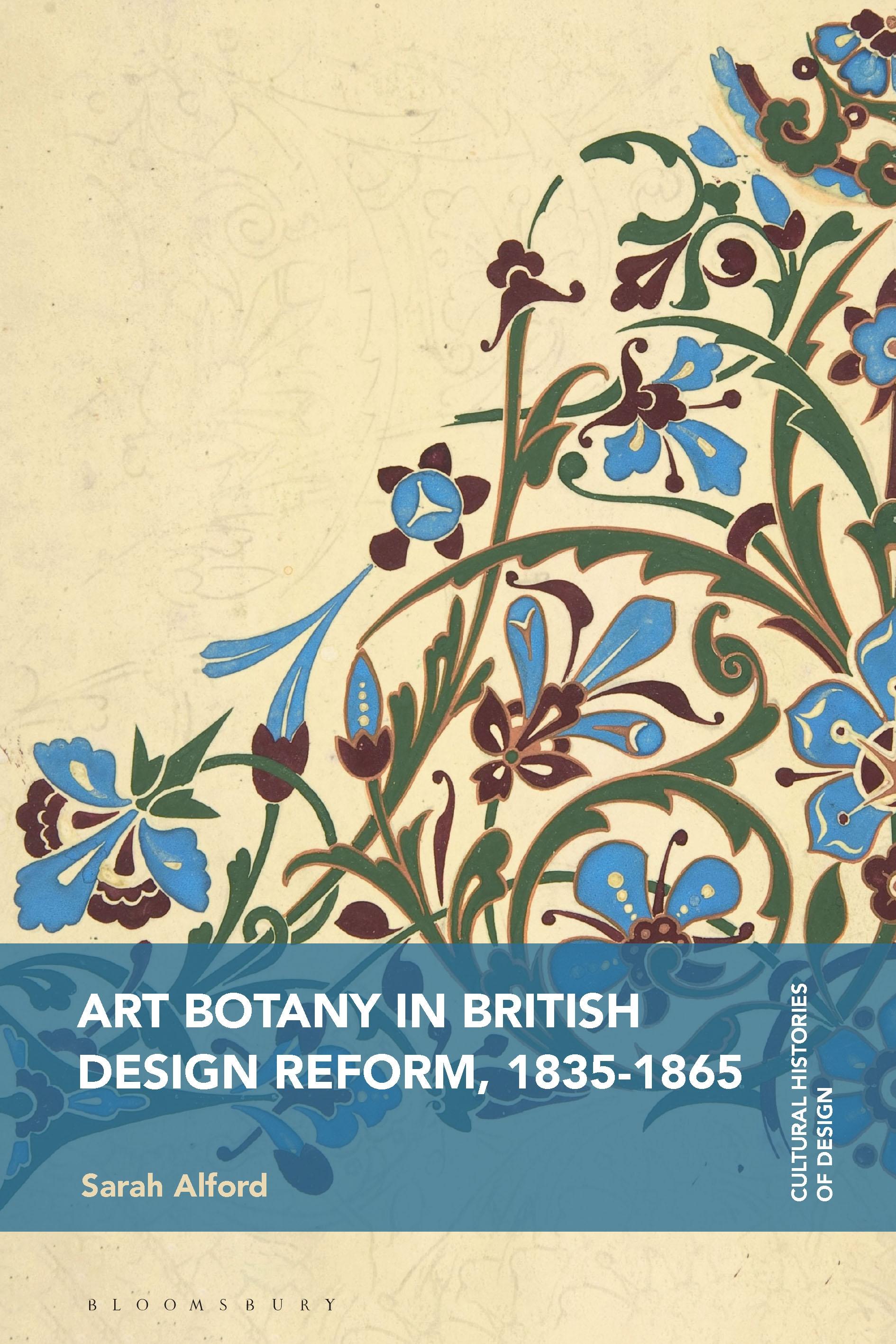
Drawing on the fields of design history and the history of science, this book examines the important role that botanical science played in the emergence of Victorian design theory.
In early 19th-century Britain, a rapid influx of plants from other countries began to confuse the orders of classification. As these new specimens arrived in nurseries and conservatories, botanists revised and promoted a new taxonomy: the Natural System. In parallel, in 1835, British manufacturers faced a government inquiry in order to improve the output of the British design industry. They needed a nationally identifiable design aesthetic and the inquiry led to the creation of the Government Schools of Design and the Design Reform movement. This book explores how, whilst botanists used drawings to clarify new systems of plant classification, designers learnt 'art botany', the practice of basing decorative form and ornament on the hidden, natural laws that govern plant growth and structure. Design reformers used botany as a model for how to create and identify what is new and incorporate it into what was already familiar and meaningful, all within the purview of developing a professional field of practice.
Sarah Alford provides a rich, interdisciplinary study of how the fields of design and botanical science came together. Through a framework of material culture, Alford sheds new light on the work of leading botanists, designers and illustrators such as Sarah Drake, John Lindley, Richard Redgrave, Owen Jones and Christopher Dresser. This book reveals how the designation of what design reformers deemed appropriate for the surface decoration of material structures as varied as carpets, jugs, wallpaper, and furniture, was an embrace of botanical science as a source of fantasy and imagination.
In early 19th-century Britain, a rapid influx of plants from other countries began to confuse the orders of classification. As these new specimens arrived in nurseries and conservatories, botanists revised and promoted a new taxonomy: the Natural System. In parallel, in 1835, British manufacturers faced a government inquiry in order to improve the output of the British design industry. They needed a nationally identifiable design aesthetic and the inquiry led to the creation of the Government Schools of Design and the Design Reform movement. This book explores how, whilst botanists used drawings to clarify new systems of plant classification, designers learnt 'art botany', the practice of basing decorative form and ornament on the hidden, natural laws that govern plant growth and structure. Design reformers used botany as a model for how to create and identify what is new and incorporate it into what was already familiar and meaningful, all within the purview of developing a professional field of practice.
Sarah Alford provides a rich, interdisciplinary study of how the fields of design and botanical science came together. Through a framework of material culture, Alford sheds new light on the work of leading botanists, designers and illustrators such as Sarah Drake, John Lindley, Richard Redgrave, Owen Jones and Christopher Dresser. This book reveals how the designation of what design reformers deemed appropriate for the surface decoration of material structures as varied as carpets, jugs, wallpaper, and furniture, was an embrace of botanical science as a source of fantasy and imagination.
Paga facilmente con carta, Klarna, Apple Pay o Google Pay. Non sei soddisfatto? Hai sempre 14 giorni per il rimborso. Leggi di più nei nostri termini. Per qualsiasi domanda, scrivici a hello@memmo.org.
Memmo rende lo studio più facile, ovunque tu sia nel mondo. Qui trovi i tuoi libri di testo e strumenti di studio intelligenti, tutto in un unico posto: riassunti, quiz, podcast e flashcard. E poi c'è Ted, il tuo compagno di studio che risponde a ogni tua domanda. Oltre 50.000 studenti studiano già qui: è stato creato per aiutarti a imparare più velocemente e a stressarti meno.