
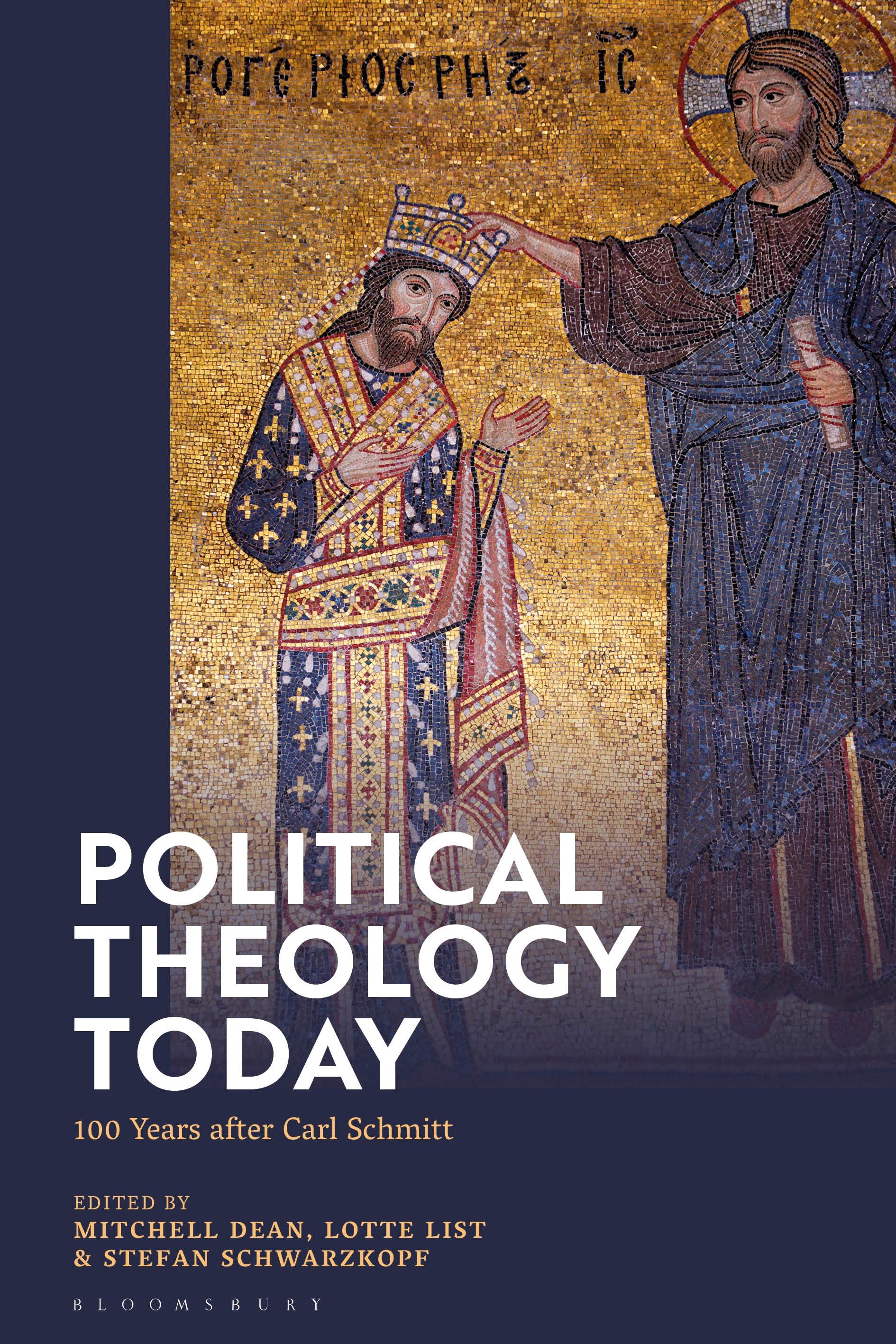
Almost 100 years have passed since Carl Schmitt gave his controversial definition of the sovereign as the one who decides on the exception in his by now classic Political Theology (1922). Written at a time of crisis, the book sought to establish the institution of sovereignty, not from within a well-functioning governing machine of the state in a situation of normality, but rather as the minimal condition of state order in the moment of governmental breakdown. The book appeared anachronistic already at its publication. Schmitt went against Max Weber's popular thesis defining secularization as a disenchantment of the world characterizing modern societies, and instead suggested that the concepts of modern politics mirrored a metaphysics originating in Christianity and the church. Nevertheless, the concept of political theology has in recent years seen a revival as a field of research in philosophy as well as political theory, as studies in the theological sub-currents of politics, economics and sociality proliferate.
Paga facilmente con carta, Klarna, Apple Pay o Google Pay. Non sei soddisfatto? Hai sempre 14 giorni per il rimborso. Leggi di più nei nostri termini. Per qualsiasi domanda, scrivici a hello@memmo.org.
Memmo rende lo studio più facile, ovunque tu sia nel mondo. Qui trovi i tuoi libri di testo e strumenti di studio intelligenti, tutto in un unico posto: riassunti, quiz, podcast e flashcard. E poi c'è Ted, il tuo compagno di studio che risponde a ogni tua domanda. Oltre 50.000 studenti studiano già qui: è stato creato per aiutarti a imparare più velocemente e a stressarti meno.