
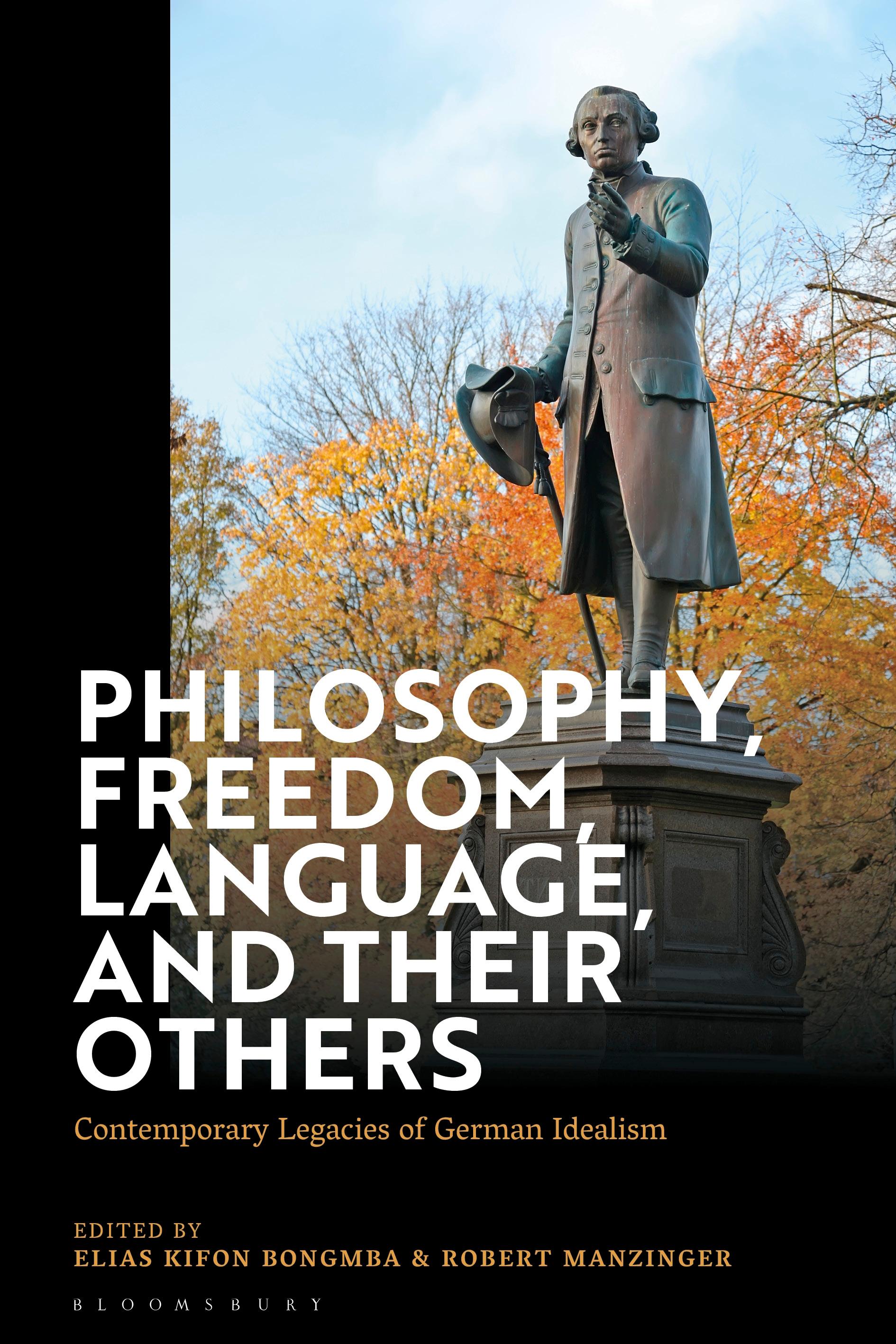
Kantian and Hegelian conceptions of freedom guide this collection of essays that engage with the linguistic turn in continental philosophy to explore contemporary interpretations of freedom. Using a broad approach to the tradition of German Idealism, this volume considers its modern recasting of philosophy as a rigorous thinking practice with profound implications for individual and communal praxis and wellbeing.
Philosophy, Freedom, Language, and its Others further cultivates and demonstrates the freedom to think and engage philosophy in a critical dialogue with other fields of inquiry. This method is exemplified in the philosophy and teaching of Professor Jere P. Surber, whom this book honors by using his interdisciplinary method as a springboard for new understandings of freedom in contemporary life.
Expert scholars working in the philosophy of language, continental philosophy of religion, ancient philosophy, critical theory, and ethics engage seminal thinkers on freedom including Plato, Kant, Hegel, Kierkegaard, and Debord to provide a diverse range of perspectives on freedom. In so doing, they address the complex legacy of philosophical freedom across subjects from contemporary media and political patrimonial culture to literary imagination and the politics of Nelson Mandela.
Philosophy, Freedom, Language, and its Others further cultivates and demonstrates the freedom to think and engage philosophy in a critical dialogue with other fields of inquiry. This method is exemplified in the philosophy and teaching of Professor Jere P. Surber, whom this book honors by using his interdisciplinary method as a springboard for new understandings of freedom in contemporary life.
Expert scholars working in the philosophy of language, continental philosophy of religion, ancient philosophy, critical theory, and ethics engage seminal thinkers on freedom including Plato, Kant, Hegel, Kierkegaard, and Debord to provide a diverse range of perspectives on freedom. In so doing, they address the complex legacy of philosophical freedom across subjects from contemporary media and political patrimonial culture to literary imagination and the politics of Nelson Mandela.
Paga facilmente con carta, Klarna, Apple Pay o Google Pay. Non sei soddisfatto? Hai sempre 14 giorni per il rimborso. Leggi di più nei nostri termini. Per qualsiasi domanda, scrivici a hello@memmo.org.
Memmo rende lo studio più facile, ovunque tu sia nel mondo. Qui trovi i tuoi libri di testo e strumenti di studio intelligenti, tutto in un unico posto: riassunti, quiz, podcast e flashcard. E poi c'è Ted, il tuo compagno di studio che risponde a ogni tua domanda. Oltre 50.000 studenti studiano già qui: è stato creato per aiutarti a imparare più velocemente e a stressarti meno.