
How can design shine a light on humanity's relationship with the planet, its ecosystems and inhabitants, now and in the future?
Global challenges like climate change and ecosystem degradation are proving that a singular disciplinary approach is inadequate to respond to issues where societal behaviours, individual choices, political decisions, economic, technological and scientific developments are so densely entangled - not least in design. But what happens when we turn things around and decentre “the human” to look at our relationship with the planet, its ecosystems and inhabitants beyond the capitalist human-nature binary worldview?
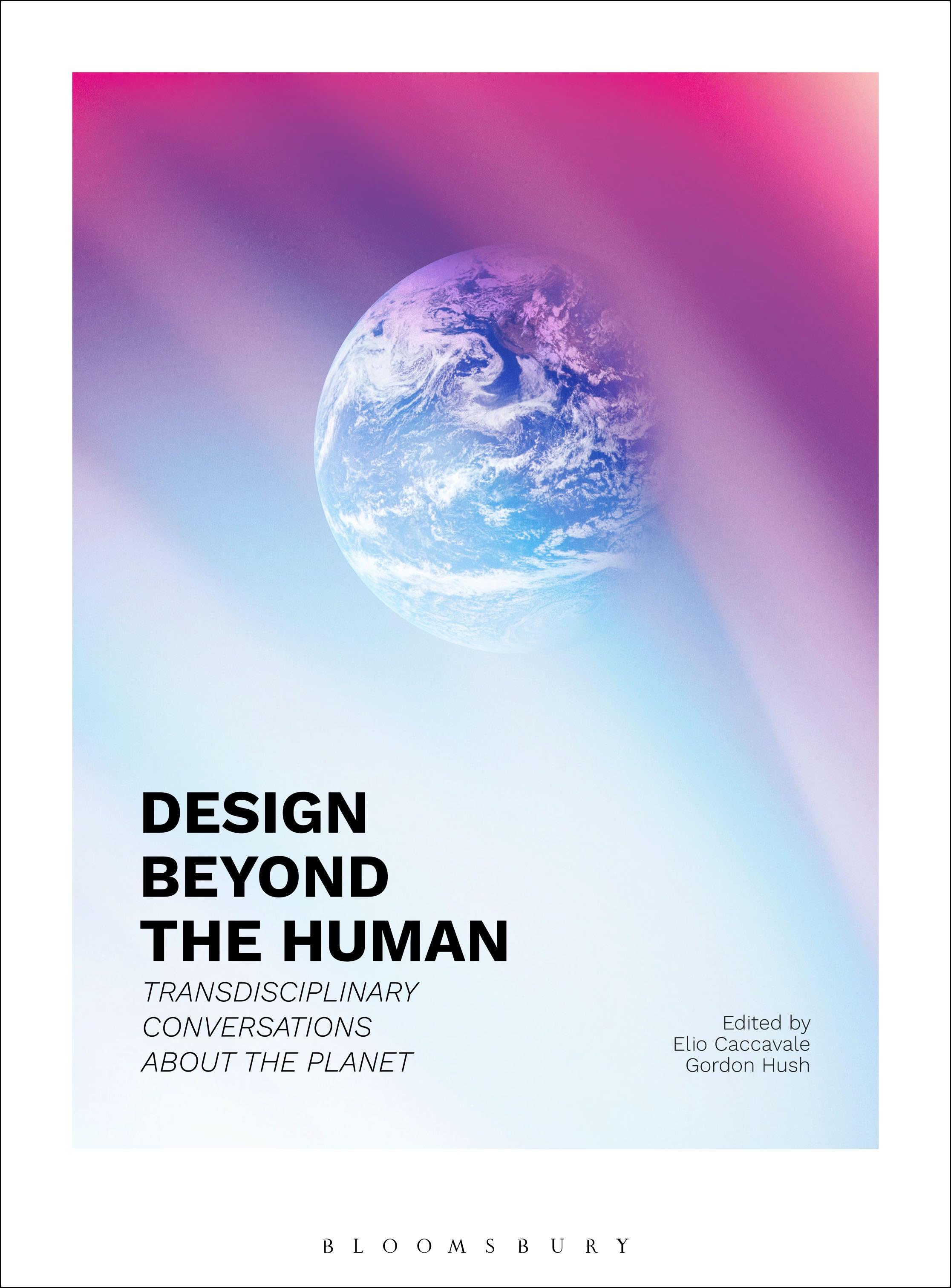
Design Beyond the Human is a collection of essays by international scholars, designers and engaged citizens traversing activism, anthropology, conservation, creative writing, design practice, design theory, economics, education, environmental humanities, ethics, history, indigenous knowledge, law, philosophy, poetry, politics, regenerative agriculture, science, sociology and technology. Divided into three sections - We Are Not Alone, Design Beyond the Human, and Mediating Human–Non-Human Relations Through Design - the text generates conversations capable of thinking about life on planet Earth, challenging the Anglo-European anthropocentric conceptualisation of design that dominates practice, education, and academic discourse. Each section is unique: charting the transdisciplinary cultural perspective that is required to comprehend our predicament, the critique of human-centred design and its interdependence with capitalism, and the nascent practices and projects that are attempting to reconcile humanity's possible relationship with the planet, its ecosystems and inhabitants.
The book offers the reader an opportunity to engage with expertise, knowledge, methodologies and lived experiences from across disciplines shaped by shared concerns and provides an opportunity to question if design in a more-than-human way might reimagine design's relationship to capitalism and contemporary lifestyles. Will our planetary future be merely an ecologically aware version of today, or, in going beyond the human, might we develop a transdisciplinary perspective capable of imagining an alternative vision of life on Earth?
Global challenges like climate change and ecosystem degradation are proving that a singular disciplinary approach is inadequate to respond to issues where societal behaviours, individual choices, political decisions, economic, technological and scientific developments are so densely entangled - not least in design. But what happens when we turn things around and decentre “the human” to look at our relationship with the planet, its ecosystems and inhabitants beyond the capitalist human-nature binary worldview?
Design Beyond the Human is a collection of essays by international scholars, designers and engaged citizens traversing activism, anthropology, conservation, creative writing, design practice, design theory, economics, education, environmental humanities, ethics, history, indigenous knowledge, law, philosophy, poetry, politics, regenerative agriculture, science, sociology and technology. Divided into three sections - We Are Not Alone, Design Beyond the Human, and Mediating Human–Non-Human Relations Through Design - the text generates conversations capable of thinking about life on planet Earth, challenging the Anglo-European anthropocentric conceptualisation of design that dominates practice, education, and academic discourse. Each section is unique: charting the transdisciplinary cultural perspective that is required to comprehend our predicament, the critique of human-centred design and its interdependence with capitalism, and the nascent practices and projects that are attempting to reconcile humanity's possible relationship with the planet, its ecosystems and inhabitants.
The book offers the reader an opportunity to engage with expertise, knowledge, methodologies and lived experiences from across disciplines shaped by shared concerns and provides an opportunity to question if design in a more-than-human way might reimagine design's relationship to capitalism and contemporary lifestyles. Will our planetary future be merely an ecologically aware version of today, or, in going beyond the human, might we develop a transdisciplinary perspective capable of imagining an alternative vision of life on Earth?
Paga facilmente con carta, Klarna, Apple Pay o Google Pay. Non sei soddisfatto? Hai sempre 14 giorni per il rimborso. Leggi di più nei nostri termini. Per qualsiasi domanda, scrivici a hello@memmo.org.
Memmo rende lo studio più facile, ovunque tu sia nel mondo. Qui trovi i tuoi libri di testo e strumenti di studio intelligenti, tutto in un unico posto: riassunti, quiz, podcast e flashcard. E poi c'è Ted, il tuo compagno di studio che risponde a ogni tua domanda. Oltre 50.000 studenti studiano già qui: è stato creato per aiutarti a imparare più velocemente e a stressarti meno.