
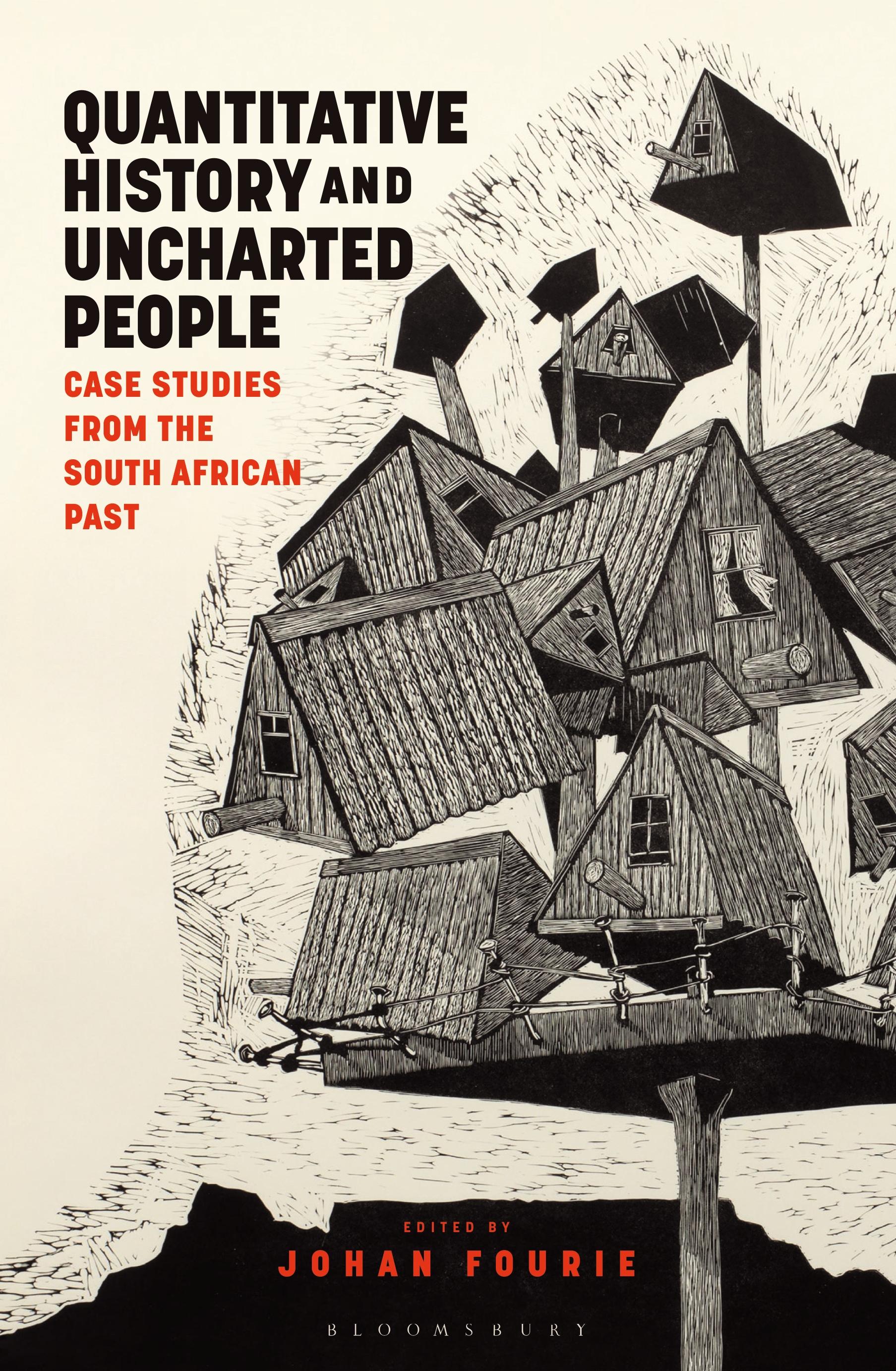
One of the biggest challenges in the study of history is the unreliable nature of traditional archival sources which omit histories of marginalised groups. This book makes the case that quantitative history offers a way to fill these gaps in the archive.
Showcasing 13 case studies from the South African past, it applies quantitative sources, tools and methods to social histories from below to uncover the experiences of unchartered peoples. Examining the occupations of slaves, victims of the Spanish flu, health of schoolchildren and more, it shows how quantitative tools can be particularly powerful in regions where historical records are preserved, but questions of bias and prejudice pervade. Applying methods such as GIS mapping, network analysis and algorithmic matching techniques it explores histories of indigenous peoples, women, enslaved peoples and other groups marginalised in South African history.
Connecting quantitative sources and new forms of data interpretation with a narrative social history, this book offers a fresh approach to quantitative methods and shows how they can be used to achieve a more complete picture of the past.
Showcasing 13 case studies from the South African past, it applies quantitative sources, tools and methods to social histories from below to uncover the experiences of unchartered peoples. Examining the occupations of slaves, victims of the Spanish flu, health of schoolchildren and more, it shows how quantitative tools can be particularly powerful in regions where historical records are preserved, but questions of bias and prejudice pervade. Applying methods such as GIS mapping, network analysis and algorithmic matching techniques it explores histories of indigenous peoples, women, enslaved peoples and other groups marginalised in South African history.
Connecting quantitative sources and new forms of data interpretation with a narrative social history, this book offers a fresh approach to quantitative methods and shows how they can be used to achieve a more complete picture of the past.
Paga facilmente con carta, Klarna, Apple Pay o Google Pay. Non sei soddisfatto? Hai sempre 14 giorni per il rimborso. Leggi di più nei nostri termini. Per qualsiasi domanda, scrivici a hello@memmo.org.
Memmo rende lo studio più facile, ovunque tu sia nel mondo. Qui trovi i tuoi libri di testo e strumenti di studio intelligenti, tutto in un unico posto: riassunti, quiz, podcast e flashcard. E poi c'è Ted, il tuo compagno di studio che risponde a ogni tua domanda. Oltre 50.000 studenti studiano già qui: è stato creato per aiutarti a imparare più velocemente e a stressarti meno.