
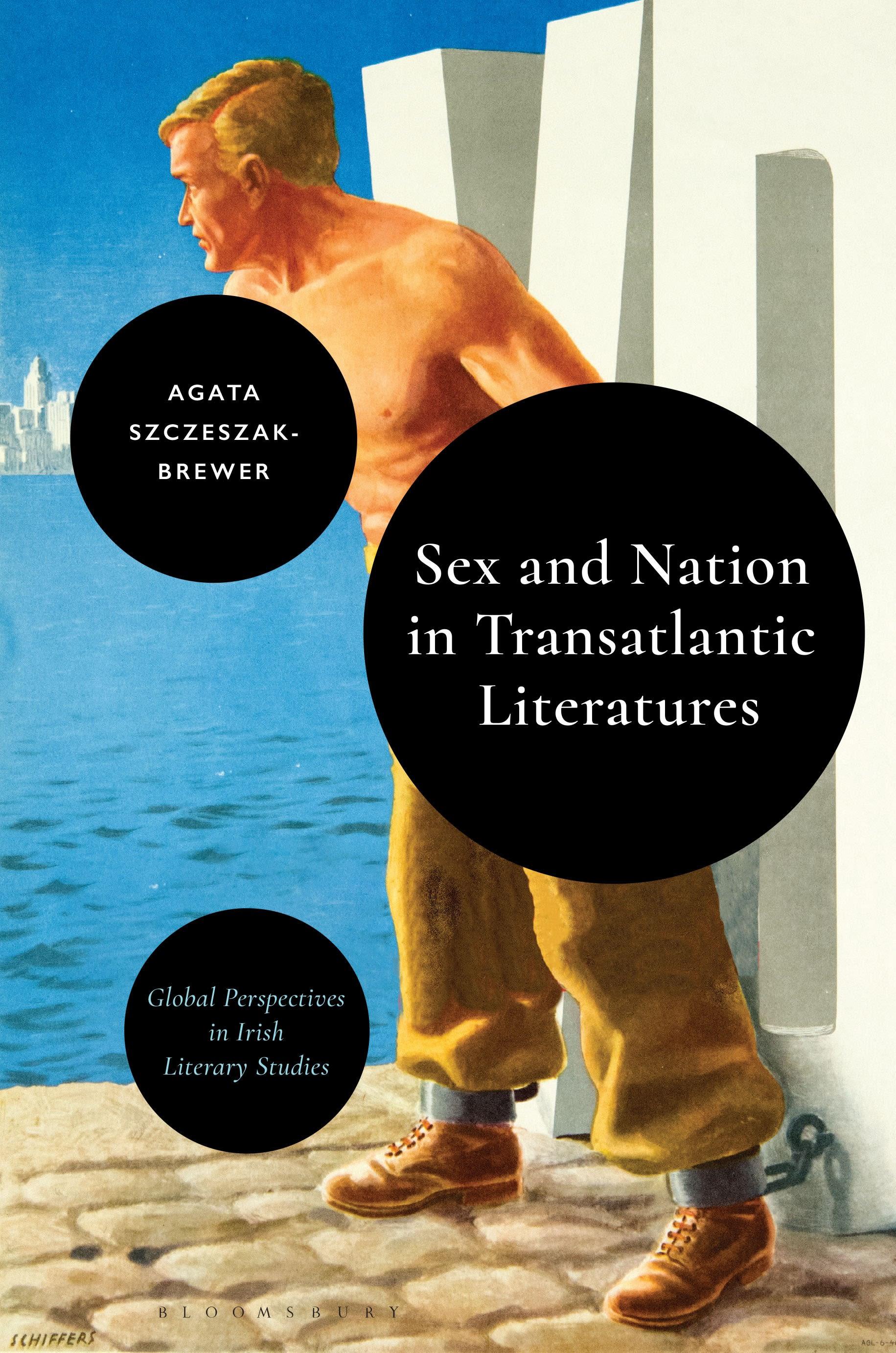
Nationalist and tribal cohesion in Ireland, South Africa, the US, and elsewhere often relies on an absence of female and gender-nonconforming bodies in the public life.
Staging a vital counter-narrative to global nationalist discourses, this book explores how 20th and 21st-century postcolonial literatures criticize hetero-normative definitions of nationhood across different geopolitical and cultural contexts.
Szczeszak-Brewer delves into the metaphorical currency of male impotence and sexual aggression in nationalist narratives. She examines the place of gender-nonconforming characters in literature from Ireland, the US, Poland, France, Britain, South Africa, and Senegal, in the work of writers including: James Joyce, Witold Gombrowicz, Jean Toomer, Bessie Head, Zoë Wicomb, J. M. Coetzee, Andrea Levy, Patrick McCabe, and David Diop.
Aligning queer and gender perspectives with discussions of white supremacy, this book examines the urgency for contemporary geopolitics to imagine new discourses of community against the backdrop of a rise in neo-nationalisms steeped in homophobic and misogynistic rhetoric.
Staging a vital counter-narrative to global nationalist discourses, this book explores how 20th and 21st-century postcolonial literatures criticize hetero-normative definitions of nationhood across different geopolitical and cultural contexts.
Szczeszak-Brewer delves into the metaphorical currency of male impotence and sexual aggression in nationalist narratives. She examines the place of gender-nonconforming characters in literature from Ireland, the US, Poland, France, Britain, South Africa, and Senegal, in the work of writers including: James Joyce, Witold Gombrowicz, Jean Toomer, Bessie Head, Zoë Wicomb, J. M. Coetzee, Andrea Levy, Patrick McCabe, and David Diop.
Aligning queer and gender perspectives with discussions of white supremacy, this book examines the urgency for contemporary geopolitics to imagine new discourses of community against the backdrop of a rise in neo-nationalisms steeped in homophobic and misogynistic rhetoric.
Paga facilmente con carta, Klarna, Apple Pay o Google Pay. Non sei soddisfatto? Hai sempre 14 giorni per il rimborso. Leggi di più nei nostri termini. Per qualsiasi domanda, scrivici a hello@memmo.org.
Memmo rende lo studio più facile, ovunque tu sia nel mondo. Qui trovi i tuoi libri di testo e strumenti di studio intelligenti, tutto in un unico posto: riassunti, quiz, podcast e flashcard. E poi c'è Ted, il tuo compagno di studio che risponde a ogni tua domanda. Oltre 50.000 studenti studiano già qui: è stato creato per aiutarti a imparare più velocemente e a stressarti meno.