
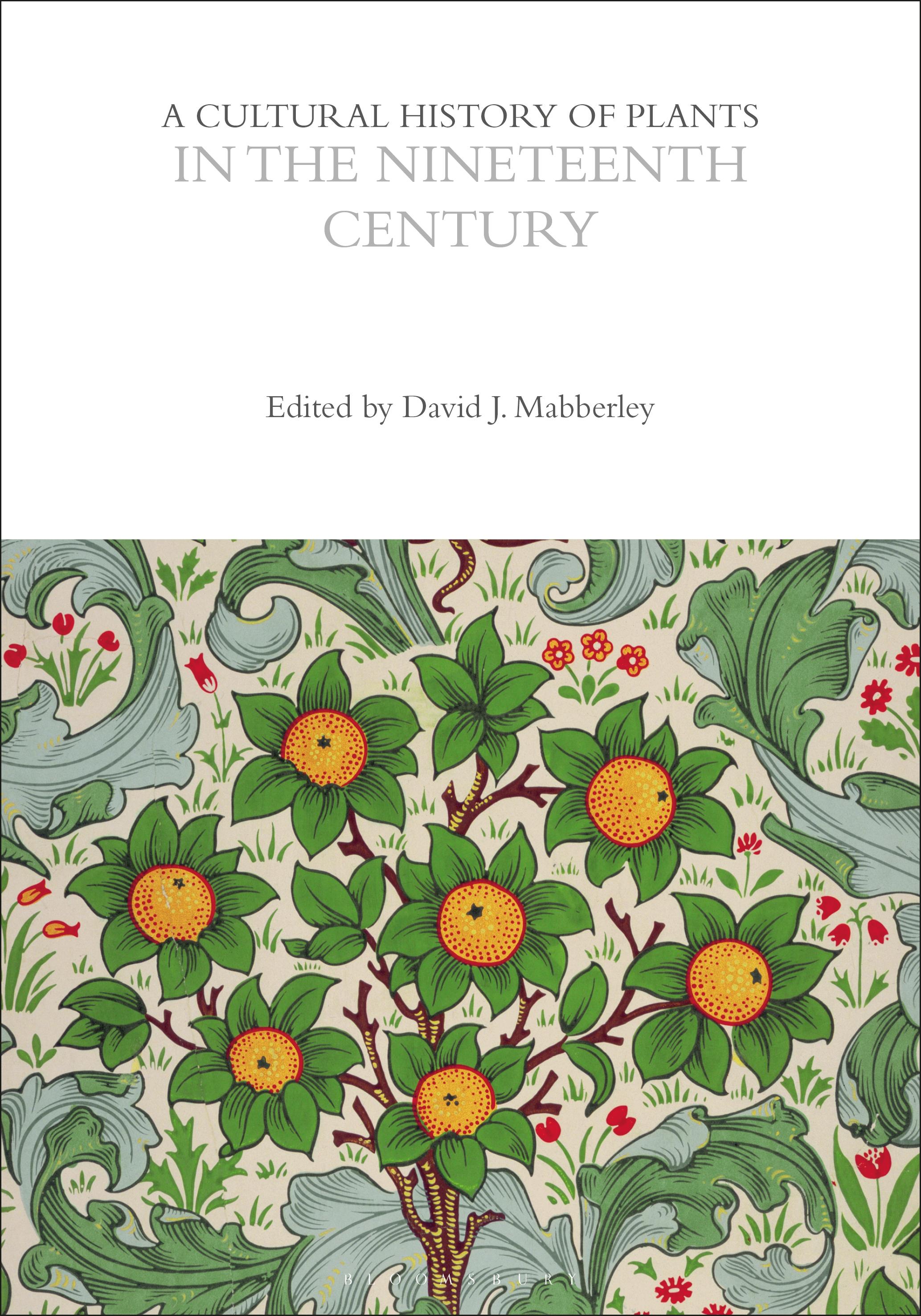
A Cultural History of Plants in the Nineteenth Century covers the period from 1800 to 1920, a time of astonishing growth in industrialization, urbanization, migration, population growth, colonial possessions, and developments in scientific knowledge. As European modes of civilization and cultivation were exported worldwide, botanical study was revolutionized – through the work of Charles Darwin and many others – and the new science of biology was born, based on cells, nuclei and molecules. As Darwinism took hold, plants came to be seen as a way of thinking about the connectivity of nature and life itself.
The 6 volume set of the Cultural History of Plants presents the first comprehensive history of the uses and meanings of plants from prehistory to today. The themes covered in each volume are plants as staple foods; plants as luxury foods; trade and exploration; plant technology and science; plants and medicine; plants in culture; plants as natural ornaments; the representation of plants.
David Mabberley is Emeritus Fellow at Wadham College, University of Oxford, UK; Emeritus Professor at the University of Leiden, The Netherlands; and Adjunct Professor at Macquarie University, Australia.
Volume 5 in the Cultural History of Plants set.
General Editors: Annette Giesecke, University of Delaware, USA, and David Mabberley, University of Oxford, UK.
The 6 volume set of the Cultural History of Plants presents the first comprehensive history of the uses and meanings of plants from prehistory to today. The themes covered in each volume are plants as staple foods; plants as luxury foods; trade and exploration; plant technology and science; plants and medicine; plants in culture; plants as natural ornaments; the representation of plants.
David Mabberley is Emeritus Fellow at Wadham College, University of Oxford, UK; Emeritus Professor at the University of Leiden, The Netherlands; and Adjunct Professor at Macquarie University, Australia.
Volume 5 in the Cultural History of Plants set.
General Editors: Annette Giesecke, University of Delaware, USA, and David Mabberley, University of Oxford, UK.
Paga facilmente con carta, Klarna, Apple Pay o Google Pay. Non sei soddisfatto? Hai sempre 14 giorni per il rimborso. Leggi di più nei nostri termini. Per qualsiasi domanda, scrivici a hello@memmo.org.
Memmo rende lo studio più facile, ovunque tu sia nel mondo. Qui trovi i tuoi libri di testo e strumenti di studio intelligenti, tutto in un unico posto: riassunti, quiz, podcast e flashcard. E poi c'è Ted, il tuo compagno di studio che risponde a ogni tua domanda. Oltre 50.000 studenti studiano già qui: è stato creato per aiutarti a imparare più velocemente e a stressarti meno.