
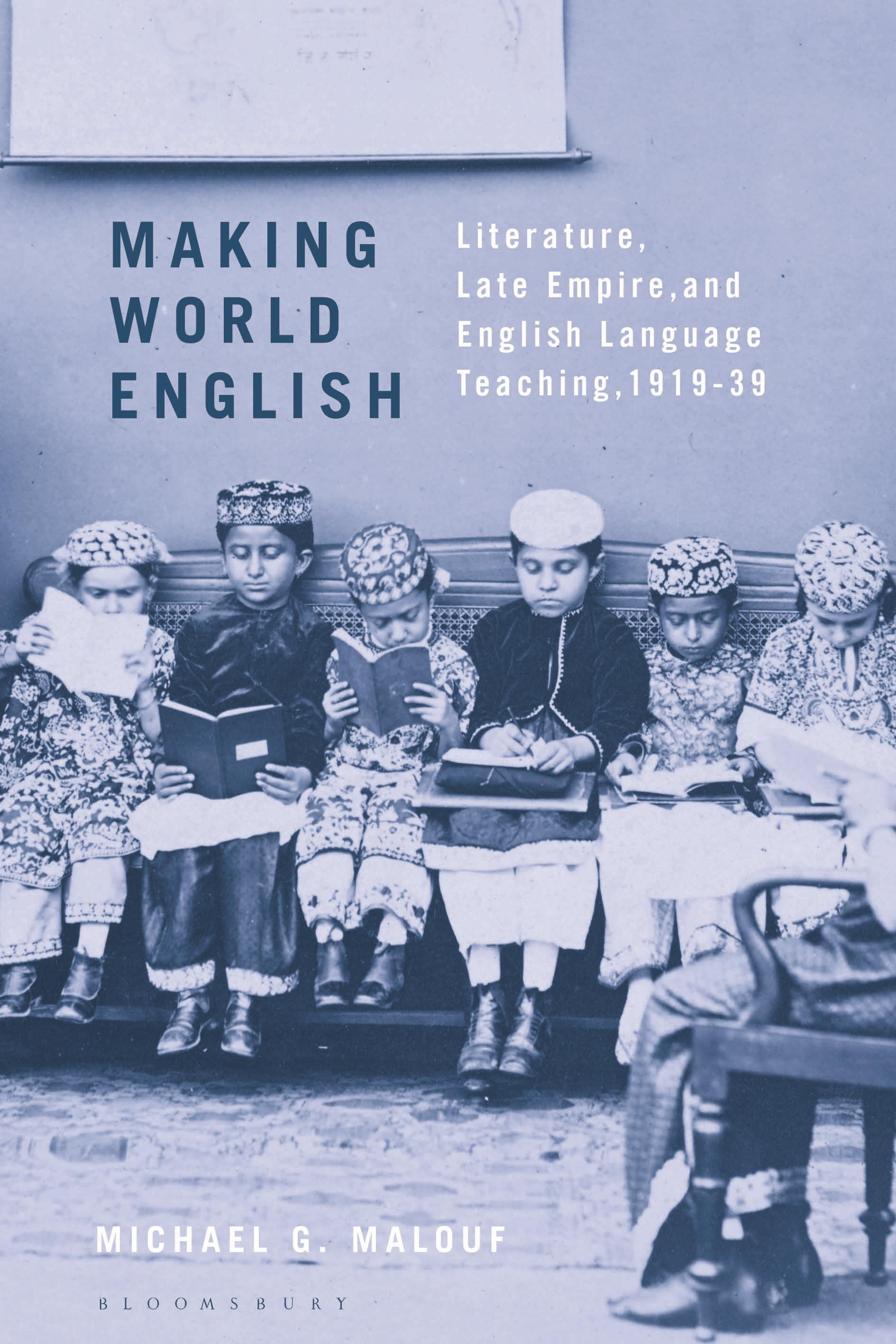
Uncovering the role of literature, late imperialism, and the rise of new models of internationalism as integral to the invention of Global English, this book focuses on three key figures from the “Vocabulary Control Movement” - C.K. Ogden, Harold Palmer, and Michael West - who competed for market share for their respective language teaching systems - Basic English, the Palmer Method, and the New Method - through battles over word lists and teaching methods in the 1920s and 30s.
Drawing on archives from the Carnegie Corporation and considering language teaching in eight global sites, this book analyzes how a series of conferences in New York and London resolved their conflicts and produced a consolidated, international standard form of English. As a postcolonial approach to the development of the field of English Language Teaching, it reveals how these language debates were proxy battles over an idealized global subject: an urban, secular, consumer moving seamlessly between the tribal and global, speaking both mother tongues and an international lingua franca, Global English.
Featuring analysis of the primary texts of each of the three key figures in this book as well as close readings of their readers, which featured adaptations of well-known literary texts from writers like Poe, Dickens, Wordsworth, Milton and Wells, it recovers a neglected history of English as it was redefined as an international language through anti-colonial resistance in the peripheries and transatlantic power struggles in the metropole during the interwar period.
Drawing on archives from the Carnegie Corporation and considering language teaching in eight global sites, this book analyzes how a series of conferences in New York and London resolved their conflicts and produced a consolidated, international standard form of English. As a postcolonial approach to the development of the field of English Language Teaching, it reveals how these language debates were proxy battles over an idealized global subject: an urban, secular, consumer moving seamlessly between the tribal and global, speaking both mother tongues and an international lingua franca, Global English.
Featuring analysis of the primary texts of each of the three key figures in this book as well as close readings of their readers, which featured adaptations of well-known literary texts from writers like Poe, Dickens, Wordsworth, Milton and Wells, it recovers a neglected history of English as it was redefined as an international language through anti-colonial resistance in the peripheries and transatlantic power struggles in the metropole during the interwar period.
Pagine: 296
Categoria: Kultur-, Genus- & Postkoloniala studier
e-ISBN: 9781350243873
Peso di spedizione: 1.2 kg
Spedito in: 1-2 giorni
Paga facilmente con carta, Klarna, Apple Pay o Google Pay. Non sei soddisfatto? Hai sempre 14 giorni per il rimborso. Leggi di più nei nostri termini. Per qualsiasi domanda, scrivici a hello@memmo.org.
Memmo rende lo studio più facile, ovunque tu sia nel mondo. Qui trovi i tuoi libri di testo e strumenti di studio intelligenti, tutto in un unico posto: riassunti, quiz, podcast e flashcard. E poi c'è Ted, il tuo compagno di studio che risponde a ogni tua domanda. Oltre 50.000 studenti studiano già qui: è stato creato per aiutarti a imparare più velocemente e a stressarti meno.