
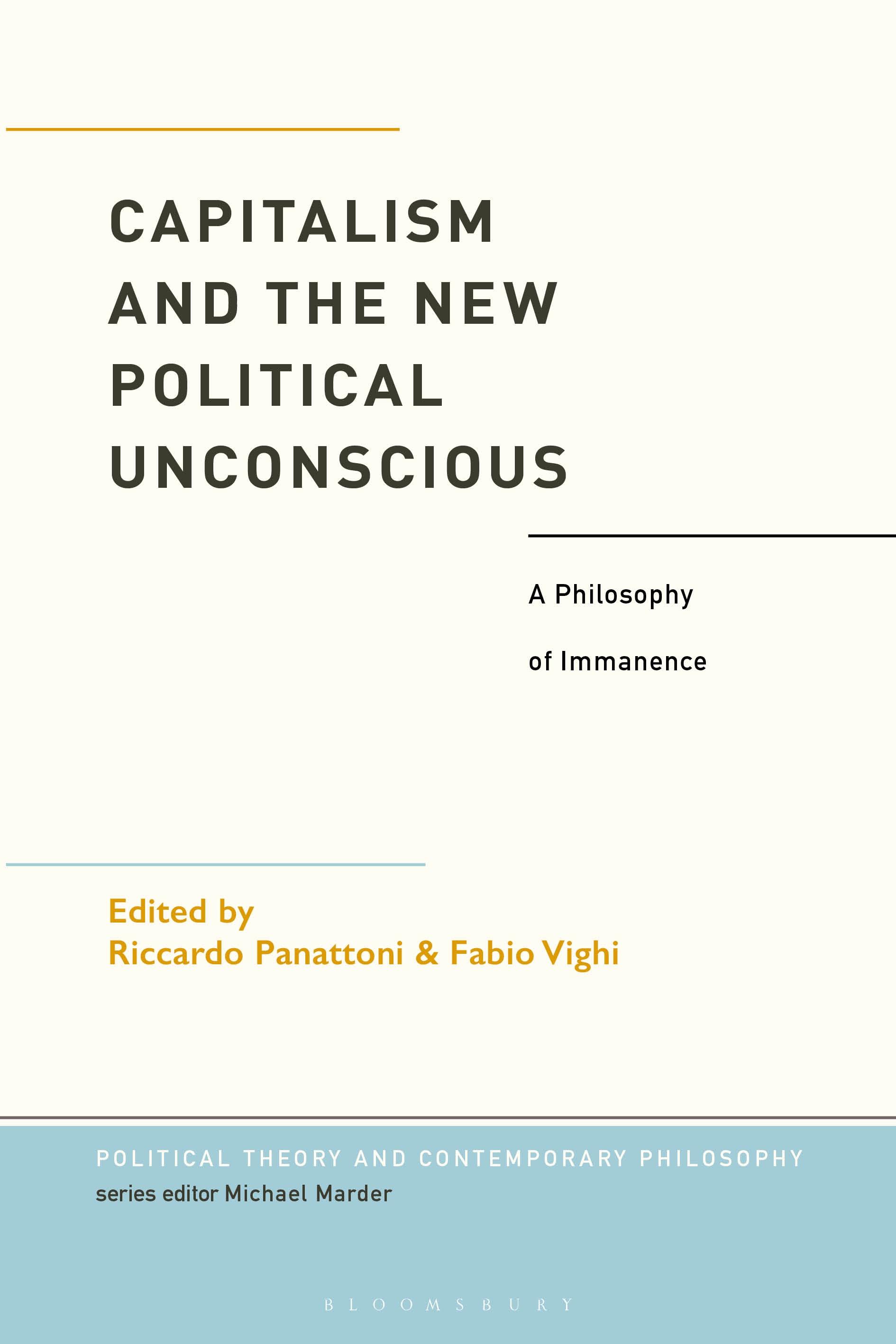
Taking seriously Jacques Lacan's claim that 'the unconscious is politics', this volume proposes a new understanding of political power, interrogating the assumption that contemporary capitalism functions by tapping into forms of unconscious enjoyment, rather than providing transcendental conditions for the articulation of political meanings and desires.
Whether we're aware of it or not, political communication today targets the audience's libidinal response through political and institutional language: in policies, speeches, tweets, social media appearances, gestures and images. Yet does this mean that current power structures no longer need symbolic or ideological frameworks? The authors in this volume think not. Far from demonstrating a shift to a post-ideological age, they argue instead that such methods inaugurate an altogether novel approach to political power.
Written by leading scholars from around the world, including Roberto Esposito and Slavoj Žižek, each chapter reflects on contemporary power and inspires consideration of new political potentialities, which our focus on politics in transcendental rather than immanent terms has thus far obscured. In so doing, Capitalism and the New Political Unconscious provides an original and forceful exploration of the centrality of both psychoanalytic theory and the philosophy of immanence to an alternative understanding of the political.
Whether we're aware of it or not, political communication today targets the audience's libidinal response through political and institutional language: in policies, speeches, tweets, social media appearances, gestures and images. Yet does this mean that current power structures no longer need symbolic or ideological frameworks? The authors in this volume think not. Far from demonstrating a shift to a post-ideological age, they argue instead that such methods inaugurate an altogether novel approach to political power.
Written by leading scholars from around the world, including Roberto Esposito and Slavoj Žižek, each chapter reflects on contemporary power and inspires consideration of new political potentialities, which our focus on politics in transcendental rather than immanent terms has thus far obscured. In so doing, Capitalism and the New Political Unconscious provides an original and forceful exploration of the centrality of both psychoanalytic theory and the philosophy of immanence to an alternative understanding of the political.
Paga facilmente con carta, Klarna, Apple Pay o Google Pay. Non sei soddisfatto? Hai sempre 14 giorni per il rimborso. Leggi di più nei nostri termini. Per qualsiasi domanda, scrivici a hello@memmo.org.
Memmo rende lo studio più facile, ovunque tu sia nel mondo. Qui trovi i tuoi libri di testo e strumenti di studio intelligenti, tutto in un unico posto: riassunti, quiz, podcast e flashcard. E poi c'è Ted, il tuo compagno di studio che risponde a ogni tua domanda. Oltre 50.000 studenti studiano già qui: è stato creato per aiutarti a imparare più velocemente e a stressarti meno.