
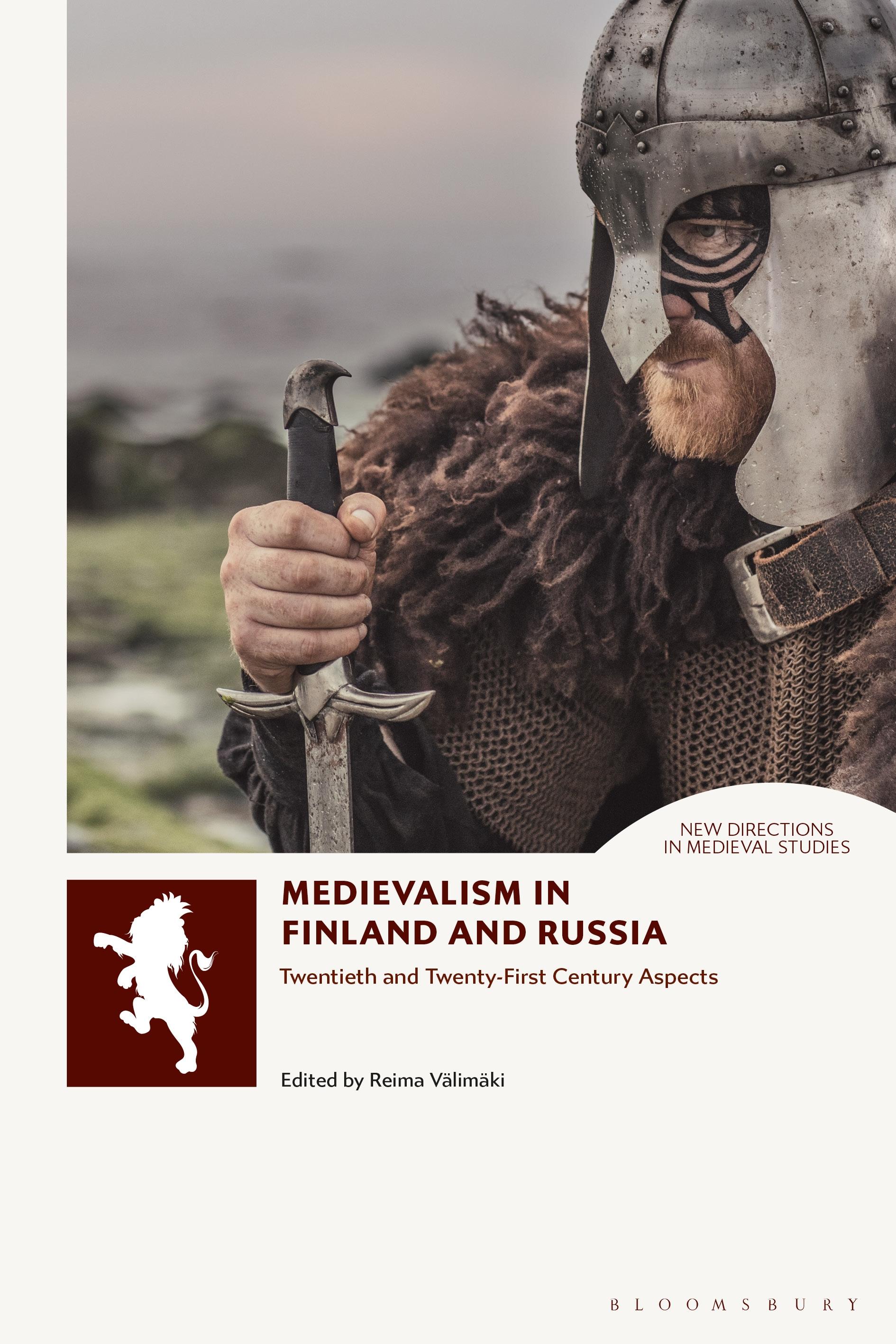
Since the end of the Cold War, the Middle Ages has returned to debates about history, culture, and politics in Northern and Eastern Europe. This volume explores political medievalism in two language areas that are crucial to understanding global medievalism but are, due to language barriers, often inaccessible to the majority of Western scholars and students.
The importance of Russian medievalism has been acknowledged, but little analysed until now. Medievalism in Finland and Russia offers a selection of chapters by Russian, Finnish and American scholars covering historiography, presidential speeches, participatory online discussions and the neo-pagan revival in Russia. Finland is currently even more poorly understood than Russia in the discussions about global medievalism. It is usually mentioned only as of the birthplace of the Soldiers of Odin. The street patrol is, however, a marginal phenomenon in Finnish medievalism as this volume demonstrates. Instead of merely adopting the medievalist interpretation of the international alt-right, even the right-wing populists in Finland refer more to the nationalistic medievalist tradition, where crusades do not mark a Western Christian victory over the Muslim East, but a Swedish occupation of Finnish lands. In addition to presenting particular cases of medievalism, the chapters here on Finland challenge and diversify today's prevailing interpretation of shared online medievalism of European and American right-wing populists.
This book reveals that while medievalisms in Finland and Russia share many features with the contemporary Anglo-American medievalist imaginations, they also display many original characteristics due to particular political situations and indigenous medievalist traditions. They have their own meta-medievalisms, cumulative core ideas and interpretations about the medieval past that are thoroughly examined here in English for the very first time.
The importance of Russian medievalism has been acknowledged, but little analysed until now. Medievalism in Finland and Russia offers a selection of chapters by Russian, Finnish and American scholars covering historiography, presidential speeches, participatory online discussions and the neo-pagan revival in Russia. Finland is currently even more poorly understood than Russia in the discussions about global medievalism. It is usually mentioned only as of the birthplace of the Soldiers of Odin. The street patrol is, however, a marginal phenomenon in Finnish medievalism as this volume demonstrates. Instead of merely adopting the medievalist interpretation of the international alt-right, even the right-wing populists in Finland refer more to the nationalistic medievalist tradition, where crusades do not mark a Western Christian victory over the Muslim East, but a Swedish occupation of Finnish lands. In addition to presenting particular cases of medievalism, the chapters here on Finland challenge and diversify today's prevailing interpretation of shared online medievalism of European and American right-wing populists.
This book reveals that while medievalisms in Finland and Russia share many features with the contemporary Anglo-American medievalist imaginations, they also display many original characteristics due to particular political situations and indigenous medievalist traditions. They have their own meta-medievalisms, cumulative core ideas and interpretations about the medieval past that are thoroughly examined here in English for the very first time.
Paga facilmente con carta, Klarna, Apple Pay o Google Pay. Non sei soddisfatto? Hai sempre 14 giorni per il rimborso. Leggi di più nei nostri termini. Per qualsiasi domanda, scrivici a hello@memmo.org.
Memmo rende lo studio più facile, ovunque tu sia nel mondo. Qui trovi i tuoi libri di testo e strumenti di studio intelligenti, tutto in un unico posto: riassunti, quiz, podcast e flashcard. E poi c'è Ted, il tuo compagno di studio che risponde a ogni tua domanda. Oltre 50.000 studenti studiano già qui: è stato creato per aiutarti a imparare più velocemente e a stressarti meno.