
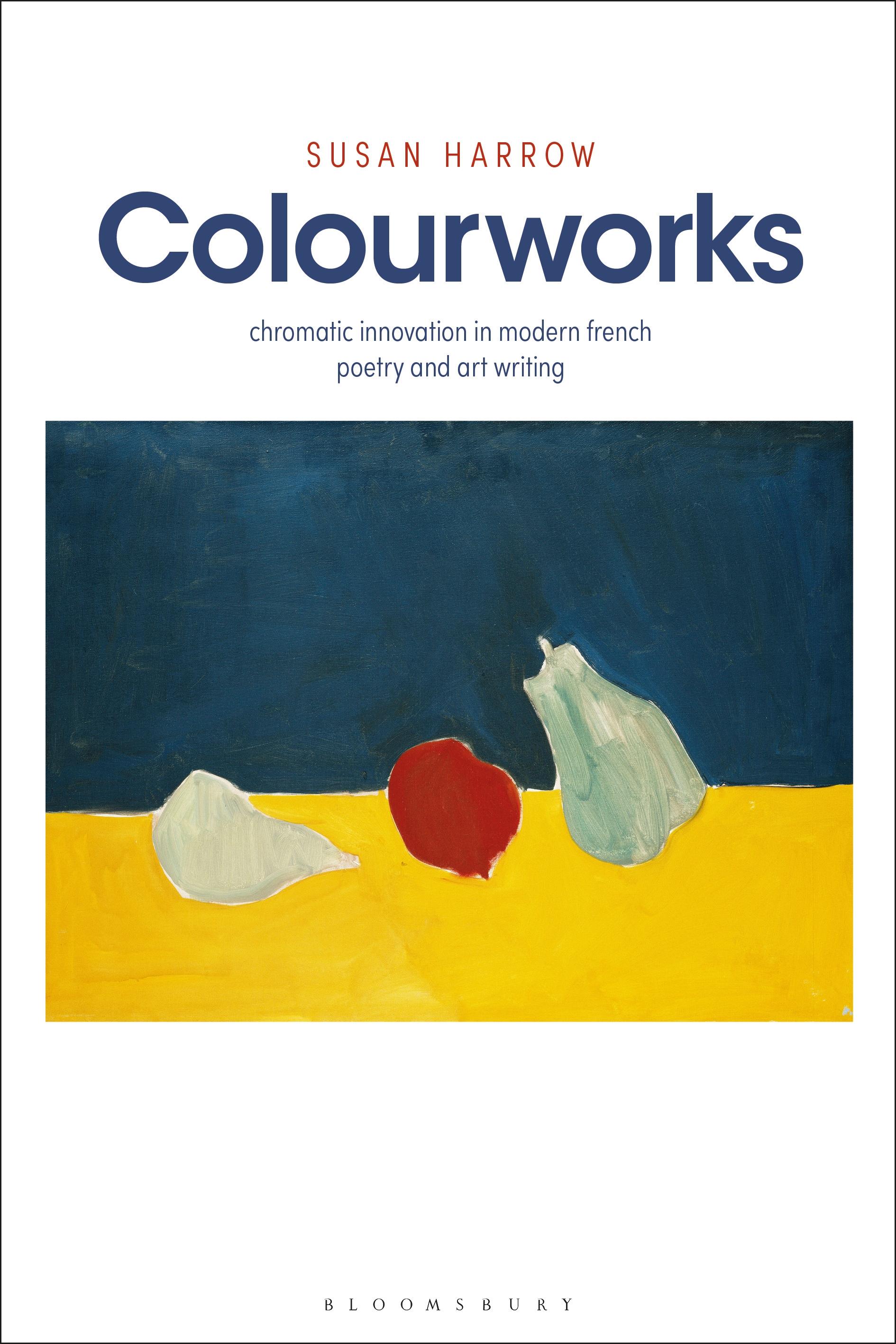
Shortlisted for the R. Gapper Book Prize 2022
How do modern writers write colour? How do today's readers respond to the invitation to 'think colour' as they read poetry and art writing, and explore paintings? To what extent can critical thought on colour in visual media illuminate the textual life of colour? These are some of the lines of enquiry pursued in this bold new study of modern poetry and art writing in French, where colour, Susan Harrow argues, is integral to the exploration of ethics, ekphrasis, objects, bodies, landscape and interiority.
The question of colour, in a variety of disciplines and media, has provoked debate from Aristotle to Goethe, and from Baudelaire to Derek Jarman. If the past twenty years have witnessed a 'colour turn' in contemporary cultural studies and screen research, colour values in literary and textual media are often elided or, simply, overlooked. Colourworks tackles this lacuna in the study of modern poetry and art writing in French, revealing the integral role of colour in the work of three iconic French writers in the modern tradition: Stéphane Mallarmé, Paul Valéry and Yves Bonnefoy. This book spans the broad modern period from the 1860s to the early twenty-first century in taking an exploratory approach to the visuality of the verbal medium through an adventurous reading of text and image. Harrow uncovers how colour moves and morphs in texts as it challenges the traditionalist containments of chromatic symbolism. Beyond its primary area of investigation in modern poetry and art writing in French, this richly colour-illustrated study has significant interdisciplinary implications-conceptual, methodological, and practical-for the study of visuality in humanities research, from literature studies to material and visual culture studies.
How do modern writers write colour? How do today's readers respond to the invitation to 'think colour' as they read poetry and art writing, and explore paintings? To what extent can critical thought on colour in visual media illuminate the textual life of colour? These are some of the lines of enquiry pursued in this bold new study of modern poetry and art writing in French, where colour, Susan Harrow argues, is integral to the exploration of ethics, ekphrasis, objects, bodies, landscape and interiority.
The question of colour, in a variety of disciplines and media, has provoked debate from Aristotle to Goethe, and from Baudelaire to Derek Jarman. If the past twenty years have witnessed a 'colour turn' in contemporary cultural studies and screen research, colour values in literary and textual media are often elided or, simply, overlooked. Colourworks tackles this lacuna in the study of modern poetry and art writing in French, revealing the integral role of colour in the work of three iconic French writers in the modern tradition: Stéphane Mallarmé, Paul Valéry and Yves Bonnefoy. This book spans the broad modern period from the 1860s to the early twenty-first century in taking an exploratory approach to the visuality of the verbal medium through an adventurous reading of text and image. Harrow uncovers how colour moves and morphs in texts as it challenges the traditionalist containments of chromatic symbolism. Beyond its primary area of investigation in modern poetry and art writing in French, this richly colour-illustrated study has significant interdisciplinary implications-conceptual, methodological, and practical-for the study of visuality in humanities research, from literature studies to material and visual culture studies.
Paga facilmente con carta, Klarna, Apple Pay o Google Pay. Non sei soddisfatto? Hai sempre 14 giorni per il rimborso. Leggi di più nei nostri termini. Per qualsiasi domanda, scrivici a hello@memmo.org.
Memmo rende lo studio più facile, ovunque tu sia nel mondo. Qui trovi i tuoi libri di testo e strumenti di studio intelligenti, tutto in un unico posto: riassunti, quiz, podcast e flashcard. E poi c'è Ted, il tuo compagno di studio che risponde a ogni tua domanda. Oltre 50.000 studenti studiano già qui: è stato creato per aiutarti a imparare più velocemente e a stressarti meno.