
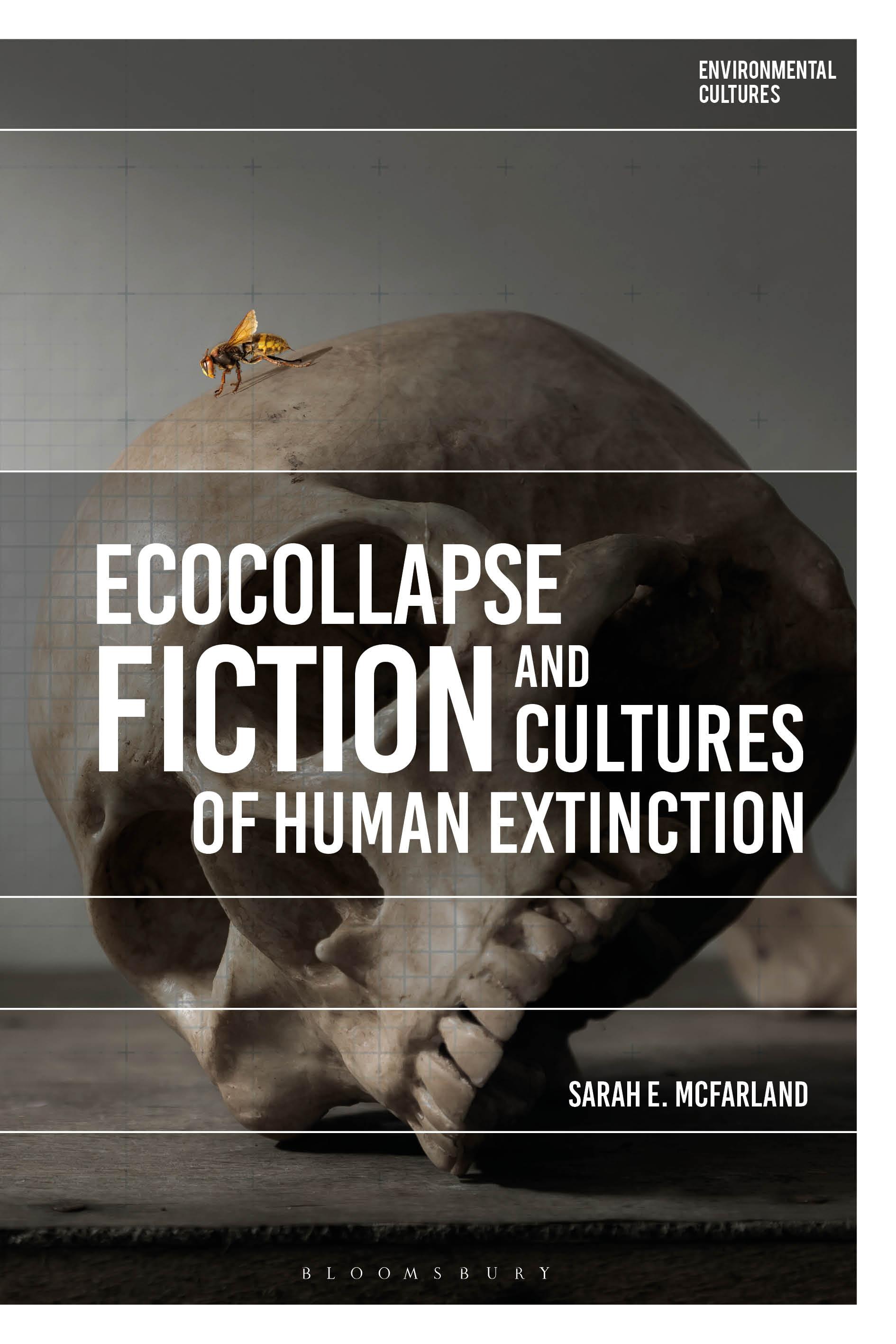
This work analyzes 21st-century realistic speculations of human extinction: fictions that imagine future worlds without interventions of as-yet uninvented technology, interplanetary travel, or other science fiction elements that provide hope for rescue or long-term survival. Climate change fiction as a genre of apocalyptic and post-apocalyptic writing usually resists facing the potentiality of human species extinction, following instead traditional generic conventions that imagine primitivist communities of human survivors with the means of escaping the consequences of global climate change. Yet amidst the ongoing sixth great extinction, works that problematize survival, provide no opportunities for social rebirth, and speculate humanity's final end may address the problem of how to reject the impulse of human exceptionalism that pervades climate change discourse and post-apocalyptic fiction.
Rather than following the preferences of the genre, the ecocollapse fictions examined here manifest apocalypse where the means for a happy ending no longer exists. In these texts, diminished ecosystems, specters of cannibalism, and disintegrations of difference and othering render human self-identity as radically malleable within their confrontations with the stark materiality of all life. This book is the first in-depth exploration of contemporary fictions that imagine the imbrication of human and nonhuman within global species extinctions. It closely interrogates novels from authors like Peter Heller, Cormac McCarthy and Yann Martel that reject the impulse of human exceptionalism to demonstrate what it might be like to go extinct.
Rather than following the preferences of the genre, the ecocollapse fictions examined here manifest apocalypse where the means for a happy ending no longer exists. In these texts, diminished ecosystems, specters of cannibalism, and disintegrations of difference and othering render human self-identity as radically malleable within their confrontations with the stark materiality of all life. This book is the first in-depth exploration of contemporary fictions that imagine the imbrication of human and nonhuman within global species extinctions. It closely interrogates novels from authors like Peter Heller, Cormac McCarthy and Yann Martel that reject the impulse of human exceptionalism to demonstrate what it might be like to go extinct.
Paga facilmente con carta, Klarna, Apple Pay o Google Pay. Non sei soddisfatto? Hai sempre 14 giorni per il rimborso. Leggi di più nei nostri termini. Per qualsiasi domanda, scrivici a hello@memmo.org.
Memmo rende lo studio più facile, ovunque tu sia nel mondo. Qui trovi i tuoi libri di testo e strumenti di studio intelligenti, tutto in un unico posto: riassunti, quiz, podcast e flashcard. E poi c'è Ted, il tuo compagno di studio che risponde a ogni tua domanda. Oltre 50.000 studenti studiano già qui: è stato creato per aiutarti a imparare più velocemente e a stressarti meno.