
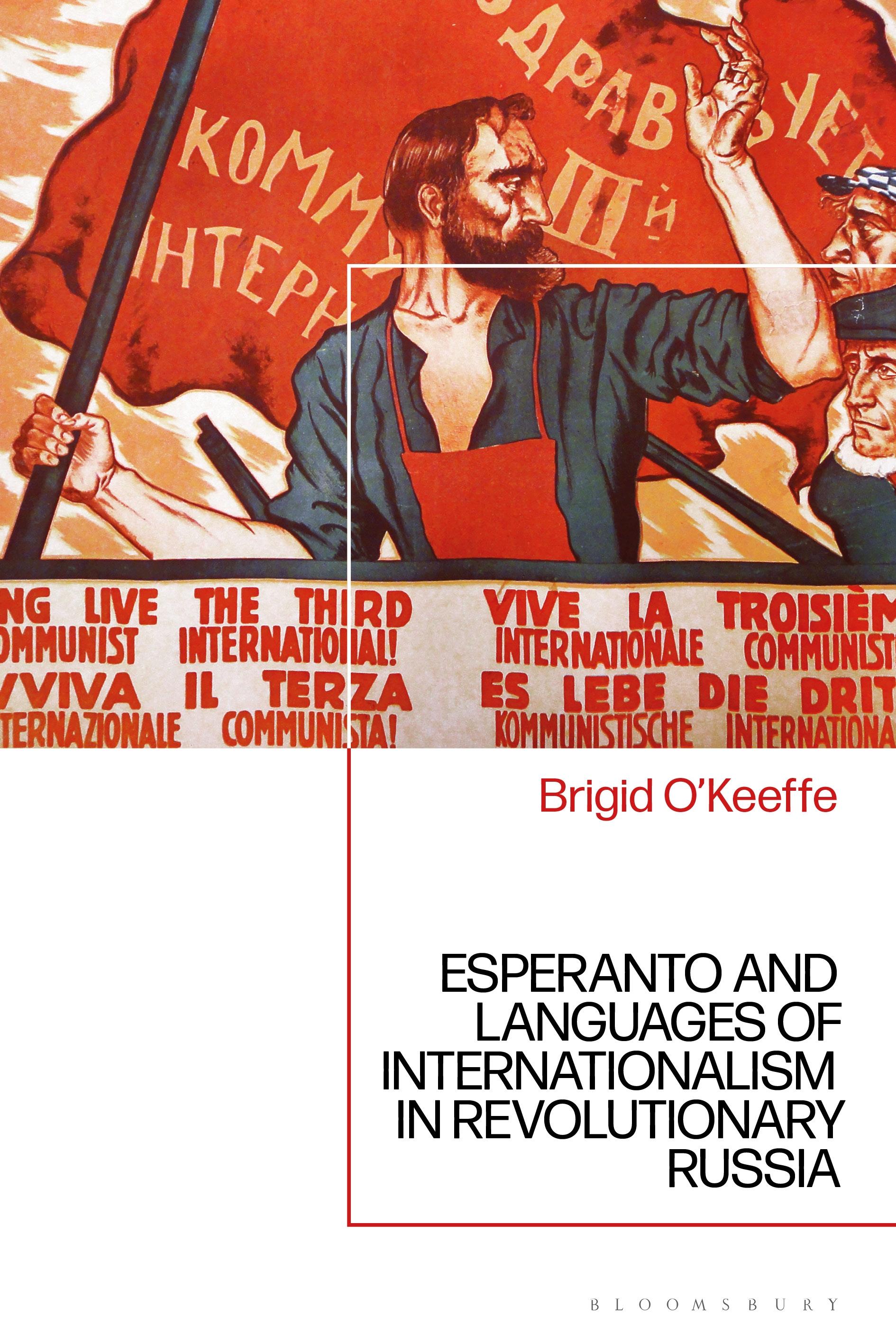
Winner of the 2022 Ab Imperio Award
Hoping to unite all of humankind and revolutionize the world, Ludwik Zamenhof launched a new international language called Esperanto from late imperial Russia in 1887. Ordinary men and women in Russia and all over the world soon transformed Esperanto into a global movement. Esperanto and Languages of Internationalism in Revolutionary Russia traces the history and legacy of this effort: from Esperanto's roots in the social turmoil of the pre-revolutionary Pale of Settlement; to its links to socialist internationalism and Comintern bids for world revolution; and, finally, to the demise of the Soviet Esperanto movement in the increasingly xenophobic Stalinist 1930s. In doing so, this book reveals how Esperanto – and global language politics more broadly – shaped revolutionary and early Soviet Russia.
Based on extensive archival materials, Brigid O'Keeffe's book provides the first in-depth exploration of Esperanto at grassroots level and sheds new light on a hitherto overlooked area of Russian history. As such, Esperanto and Languages of Internationalism in Revolutionary Russia will be of immense value to both historians of modern Russia and scholars of internationalism, transnational networks, and sociolinguistics.
Hoping to unite all of humankind and revolutionize the world, Ludwik Zamenhof launched a new international language called Esperanto from late imperial Russia in 1887. Ordinary men and women in Russia and all over the world soon transformed Esperanto into a global movement. Esperanto and Languages of Internationalism in Revolutionary Russia traces the history and legacy of this effort: from Esperanto's roots in the social turmoil of the pre-revolutionary Pale of Settlement; to its links to socialist internationalism and Comintern bids for world revolution; and, finally, to the demise of the Soviet Esperanto movement in the increasingly xenophobic Stalinist 1930s. In doing so, this book reveals how Esperanto – and global language politics more broadly – shaped revolutionary and early Soviet Russia.
Based on extensive archival materials, Brigid O'Keeffe's book provides the first in-depth exploration of Esperanto at grassroots level and sheds new light on a hitherto overlooked area of Russian history. As such, Esperanto and Languages of Internationalism in Revolutionary Russia will be of immense value to both historians of modern Russia and scholars of internationalism, transnational networks, and sociolinguistics.
Paga facilmente con carta, Klarna, Apple Pay o Google Pay. Non sei soddisfatto? Hai sempre 14 giorni per il rimborso. Leggi di più nei nostri termini. Per qualsiasi domanda, scrivici a hello@memmo.org.
Memmo rende lo studio più facile, ovunque tu sia nel mondo. Qui trovi i tuoi libri di testo e strumenti di studio intelligenti, tutto in un unico posto: riassunti, quiz, podcast e flashcard. E poi c'è Ted, il tuo compagno di studio che risponde a ogni tua domanda. Oltre 50.000 studenti studiano già qui: è stato creato per aiutarti a imparare più velocemente e a stressarti meno.