
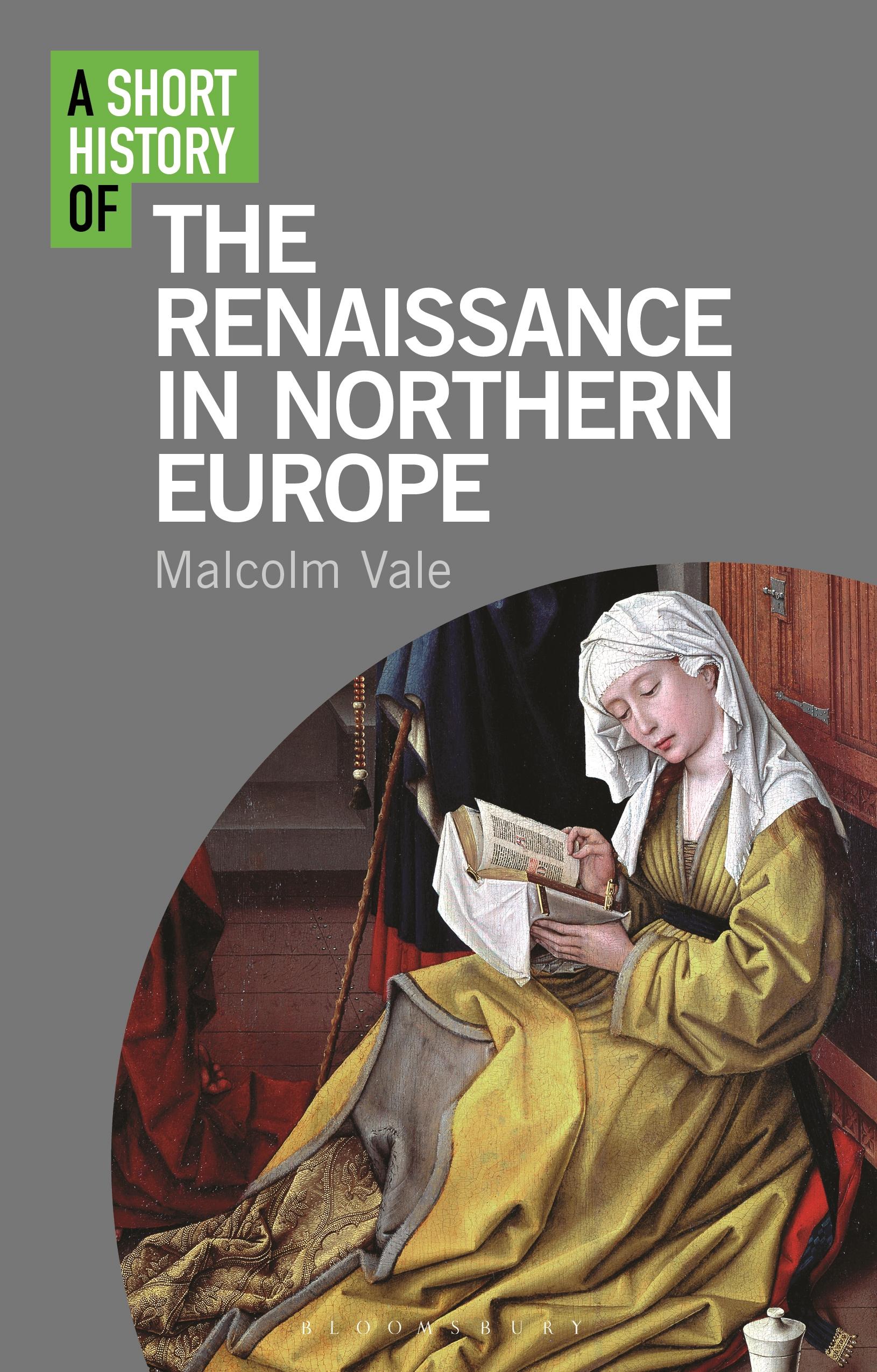
The concept of a Northern European 'Renaissance' in the arts, in thought, and in more general culture north of the Alps often evokes the idea of a cultural transplant which was not indigenous to, or rooted in, the society from which it emerged. Classic definitions of the European 'Renaissance' during the 14th, 15th and 16th centuries have often seen it as an Italian import of, for example, humanism and classical learning into the Gothic North.
There were certainly differences between North and South which have to be addressed, not least in the development of the visual arts. In this book, Malcolm Vale argues for a Northern Renaissance which, while cognisant of Italian developments, had a life of its own, expressed through such innovations as a rediscovery of pictorial space and representational realism, and which displayed strong continuities with the indigenous cultures of northern Europe. But it also contributed new movements and tendencies in thought, the visual arts, literature, religious beliefs and the dissemination of knowledge which often stemmed from, and built upon, those continuities. A Short History of the Renaissance in Northern Europe – while in no way ignoring or diminishing the importance of the Greek and Roman legacy – seeks other sources, and different uses of classical antiquity, for a rather different kind of 'Renaissance' in the North.
There were certainly differences between North and South which have to be addressed, not least in the development of the visual arts. In this book, Malcolm Vale argues for a Northern Renaissance which, while cognisant of Italian developments, had a life of its own, expressed through such innovations as a rediscovery of pictorial space and representational realism, and which displayed strong continuities with the indigenous cultures of northern Europe. But it also contributed new movements and tendencies in thought, the visual arts, literature, religious beliefs and the dissemination of knowledge which often stemmed from, and built upon, those continuities. A Short History of the Renaissance in Northern Europe – while in no way ignoring or diminishing the importance of the Greek and Roman legacy – seeks other sources, and different uses of classical antiquity, for a rather different kind of 'Renaissance' in the North.
Paga facilmente con carta, Klarna, Apple Pay o Google Pay. Non sei soddisfatto? Hai sempre 14 giorni per il rimborso. Leggi di più nei nostri termini. Per qualsiasi domanda, scrivici a hello@memmo.org.
Memmo rende lo studio più facile, ovunque tu sia nel mondo. Qui trovi i tuoi libri di testo e strumenti di studio intelligenti, tutto in un unico posto: riassunti, quiz, podcast e flashcard. E poi c'è Ted, il tuo compagno di studio che risponde a ogni tua domanda. Oltre 50.000 studenti studiano già qui: è stato creato per aiutarti a imparare più velocemente e a stressarti meno.