
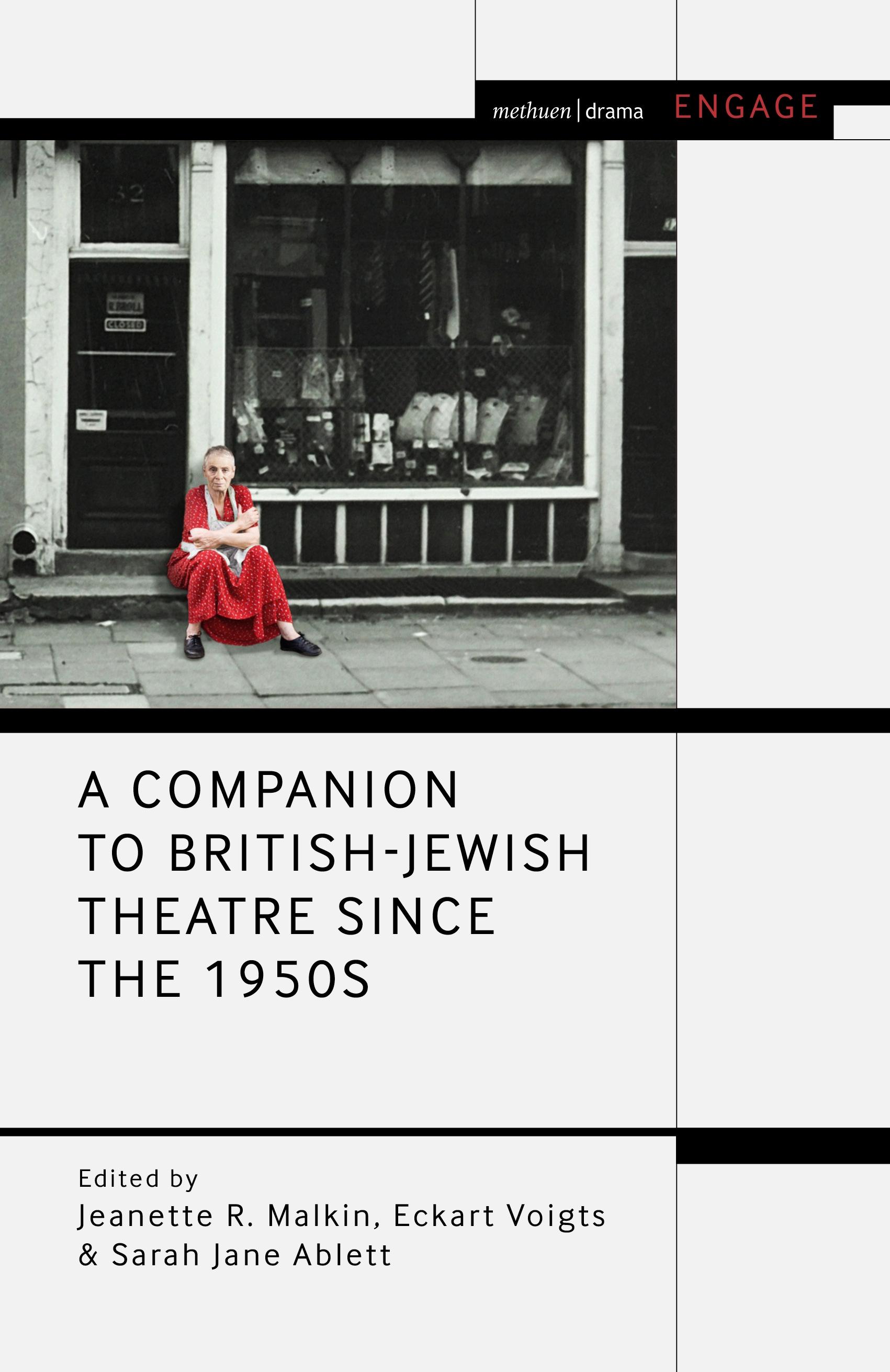
The first of its kind, this companion to British-Jewish theatre brings a neglected dimension in the work of many prominent British theatre-makers to the fore.
Its structure reflects the historical development of British-Jewish theatre from the 1950s onwards, beginning with an analysis of the first generation of writers that now forms the core of post-war British drama (including Tom Stoppard, Harold Pinter and Arnold Wesker) and moving on to significant thematic force-fields and faultlines such as the Holocaust, antisemitism and Israel/Palestine. The book also covers the new generation of British-Jewish playwrights, with a special emphasis on the contribution of women writers and the role of particular theatres in the development of British-Jewish theatre, as well as TV drama.
Included in the book are fascinating interviews with a set of significant theatre practitioners working today, including Ryan Craig, Patrick Marber, John Nathan, Julia Pascal and Nicholas Hytner. The companion addresses, not only aesthetic and ideological concerns, but also recent transformations with regard to institutional contexts and frameworks of cultural policies.
Its structure reflects the historical development of British-Jewish theatre from the 1950s onwards, beginning with an analysis of the first generation of writers that now forms the core of post-war British drama (including Tom Stoppard, Harold Pinter and Arnold Wesker) and moving on to significant thematic force-fields and faultlines such as the Holocaust, antisemitism and Israel/Palestine. The book also covers the new generation of British-Jewish playwrights, with a special emphasis on the contribution of women writers and the role of particular theatres in the development of British-Jewish theatre, as well as TV drama.
Included in the book are fascinating interviews with a set of significant theatre practitioners working today, including Ryan Craig, Patrick Marber, John Nathan, Julia Pascal and Nicholas Hytner. The companion addresses, not only aesthetic and ideological concerns, but also recent transformations with regard to institutional contexts and frameworks of cultural policies.
Paga facilmente con carta, Klarna, Apple Pay o Google Pay. Non sei soddisfatto? Hai sempre 14 giorni per il rimborso. Leggi di più nei nostri termini. Per qualsiasi domanda, scrivici a hello@memmo.org.
Memmo rende lo studio più facile, ovunque tu sia nel mondo. Qui trovi i tuoi libri di testo e strumenti di studio intelligenti, tutto in un unico posto: riassunti, quiz, podcast e flashcard. E poi c'è Ted, il tuo compagno di studio che risponde a ogni tua domanda. Oltre 50.000 studenti studiano già qui: è stato creato per aiutarti a imparare più velocemente e a stressarti meno.