
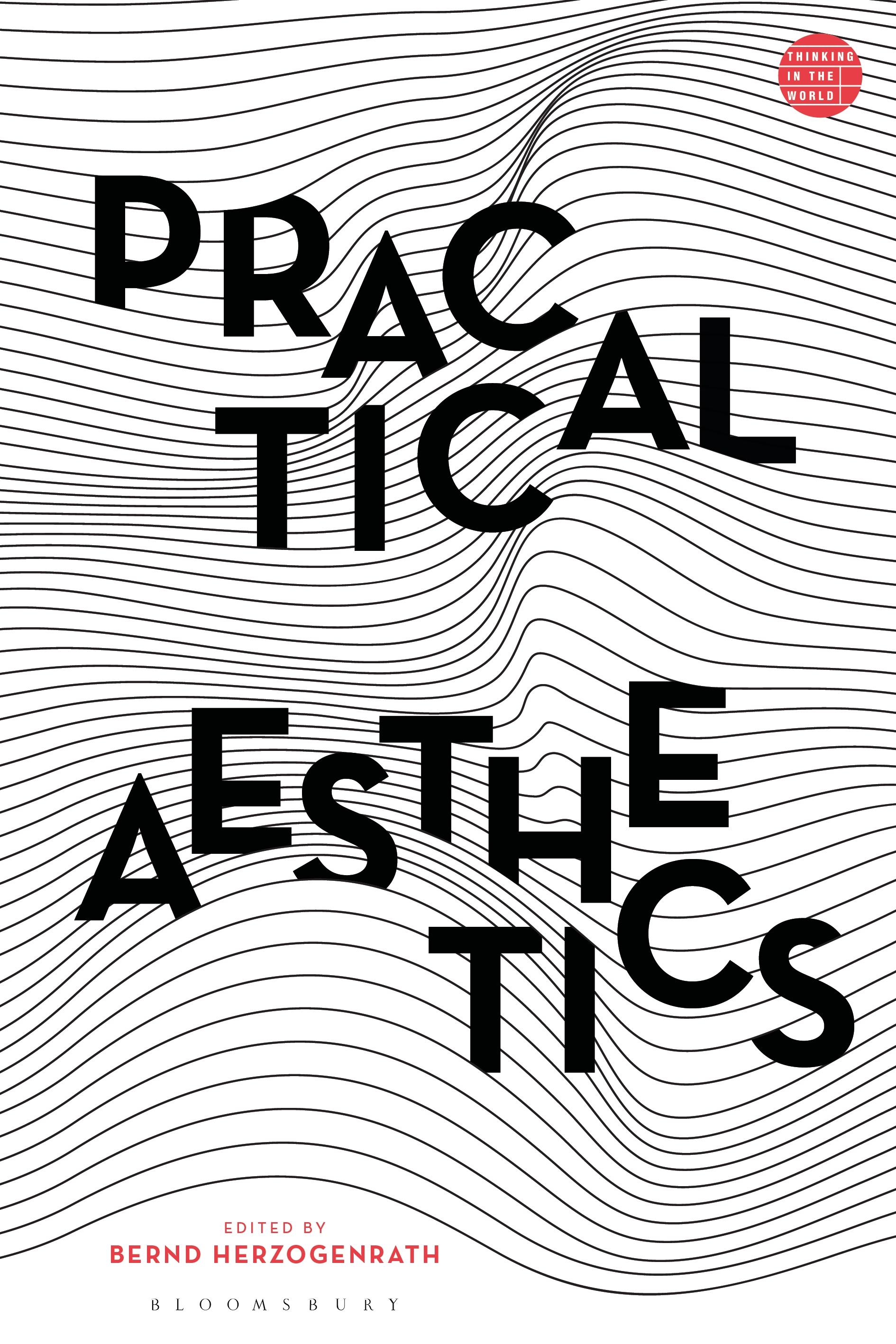
This collection brings together artists and theoreticians to provide the first anthology of a new field: Practical Aesthetics.
A work of art already contains its own criticism, a knowledge of its own which need not be conceptual or propositional. Yet today, there are many approaches to different forms of art that work on the brink between science and art, 'sensible cognition' and proposition, aesthetic knowledge and rational knowledge, while thinking with art (or the artistic material) rather than about it.
This volumes presents ways of thinking with different forms of art (film, sound, dance, literature, etc), as well as new forms of aesthetic research and presentation such as Media Philosophy, the audiovisual essay, fictocriticism, the audio paper, and Artistic Research. It reveals how writing about art can become 'artistic' or 'poetic' in its own right: not only writing about artistic effects, but producing them in the first place. This takes art not as an object of (external) analysis, but as a subject with a knowledge in its own right, creating a co-composing 'conceptual interference pattern' between theory and practice.
A 'practical aesthetics' thus understood, can be described as thinking with art, in order to find new ways to create worlds and thus to make the world perceivable in different ways.
A work of art already contains its own criticism, a knowledge of its own which need not be conceptual or propositional. Yet today, there are many approaches to different forms of art that work on the brink between science and art, 'sensible cognition' and proposition, aesthetic knowledge and rational knowledge, while thinking with art (or the artistic material) rather than about it.
This volumes presents ways of thinking with different forms of art (film, sound, dance, literature, etc), as well as new forms of aesthetic research and presentation such as Media Philosophy, the audiovisual essay, fictocriticism, the audio paper, and Artistic Research. It reveals how writing about art can become 'artistic' or 'poetic' in its own right: not only writing about artistic effects, but producing them in the first place. This takes art not as an object of (external) analysis, but as a subject with a knowledge in its own right, creating a co-composing 'conceptual interference pattern' between theory and practice.
A 'practical aesthetics' thus understood, can be described as thinking with art, in order to find new ways to create worlds and thus to make the world perceivable in different ways.
Paga facilmente con carta, Klarna, Apple Pay o Google Pay. Non sei soddisfatto? Hai sempre 14 giorni per il rimborso. Leggi di più nei nostri termini. Per qualsiasi domanda, scrivici a hello@memmo.org.
Memmo rende lo studio più facile, ovunque tu sia nel mondo. Qui trovi i tuoi libri di testo e strumenti di studio intelligenti, tutto in un unico posto: riassunti, quiz, podcast e flashcard. E poi c'è Ted, il tuo compagno di studio che risponde a ogni tua domanda. Oltre 50.000 studenti studiano già qui: è stato creato per aiutarti a imparare più velocemente e a stressarti meno.