
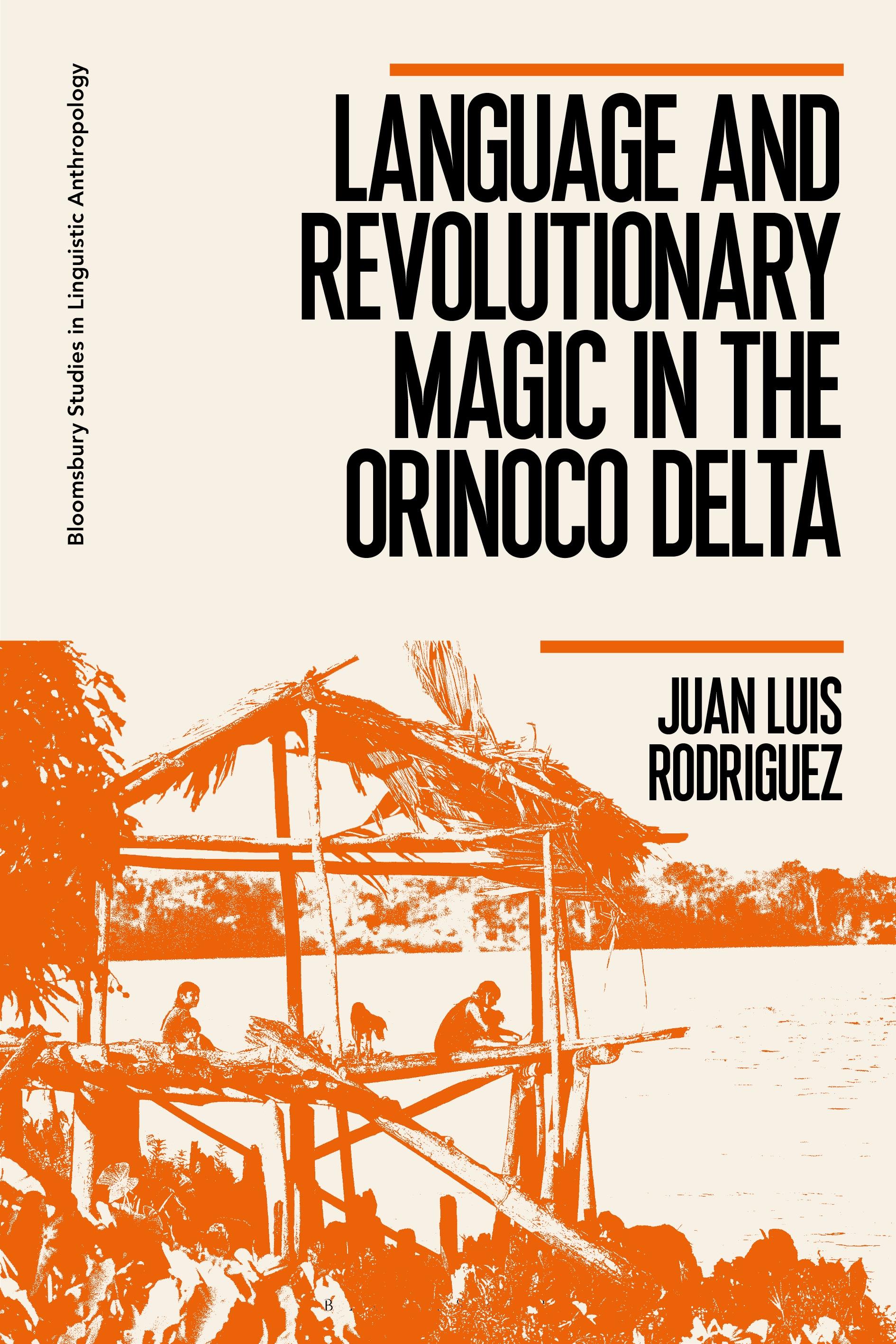
Winner of the 2021 New Voices Book Award by the Society for Linguistic Anthropology
Exploring the ways in which the development of linguistic practices helped expand national politics in remote, rural areas of Venezuela, Language and Revolutionary Magic in the Orinoco Delta situates language as a mediating force in the creation of the 'magical state'. Focusing on the Waraos speakers of the Orinoco Delta, this book explores center–periphery dynamics in Venezuela through an innovative linguistic anthropological lens.
Using a semiotic framework informed by concepts of 'transduction' and 'translation', this book combines ethnographic and historical evidence to analyze the ideological mediation and linguistic practices involved in managing a multi-ethnic citizenry in Venezuela. Juan Luis Rodriguez shows how indigenous populations participate in the formation and contestation of state power through daily practices and the use of different speech genres, emphasising the performative and semiotic work required to produce revolutionary subjects.
Establishing the centrality of language and semiosis in the constitution of authority and political power, this book moves away from seeing revolution in solely economic or ideological terms. Through the collision between Warao and Spanish, it highlights how language ideologies can exclude or integrate indigenous populations in the public sphere and how they were transformed by Hugo Chavez' revolutionary government to promote loyalty to the regime.
Exploring the ways in which the development of linguistic practices helped expand national politics in remote, rural areas of Venezuela, Language and Revolutionary Magic in the Orinoco Delta situates language as a mediating force in the creation of the 'magical state'. Focusing on the Waraos speakers of the Orinoco Delta, this book explores center–periphery dynamics in Venezuela through an innovative linguistic anthropological lens.
Using a semiotic framework informed by concepts of 'transduction' and 'translation', this book combines ethnographic and historical evidence to analyze the ideological mediation and linguistic practices involved in managing a multi-ethnic citizenry in Venezuela. Juan Luis Rodriguez shows how indigenous populations participate in the formation and contestation of state power through daily practices and the use of different speech genres, emphasising the performative and semiotic work required to produce revolutionary subjects.
Establishing the centrality of language and semiosis in the constitution of authority and political power, this book moves away from seeing revolution in solely economic or ideological terms. Through the collision between Warao and Spanish, it highlights how language ideologies can exclude or integrate indigenous populations in the public sphere and how they were transformed by Hugo Chavez' revolutionary government to promote loyalty to the regime.
Paga facilmente con carta, Klarna, Apple Pay o Google Pay. Non sei soddisfatto? Hai sempre 14 giorni per il rimborso. Leggi di più nei nostri termini. Per qualsiasi domanda, scrivici a hello@memmo.org.
Memmo rende lo studio più facile, ovunque tu sia nel mondo. Qui trovi i tuoi libri di testo e strumenti di studio intelligenti, tutto in un unico posto: riassunti, quiz, podcast e flashcard. E poi c'è Ted, il tuo compagno di studio che risponde a ogni tua domanda. Oltre 50.000 studenti studiano già qui: è stato creato per aiutarti a imparare più velocemente e a stressarti meno.