
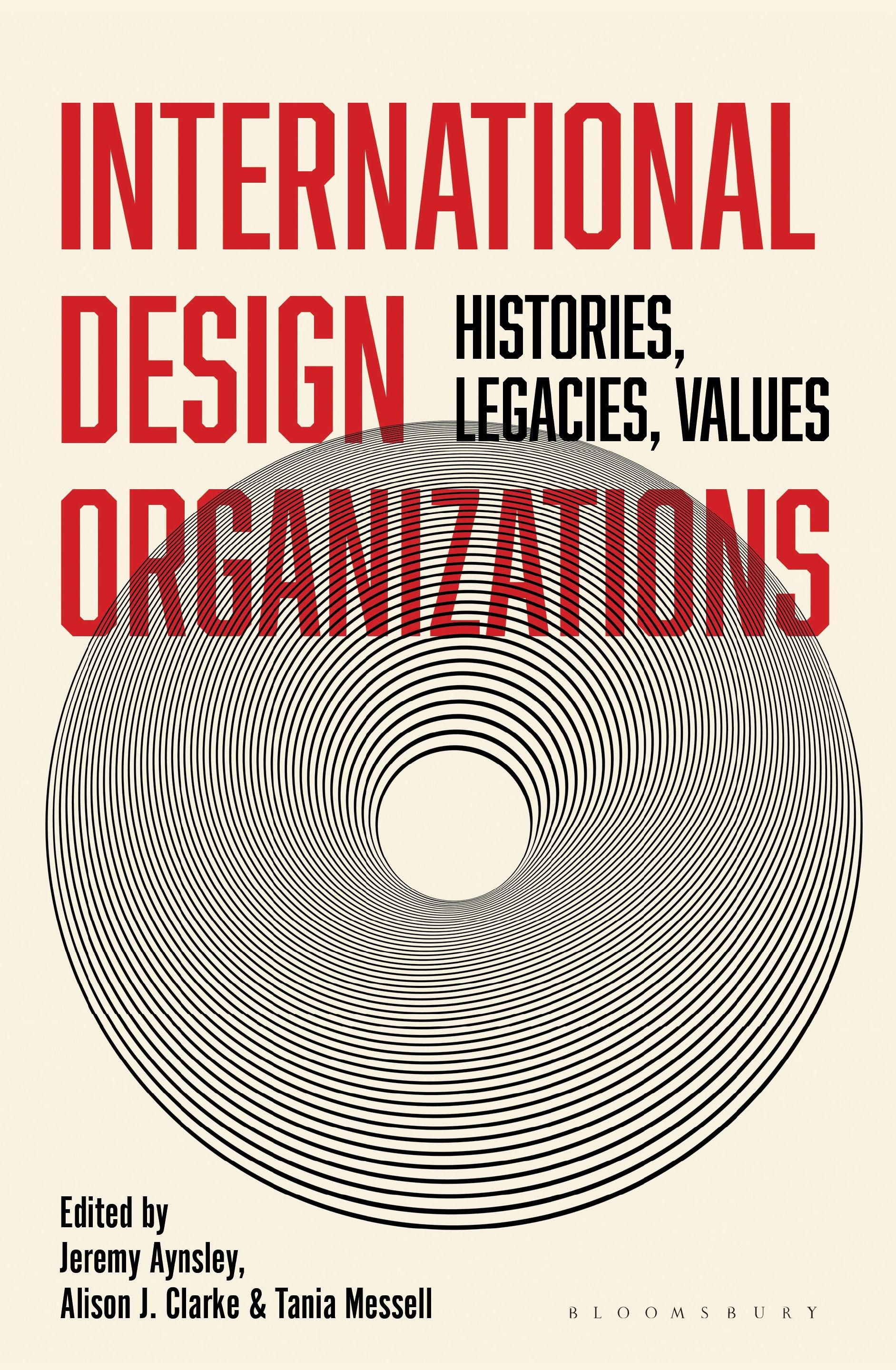
This innovative volume brings together international design scholars to address the history and present-day status of national and international design organizations, working across design disciplines and located in countries including Argentina, Turkey, Estonia, Switzerland, Italy, China and the USA.
In the second half of the 20th century, many non-governmental organizations were created to address urgent cultural, economic and welfare issues. Design organizations set out to create an international consensus for the future direction of design. This included enhancing communication between professionals, educators and practitioners, raising standards for design, and creating communities of designers across linguistic, national and political borders. Shared needs and agendas were identified and categories of design constantly defined and re-defined, often with overt cultural and political intents.
Drawing on an impressive range of original research, archival sources and oral testimony, this volume questions the aims and achievements of national and international design organizations in light of their subsequent histories and their global remits. The Cold War period is central to the book, while many chapters draw on post-colonial perspectives to interpret how transnational networks and negotiations took place at events and congresses, and through publication.
In the second half of the 20th century, many non-governmental organizations were created to address urgent cultural, economic and welfare issues. Design organizations set out to create an international consensus for the future direction of design. This included enhancing communication between professionals, educators and practitioners, raising standards for design, and creating communities of designers across linguistic, national and political borders. Shared needs and agendas were identified and categories of design constantly defined and re-defined, often with overt cultural and political intents.
Drawing on an impressive range of original research, archival sources and oral testimony, this volume questions the aims and achievements of national and international design organizations in light of their subsequent histories and their global remits. The Cold War period is central to the book, while many chapters draw on post-colonial perspectives to interpret how transnational networks and negotiations took place at events and congresses, and through publication.
Paga facilmente con carta, Klarna, Apple Pay o Google Pay. Non sei soddisfatto? Hai sempre 14 giorni per il rimborso. Leggi di più nei nostri termini. Per qualsiasi domanda, scrivici a hello@memmo.org.
Memmo rende lo studio più facile, ovunque tu sia nel mondo. Qui trovi i tuoi libri di testo e strumenti di studio intelligenti, tutto in un unico posto: riassunti, quiz, podcast e flashcard. E poi c'è Ted, il tuo compagno di studio che risponde a ogni tua domanda. Oltre 50.000 studenti studiano già qui: è stato creato per aiutarti a imparare più velocemente e a stressarti meno.