
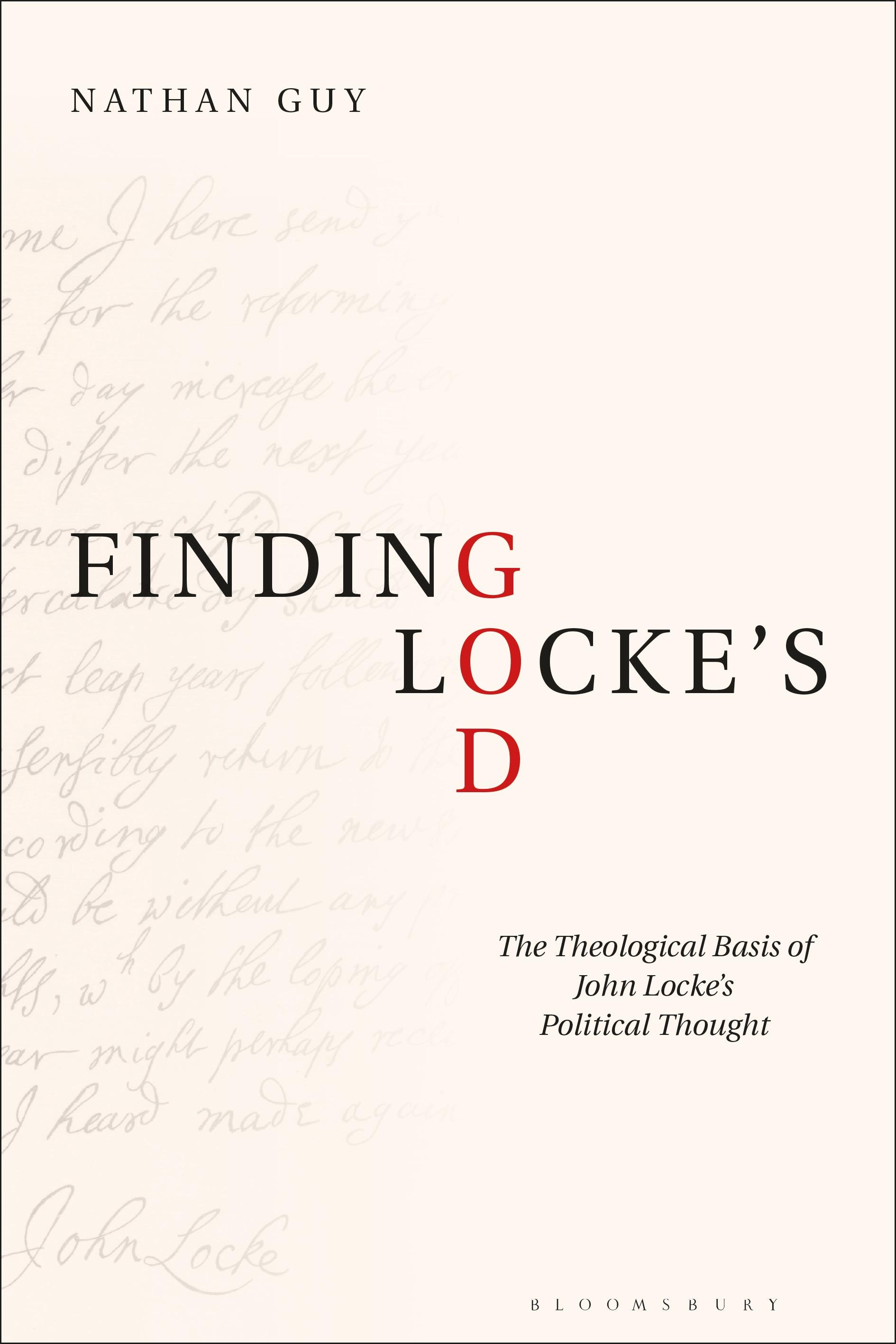
The portrait of John Locke as a secular advocate of Enlightenment rationality has been deconstructed by the recent 'religious turn' in Locke scholarship. This book takes an important next step: moving beyond the 'religious turn' and establishing a 'theological turn', Nathan Guy argues that John Locke ought to be viewed as a Christian political philosopher whose political theory was firmly rooted in the moderating Latitudinarian theology of the seventeenth-century.
Nestled between the secular political philosopher and the Christian public theologian stands Locke, the Christian political philosopher, whose arguments not only self-consciously depend upon Christian assumptions, but also offer a decidedly Christian theory of government. Finding Locke's God identifies three theological pillars crucial to Locke's political theory: (1) a biblical depiction of God, (2) the law of nature rooted in a doctrine of creation and (3) acceptance of divine revelation in scripture. As a result, Locke's political philosophy brings forth theologically-rich aims, while seeking to counter or disarm threats such as atheism, hyper-Calvinism, and religious enthusiasm.
Bringing these items together, Nathan Guy demonstrates how each pillar supports Locke's Latitudinarian political philosophy and provides a better understanding of how he grounds his notions of freedom, equality and religious toleration. Convincingly argued and meticulously researched, this book offers an exciting new direction for Locke studies.
Nestled between the secular political philosopher and the Christian public theologian stands Locke, the Christian political philosopher, whose arguments not only self-consciously depend upon Christian assumptions, but also offer a decidedly Christian theory of government. Finding Locke's God identifies three theological pillars crucial to Locke's political theory: (1) a biblical depiction of God, (2) the law of nature rooted in a doctrine of creation and (3) acceptance of divine revelation in scripture. As a result, Locke's political philosophy brings forth theologically-rich aims, while seeking to counter or disarm threats such as atheism, hyper-Calvinism, and religious enthusiasm.
Bringing these items together, Nathan Guy demonstrates how each pillar supports Locke's Latitudinarian political philosophy and provides a better understanding of how he grounds his notions of freedom, equality and religious toleration. Convincingly argued and meticulously researched, this book offers an exciting new direction for Locke studies.
Paga facilmente con carta, Klarna, Apple Pay o Google Pay. Non sei soddisfatto? Hai sempre 14 giorni per il rimborso. Leggi di più nei nostri termini. Per qualsiasi domanda, scrivici a hello@memmo.org.
Memmo rende lo studio più facile, ovunque tu sia nel mondo. Qui trovi i tuoi libri di testo e strumenti di studio intelligenti, tutto in un unico posto: riassunti, quiz, podcast e flashcard. E poi c'è Ted, il tuo compagno di studio che risponde a ogni tua domanda. Oltre 50.000 studenti studiano già qui: è stato creato per aiutarti a imparare più velocemente e a stressarti meno.