
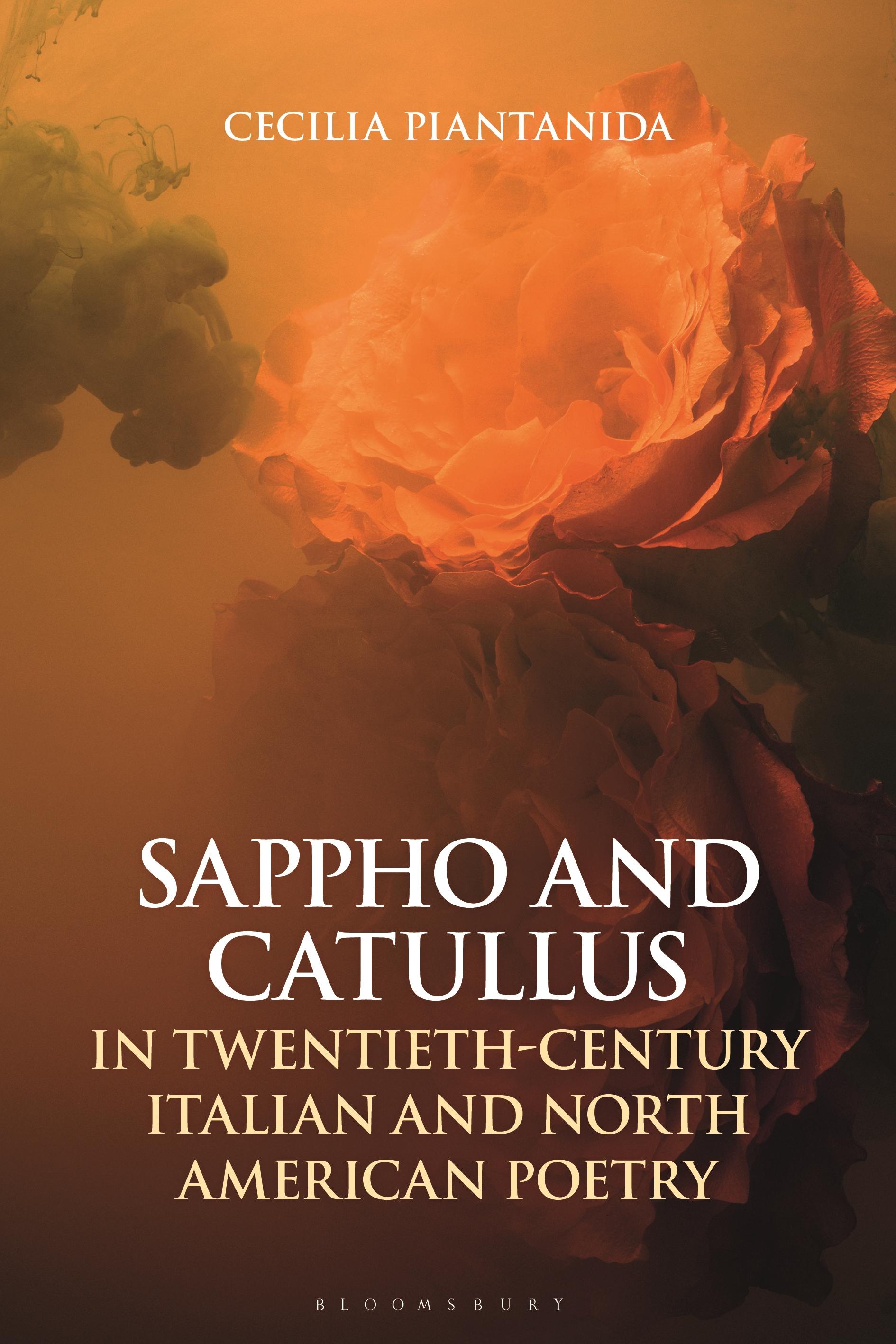
Going beyond exclusively national perspectives, this volume considers the reception of the ancient Greek poet Sappho and her first Latin translator, Catullus, as a literary pair who transmit poetic culture across the world from the early 20th century to the present. Sappho's and Catullus' reception has shaped a transnational network of poets and intellectuals, helping to define ideas of origins, gender, sexuality and national identities.
This book shows that across time and cultures translations and rewritings of Sappho and Catullus articulate modernist poetics of myth and fragmentation, forms of confessionalism and post-modern pastiche. The inquiry focuses on Italian and North American poetry as two central yet understudied hubs of Sappho's and Catullus' modern reception, also linked by a rich mutual intellectual exchange: key case-studies include Giovanni Pascoli, Ezra Pound, H.D., Salvatore Quasimodo, Robert Lowell, Rosita Copioli and Anne Carson, and cover a wide range of unpublished archival material. Texts are analysed and compared through reception and translation theories and inserted within the current debate on the Classics as World Literature, demonstrating how sustained transnational poetic discourse employs the ancient pair to expand notions of literary origins and redefine poetry's relationship to human existence.
This book shows that across time and cultures translations and rewritings of Sappho and Catullus articulate modernist poetics of myth and fragmentation, forms of confessionalism and post-modern pastiche. The inquiry focuses on Italian and North American poetry as two central yet understudied hubs of Sappho's and Catullus' modern reception, also linked by a rich mutual intellectual exchange: key case-studies include Giovanni Pascoli, Ezra Pound, H.D., Salvatore Quasimodo, Robert Lowell, Rosita Copioli and Anne Carson, and cover a wide range of unpublished archival material. Texts are analysed and compared through reception and translation theories and inserted within the current debate on the Classics as World Literature, demonstrating how sustained transnational poetic discourse employs the ancient pair to expand notions of literary origins and redefine poetry's relationship to human existence.
Paga facilmente con carta, Klarna, Apple Pay o Google Pay. Non sei soddisfatto? Hai sempre 14 giorni per il rimborso. Leggi di più nei nostri termini. Per qualsiasi domanda, scrivici a hello@memmo.org.
Memmo rende lo studio più facile, ovunque tu sia nel mondo. Qui trovi i tuoi libri di testo e strumenti di studio intelligenti, tutto in un unico posto: riassunti, quiz, podcast e flashcard. E poi c'è Ted, il tuo compagno di studio che risponde a ogni tua domanda. Oltre 50.000 studenti studiano già qui: è stato creato per aiutarti a imparare più velocemente e a stressarti meno.