
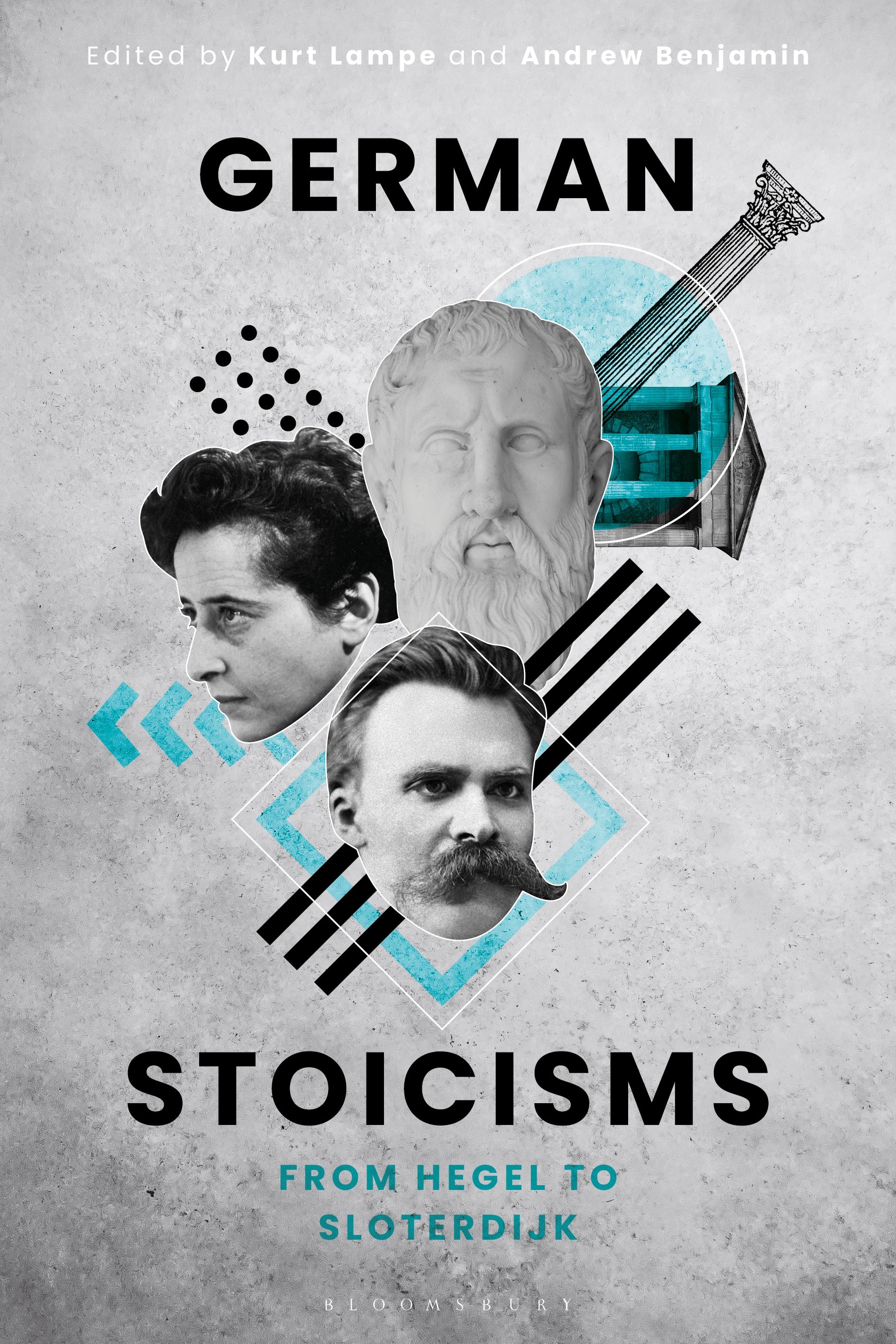
Stoicism has had a diverse reception in German philosophy. This is the first interpretive study of shared themes and dialogues between late nineteenth-century and twentieth-century experts on classical antiquity and philosophers. Assessing how modern philosophers have incorporated ancient resources with the context of German philosophy, chapters in this volume are devoted to philosophical giants such as Friedrich Nietzsche, Wilhelm Dilthey, Walter Benjamin, Martin Heidegger, Hannah Arendt, Hans Jonas, Hans Blumenberg, and Peter Sloterdijk. Among the ancient Stoics, the focus is on Seneca, Epictetus, and doxography, but reference will also be made to texts that have so far been neglected by non-specialists.
Often references to Stoic texts are playful, making it hard for non-specialists to reconstruct their understanding of the sources; by illuminating and enhancing the philosophical significance of these receptions, this book argues that they can change our understanding of Greek and Roman Stoic doctrines and authors, twentieth-century continental philosophy, and the themes which coordinate their ongoing dialogues. Some of these themes are surprising for Stoicism, such as the poetics of tragic drama and the anthropological foundations of hermeneutics. Others are already central to Stoic reception, such as the constitution of the subject in relation to various ethical, ecological, and metaphysical powers and processes; among these are contemplation and knowledge; identity and plurality; temporality, facticity, and fate; and personal, social, and planetary forms of self-cultivation and self-appropriation.
Addressing the need for a synoptic vision of related continental readings of Stoicism, this book brings ancient texts into new dialogues with up-to-date scholarship, facilitating increased understanding, critical evaluation, and creative innovation within the continental response to Stoicism.
Often references to Stoic texts are playful, making it hard for non-specialists to reconstruct their understanding of the sources; by illuminating and enhancing the philosophical significance of these receptions, this book argues that they can change our understanding of Greek and Roman Stoic doctrines and authors, twentieth-century continental philosophy, and the themes which coordinate their ongoing dialogues. Some of these themes are surprising for Stoicism, such as the poetics of tragic drama and the anthropological foundations of hermeneutics. Others are already central to Stoic reception, such as the constitution of the subject in relation to various ethical, ecological, and metaphysical powers and processes; among these are contemplation and knowledge; identity and plurality; temporality, facticity, and fate; and personal, social, and planetary forms of self-cultivation and self-appropriation.
Addressing the need for a synoptic vision of related continental readings of Stoicism, this book brings ancient texts into new dialogues with up-to-date scholarship, facilitating increased understanding, critical evaluation, and creative innovation within the continental response to Stoicism.
Paga facilmente con carta, Klarna, Apple Pay o Google Pay. Non sei soddisfatto? Hai sempre 14 giorni per il rimborso. Leggi di più nei nostri termini. Per qualsiasi domanda, scrivici a hello@memmo.org.
Memmo rende lo studio più facile, ovunque tu sia nel mondo. Qui trovi i tuoi libri di testo e strumenti di studio intelligenti, tutto in un unico posto: riassunti, quiz, podcast e flashcard. E poi c'è Ted, il tuo compagno di studio che risponde a ogni tua domanda. Oltre 50.000 studenti studiano già qui: è stato creato per aiutarti a imparare più velocemente e a stressarti meno.