
Winner of the Association for the Study of Food and Society's Best Edited Volume 2021
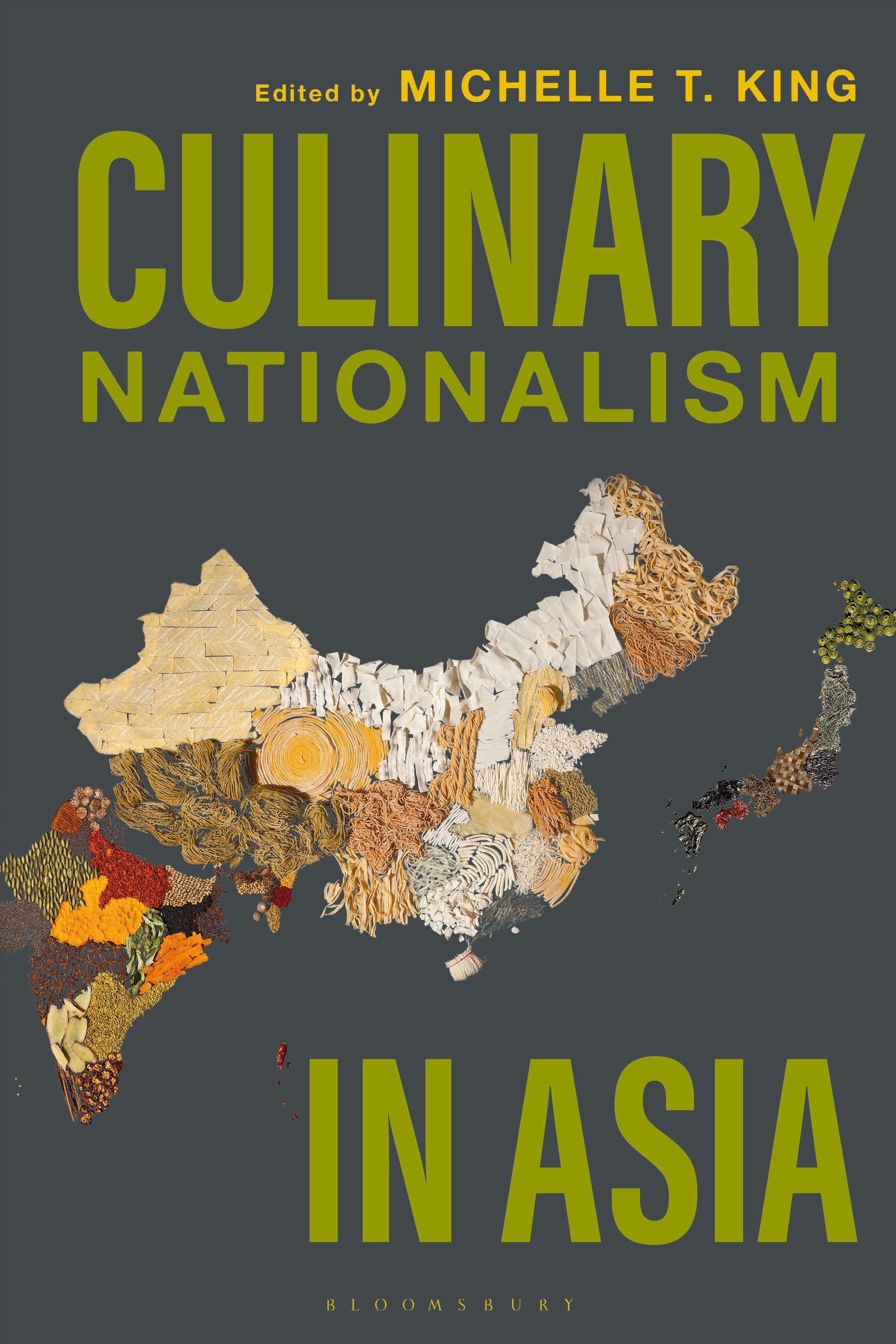
With culinary nationalism defined as a process in flux, as opposed to the limited concept of national cuisine, the contributors of this book call for explicit critical comparisons of cases of culinary nationalism among Asian regions, with the intention of recognizing patterns of modern culinary development. As a result, the formation of modern cuisine is revealed to be a process that takes place around the world, in different forms and periods, and not
exclusive to current Eurocentric models.
Key themes include the historical legacies of imperialism/colonialism, nationalism, the Cold War, and global capitalism in Asian cuisines; internal culinary boundaries between genders, ethnicities, social classes, religious groups, and perceived traditions/modernities; and global contexts of Asian cuisines as both nationalist and internationalist enterprises, and "Asia" itself as a vibrant culinary imaginary.
The book, which includes a foreword from Krishnendu Ray and an afterword from James L. Watson, sets out a fresh agenda for thinking about future food studies scholarship.
With culinary nationalism defined as a process in flux, as opposed to the limited concept of national cuisine, the contributors of this book call for explicit critical comparisons of cases of culinary nationalism among Asian regions, with the intention of recognizing patterns of modern culinary development. As a result, the formation of modern cuisine is revealed to be a process that takes place around the world, in different forms and periods, and not
exclusive to current Eurocentric models.
Key themes include the historical legacies of imperialism/colonialism, nationalism, the Cold War, and global capitalism in Asian cuisines; internal culinary boundaries between genders, ethnicities, social classes, religious groups, and perceived traditions/modernities; and global contexts of Asian cuisines as both nationalist and internationalist enterprises, and "Asia" itself as a vibrant culinary imaginary.
The book, which includes a foreword from Krishnendu Ray and an afterword from James L. Watson, sets out a fresh agenda for thinking about future food studies scholarship.
Paga facilmente con carta, Klarna, Apple Pay o Google Pay. Non sei soddisfatto? Hai sempre 14 giorni per il rimborso. Leggi di più nei nostri termini. Per qualsiasi domanda, scrivici a hello@memmo.org.
Memmo rende lo studio più facile, ovunque tu sia nel mondo. Qui trovi i tuoi libri di testo e strumenti di studio intelligenti, tutto in un unico posto: riassunti, quiz, podcast e flashcard. E poi c'è Ted, il tuo compagno di studio che risponde a ogni tua domanda. Oltre 50.000 studenti studiano già qui: è stato creato per aiutarti a imparare più velocemente e a stressarti meno.