
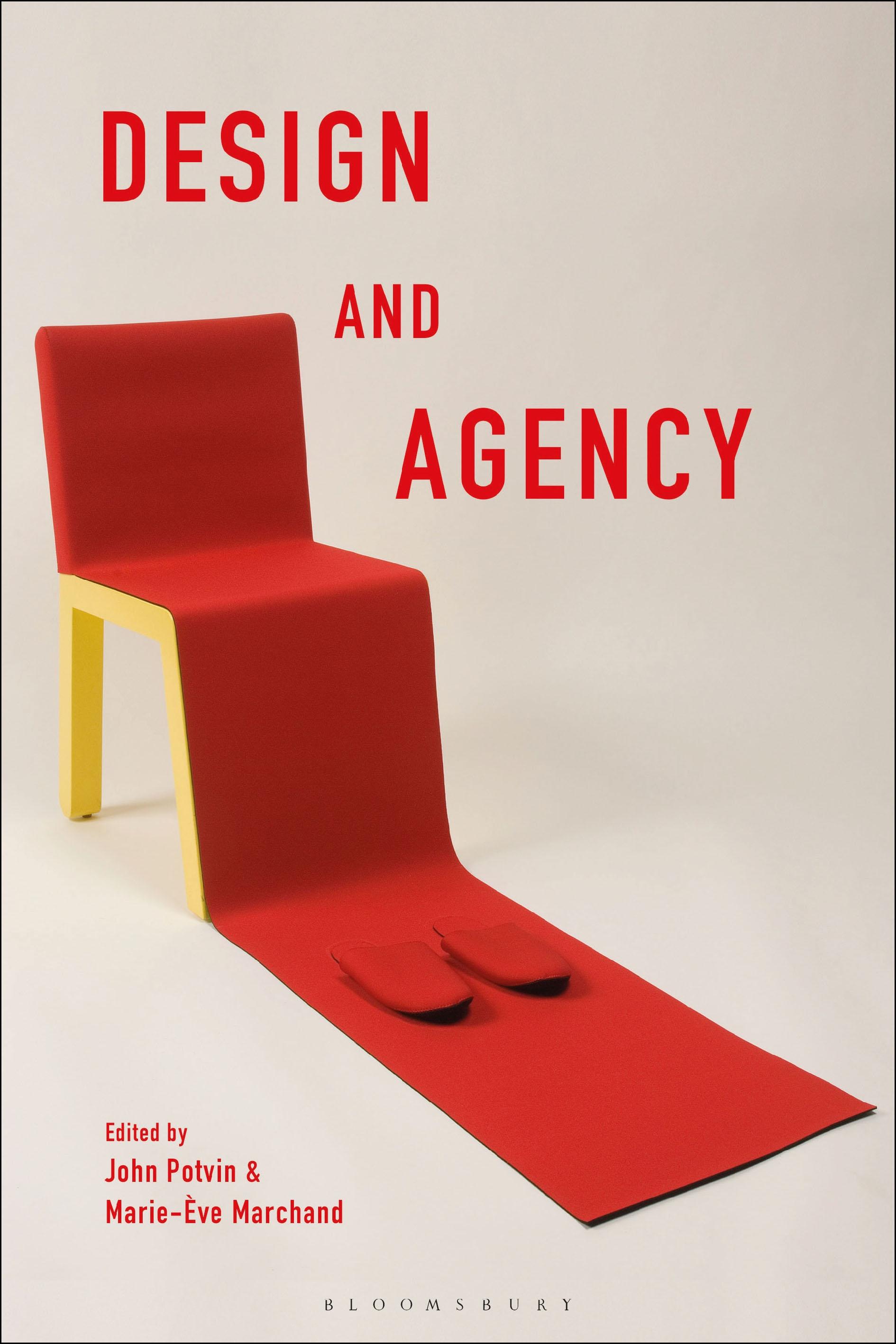
Design and Agency brings together leading international design scholars and practitioners to address the concept of agency in relation to objects, organisations and people. The authors set out to expand the scope of design history and practice, avoiding the heroic narratives of a typical modernist approach. They consider both how the agents of design construct and express their identities and subjectivities through practice, while also investigating the distinctive contribution of design in the construction of individual identity and subjectivity.
Individual chapters explore notions of agency in a range of design disciplines and historical periods, including the agency of women in effecting changes to the design of offices and working practices; the role of Jeffrey Lindsay and Buckminster Fuller in developing the design of a geodesic dome; Le Corbusier's 'Casa Curutchet'; a re-consideration of the gendered historiography of the 'Jugendstil' movement, and Bruce Mau's design exhibitions. Taken together, the essays in Design and Agency provide a much-needed response to the traditional texts which dominate design history. With a broad chronological span from 1900 to the present, and an equally broad understanding of the term 'design', it expands how we view the discipline, and shows how design itself can be an agent for social, cultural and economic change.
Individual chapters explore notions of agency in a range of design disciplines and historical periods, including the agency of women in effecting changes to the design of offices and working practices; the role of Jeffrey Lindsay and Buckminster Fuller in developing the design of a geodesic dome; Le Corbusier's 'Casa Curutchet'; a re-consideration of the gendered historiography of the 'Jugendstil' movement, and Bruce Mau's design exhibitions. Taken together, the essays in Design and Agency provide a much-needed response to the traditional texts which dominate design history. With a broad chronological span from 1900 to the present, and an equally broad understanding of the term 'design', it expands how we view the discipline, and shows how design itself can be an agent for social, cultural and economic change.
Paga facilmente con carta, Klarna, Apple Pay o Google Pay. Non sei soddisfatto? Hai sempre 14 giorni per il rimborso. Leggi di più nei nostri termini. Per qualsiasi domanda, scrivici a hello@memmo.org.
Memmo rende lo studio più facile, ovunque tu sia nel mondo. Qui trovi i tuoi libri di testo e strumenti di studio intelligenti, tutto in un unico posto: riassunti, quiz, podcast e flashcard. E poi c'è Ted, il tuo compagno di studio che risponde a ogni tua domanda. Oltre 50.000 studenti studiano già qui: è stato creato per aiutarti a imparare più velocemente e a stressarti meno.